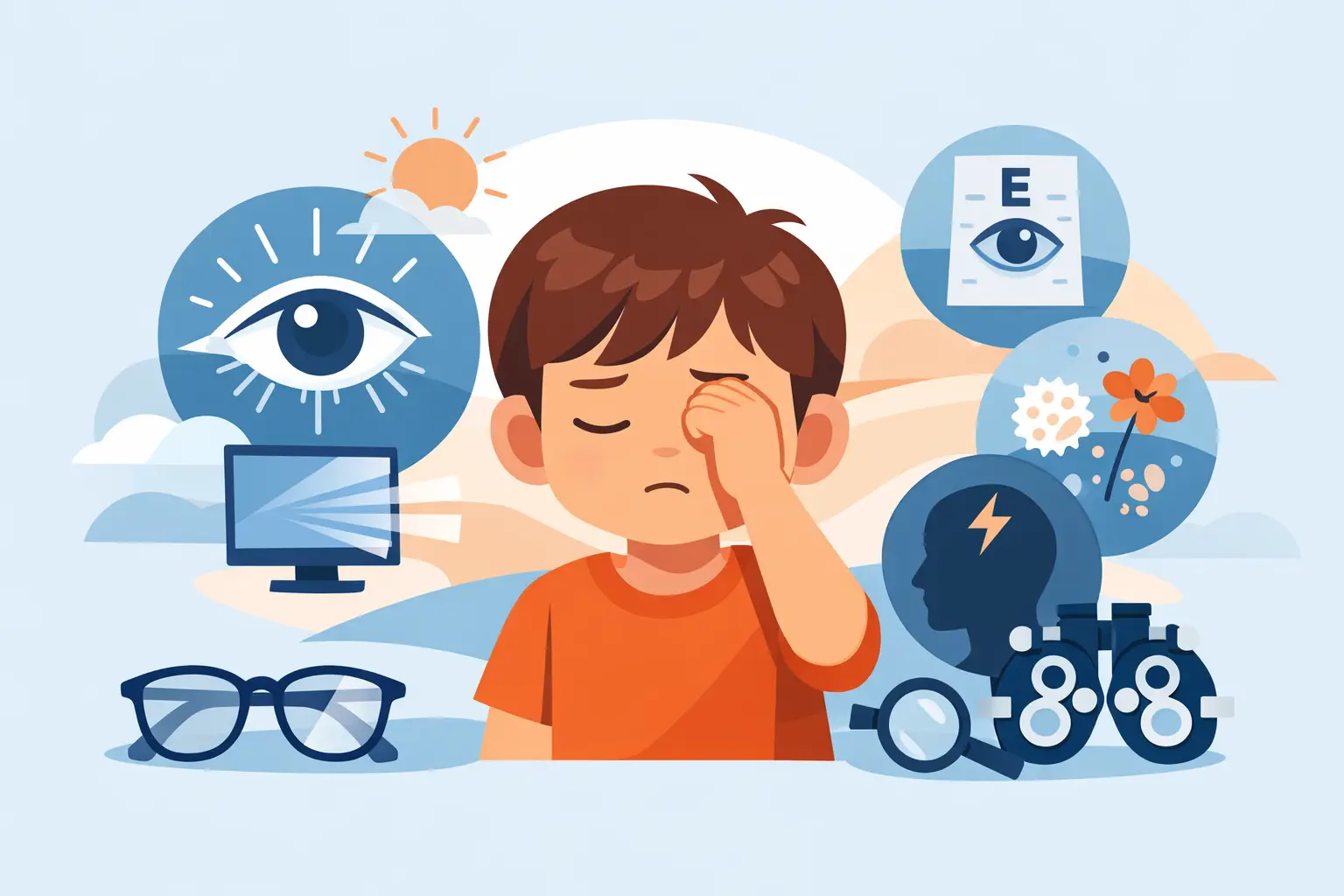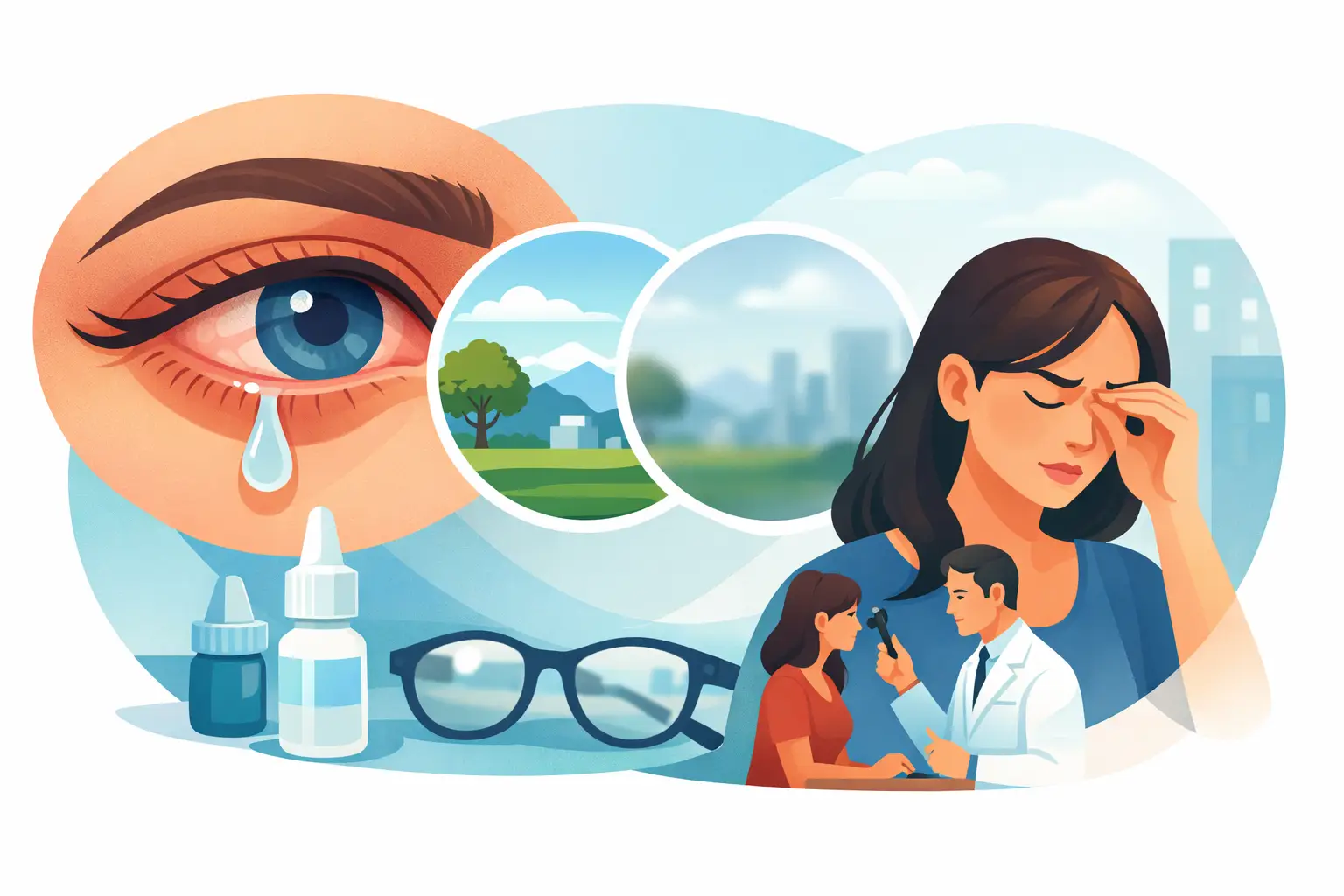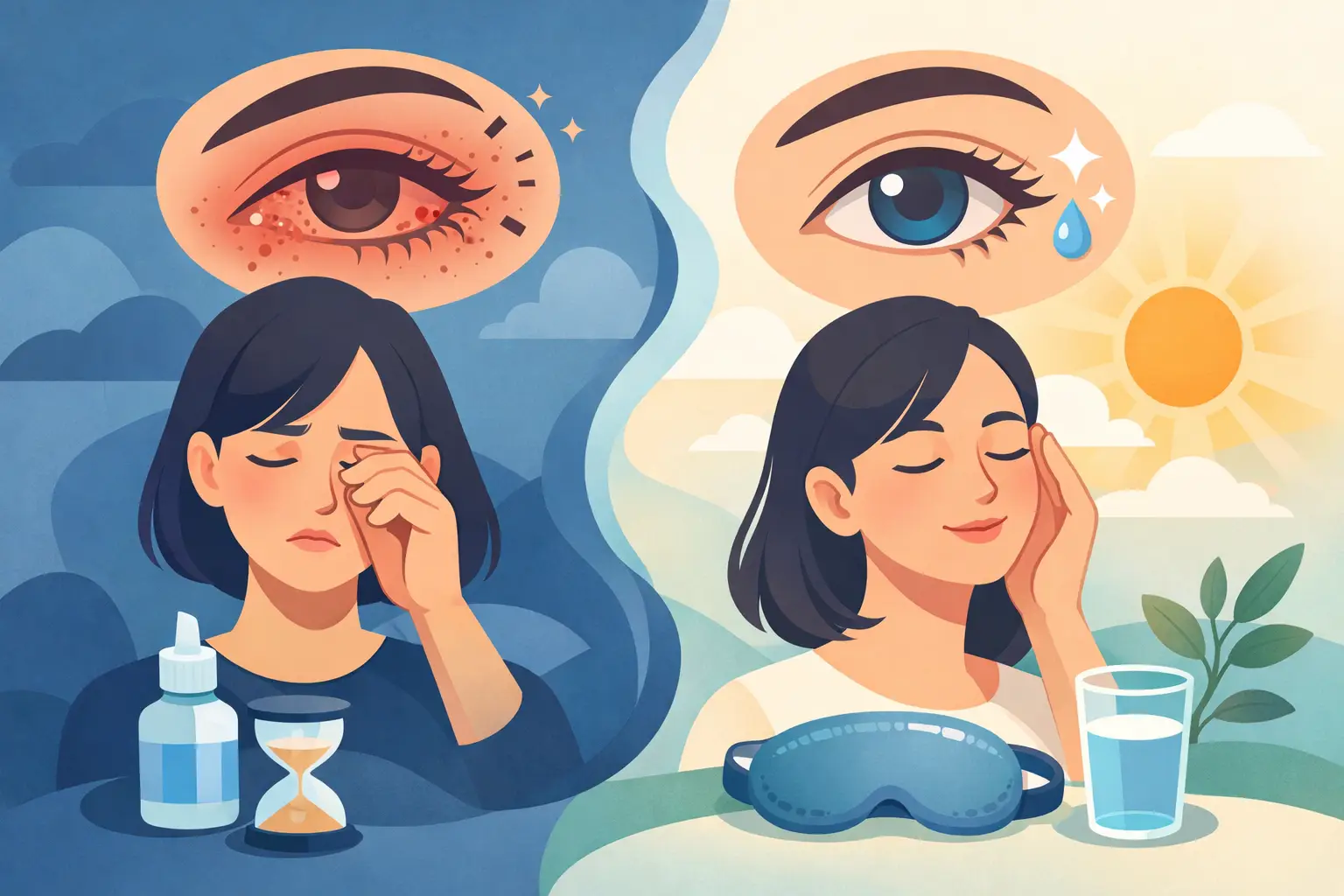
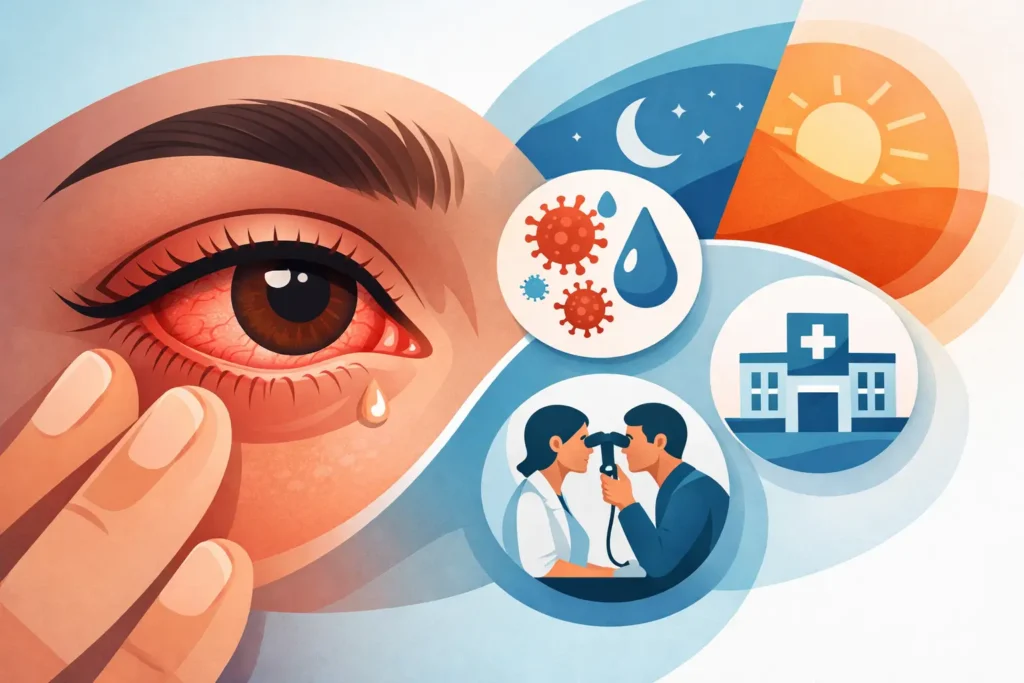
A red eye can show up after a long day at a screen, a restless night, or a morning when your contact lens simply does not feel right. Often, it is temporary and manageable. But because redness can also signal an infection, injury, or pressure problem inside the eye, it deserves more attention when it comes with pain, vision changes, or light sensitivity.
Understanding common red eye causes in adults can help you decide whether simple comfort measures make sense or whether it is time to arrange a prompt eye exam. The goal is not to diagnose your eye from home. It is to recognize the clues that tell you your eye needs professional care.
Why eyes turn red
The white part of the eye is covered by a thin, clear membrane called the conjunctiva. Tiny blood vessels in this tissue can become enlarged when the eye is dry, irritated, inflamed, or infected. That increased blood flow is what makes the eye look pink or red.
Redness is a symptom rather than a diagnosis. One eye may be affected, or both may look red. The pattern matters: an itchy, watery eye suggests something different than a red eye with thick discharge or sudden vision loss.
Common red eye causes in adults
Dry eye and everyday irritation
Dry eye is one of the most common reasons adults notice recurring redness. Tears do more than make the eyes feel comfortable. They protect the surface of the eye, help clear debris, and keep vision crisp. When the tear film is not stable, eyes may feel gritty, tired, burning, or watery while still being dry.
Screen time, dry indoor air, wind, smoke, seasonal changes, aging, certain medications, and hormonal shifts can all contribute. Contact lens wear can add to the irritation, especially if lenses are worn longer than recommended or are not being cared for properly.
Taking regular screen breaks, using preservative-free lubricating drops as recommended, and avoiding direct blasts from fans or car vents may help mild symptoms. If redness keeps returning, though, a dry eye assessment can identify whether the issue involves tear quantity, tear quality, eyelid inflammation, or another concern. The best treatment depends on the cause.
Allergies
Eye allergies often bring itching, tearing, puffiness, and redness in both eyes. Pollen, pet dander, dust, and mold are common triggers. Rubbing may feel tempting, but it can make redness and swelling worse.
A cool compress can be soothing. Allergy eye drops may also help, but it is wise to choose them with guidance from an eye care professional, particularly if you wear contacts or use other eye medications. Redness-relief drops that simply constrict blood vessels can make eyes look whiter for a short time without addressing the allergy itself.
Pink eye and other infections
Conjunctivitis, often called pink eye, can be caused by viruses, bacteria, allergies, or irritation. Viral conjunctivitis commonly begins in one eye and may spread to the other. It can cause watery discharge, redness, and a feeling that something is in the eye. Bacterial infections are more likely to cause thicker yellow or green discharge and eyelids that stick together, especially after sleeping.
Not every case of pink eye needs antibiotic drops. Viral infections do not improve with antibiotics, while bacterial infections may require treatment depending on the symptoms and exam findings. Because some forms are contagious, good hand hygiene matters. Avoid sharing towels, eye makeup, pillowcases, or contact lens cases until the cause is clear and symptoms have resolved.
If you wear contact lenses and develop a red eye, stop wearing the lenses until you have been evaluated. Contact lens-related infections can become serious quickly and should not be managed by waiting it out.
Blepharitis and eyelid concerns
Sometimes the redness begins at the eyelid margins rather than the eye itself. Blepharitis is inflammation around the eyelashes and oil glands of the eyelids. It can cause crusting, irritation, a burning sensation, recurring styes, and fluctuating redness.
Gentle eyelid hygiene may be part of care, but recurring symptoms are worth discussing during an eye exam. Eyelid inflammation is frequently connected to dry eye, and personalized treatment can be more effective than repeatedly switching drops at the pharmacy.
A broken blood vessel
A bright red patch on the white of the eye can look alarming, but a subconjunctival hemorrhage is usually painless and often harmless. It happens when a tiny surface blood vessel breaks, sometimes after coughing, sneezing, heavy lifting, vomiting, or rubbing the eye. It may also occur without an obvious reason.
The blood usually clears over one to two weeks, much like a bruise. Still, seek advice if this happens repeatedly, follows an eye injury, occurs with easy bruising elsewhere, or you take blood-thinning medication. A clinician may want to check for an underlying issue.
Contact lens problems
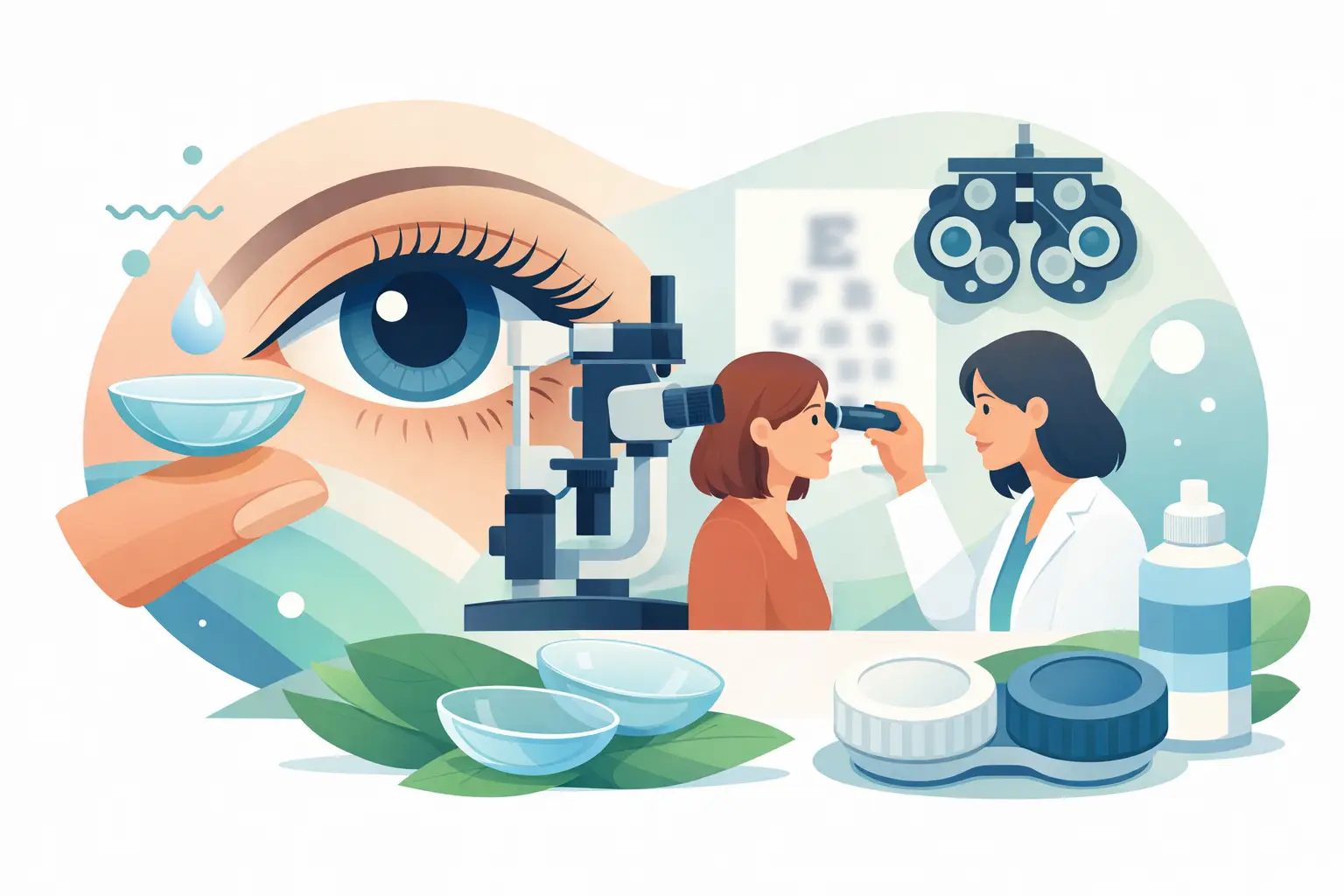
Redness in a contact lens wearer is never something to dismiss, particularly when there is pain, light sensitivity, discharge, or blurred vision. A lens may be too dry, damaged, overworn, contaminated, or poorly fitted. In more serious cases, the cornea can become inflamed or infected.
Remove the lenses and use glasses until you can be examined. Do not put lenses back in just because the redness seems a little better. Bring the lenses, case, and solution to your appointment if you are asked to do so, as they may provide useful clues.
Less common but urgent conditions
A red eye can occasionally be a sign of inflammation inside the eye, a corneal ulcer, shingles affecting the eye, or acute angle-closure glaucoma. These conditions require timely care to protect vision. They are less common than dryness or allergies, but their warning signs tend to be more intense.
When a red eye needs same-day attention
Mild redness without pain or vision changes may settle with rest and appropriate comfort care. However, do not wait for a routine appointment if you have significant pain, reduced or blurry vision, marked sensitivity to light, a severe headache with nausea, eye trauma, or a chemical splash.
Same-day care is also appropriate if you notice a new red eye while wearing contacts, thick discharge, swelling around the eye, a sensation of something stuck in the eye that does not improve, or symptoms that are getting worse rather than better. If there has been a chemical exposure, rinse the eye continuously with clean lukewarm water for at least 15 minutes and seek urgent medical help.
Children, older adults, and people with weakened immune systems may need a lower threshold for assessment. If you are uncertain, it is always reasonable to call an eye care clinic and describe your symptoms. A caring team can help guide your next step.
What to avoid while you wait
Avoid rubbing the eye, wearing contact lenses, or using someone else’s eye drops. Do not use leftover antibiotic drops from an old prescription. They may not match the problem, may be expired, and can delay proper treatment.
Be cautious with over-the-counter “get the red out” drops. Frequent use can lead to rebound redness, where the eye becomes redder once the medication wears off. Lubricating drops may be a better short-term option for simple dryness, but they are not a substitute for an exam when pain, discharge, or vision symptoms are present.
Eye makeup should also wait until the redness has resolved, especially if infection is possible. Replace eye makeup that may have been contaminated during an active infection.
A personalized eye exam can make the difference
Because so many conditions look similar at first glance, an eye exam is the clearest way to understand persistent or uncomfortable redness. Your optometrist can examine the eye surface, eyelids, tear film, cornea, contact lens fit, and internal eye health. That allows care to be based on what your eyes actually need, not just what makes them look less red for a few hours.
At 4 Eyes Optometry, urgent eye concerns are approached with the same calm, personal attention as routine care. Whether the answer is dry eye treatment, allergy guidance, a change in contact lens habits, or referral for additional medical care, you deserve clear answers and a plan that feels manageable.
If your red eye is painful, affecting your vision, or simply not improving, listen to that signal. A timely eye exam can bring comfort, reassurance, and the right care for protecting your sight.