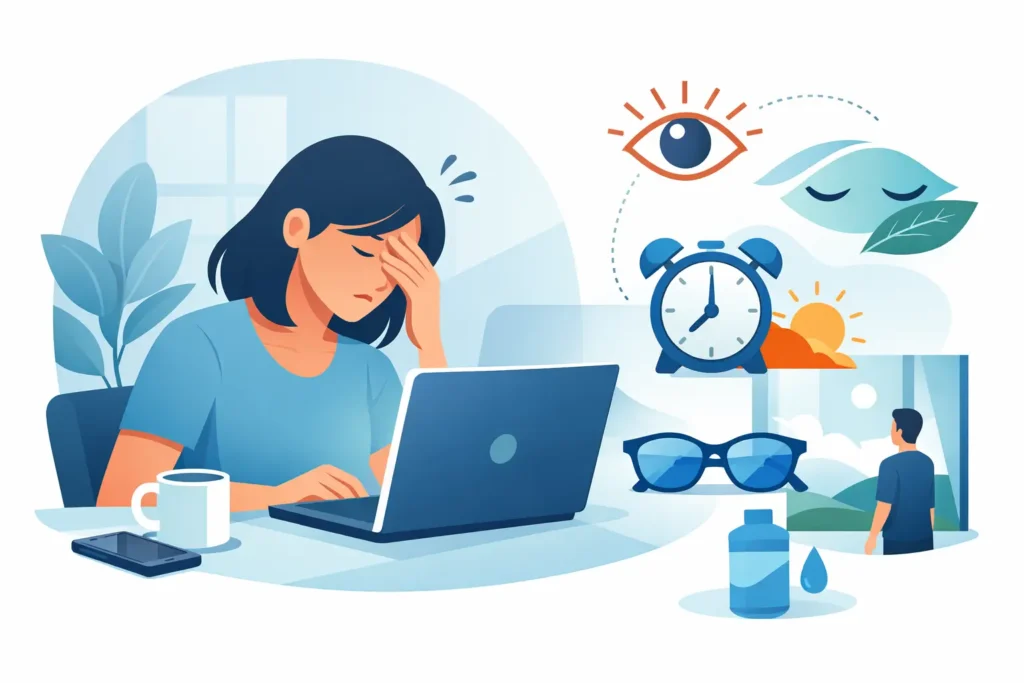
That end-of-day feeling of tired, burning, or blurry eyes is not something you simply have to accept as part of work, school, or keeping up with family life. Eye strain from screens is common, but it can make reading emails, driving home, helping with homework, or relaxing with a show feel far less comfortable than it should.
Screens themselves do not usually cause permanent damage to healthy eyes. Still, the way we use them can put real demands on our visual system. Long stretches of close focus, less frequent blinking, glare, poor lighting, and an outdated prescription can all contribute to symptoms. The encouraging news is that a few thoughtful changes, along with personalized eye care when needed, can make a meaningful difference.
Why Eye Strain From Screens Happens
When you look at a phone, computer, tablet, or gaming device, your eyes are working continuously at a close distance. The focusing system in your eyes has to stay engaged, often for hours at a time. Unlike reading a printed page, screens also introduce brightness, reflections, contrast changes, and small text that may encourage you to squint or lean closer.
Blinking is another major piece of the picture. People naturally blink less while concentrating on a screen. Each blink spreads a fresh layer of tears across the surface of the eye, so fewer blinks can leave the eyes dry, scratchy, watery, or irritated. It may seem strange to have watery eyes when they are dry, but excess tearing is often the eye’s response to irritation.
Eye strain can also be a sign that your eyes are working harder than they need to. Even a small change in prescription, astigmatism, difficulty coordinating the eyes at near distances, or early dry eye can become more noticeable during screen time. That is why a screen-related symptom is worth discussing at a comprehensive eye exam, especially if it persists despite simple adjustments.
Common Signs Your Eyes Need a Break
Digital eye strain does not feel exactly the same for everyone. You may notice sore or tired eyes, fluctuating blur, headaches around the forehead or temples, trouble refocusing after looking away from the screen, light sensitivity, or a heavy feeling in the eyelids. Some people feel a pulling sensation in the neck and shoulders because they have been leaning forward to see more clearly.
Children may not describe eye fatigue directly. Instead, they might avoid reading, rub their eyes, sit unusually close to a screen, lose their place easily, or become frustrated with schoolwork that requires sustained near focus. Seniors may find that dryness, glare, or changes in their prescription make screens more difficult than they once were.
Occasional tiredness after a long day is common. Frequent headaches, ongoing blur, double vision, pain, sudden changes in vision, flashes of light, or a new shower of floaters deserve more timely professional attention. An eye exam can help distinguish ordinary screen fatigue from a vision or eye health concern that needs treatment.
Start With a More Comfortable Screen Setup
The goal is not necessarily to eliminate screens. For most families and working adults, that is simply not realistic. A better goal is to create a setup that asks less of your eyes throughout the day.
Position your computer roughly an arm’s length away, with the top of the screen at or slightly below eye level. This lets you look slightly downward, which can be more comfortable and may reduce the amount of exposed eye surface. If you are constantly moving closer to read, enlarge the text rather than forcing your eyes to do extra work.
Match screen brightness to the room around you. A very bright screen in a dark room can feel harsh, while a dim screen in a bright room can lead to squinting. Reduce glare from windows, overhead lights, and shiny surfaces when possible. If reflections cannot be avoided, changing the angle of the screen or your chair may help more than adjusting the brightness alone.
Your phone deserves the same consideration. Holding it close to your face for long periods is demanding, particularly when you are tired. Increase the font size, use comfortable lighting, and give yourself permission to put the device down when your eyes begin to feel strained.
Build Small Breaks Into Your Day
One of the simplest strategies is the 20-20-20 habit: every 20 minutes, look about 20 feet away for at least 20 seconds. Looking across a room or out a window gives your focusing system a chance to relax. It is brief enough to fit into a busy workday, a study session, or a family evening.
During that pause, blink slowly and fully several times. Many people blink only partially when they are concentrating, which does not spread tears as effectively. A few complete blinks can provide welcome relief when dryness is part of the problem.
The best reminder is the one you will actually use. Some people set a quiet timer, while others pair their break with a natural transition, such as finishing a message, submitting a task, or waiting for a video to load. Consistency matters more than following the rule perfectly.
Dry Eye Can Make Screen Time Feel Worse
Screen use often brings dry eye symptoms to the surface, but dry eye is not always caused by screens alone. Tear quality can be affected by age, medications, contact lens wear, allergies, eyelid gland changes, indoor heating or air conditioning, and certain health conditions. If your eyes regularly sting, feel gritty, water excessively, or become blurry later in the day, it is worth getting a clear answer about what is driving the discomfort.
Over-the-counter lubricating drops may provide temporary relief for some people, but the right approach depends on the cause. Using redness-relief drops frequently is not the same as treating dryness, and some products can make the eyes feel worse over time. A dry eye evaluation can help identify whether lifestyle changes, targeted at-home care, prescription treatment, or in-office support may be appropriate.
Contact lens wearers may need a few additional adjustments. A lens that once felt comfortable can become less so if your tear film changes or your prescription is no longer current. Do not push through persistent discomfort just because you have worn contacts for years. There may be a more comfortable lens option or a treatable dry eye issue behind it.
Are Blue-Light Glasses Necessary?
Blue-light filtering glasses are often marketed as a solution for screen fatigue. Some people like them because they reduce the perceived brightness or feel more comfortable in certain environments. However, they are not a universal fix for eye strain, and there is limited evidence that blue-light filtering alone prevents digital eye strain.
The more reliable foundations are appropriate prescription correction, comfortable screen settings, reduced glare, regular visual breaks, and dry eye care when needed. If blue-light filtering is appealing, think of it as a personal comfort preference rather than the main treatment plan. Your optometrist can help you decide whether it makes sense alongside lenses designed for your work distance and daily routine.
When an Eye Exam Is the Next Best Step
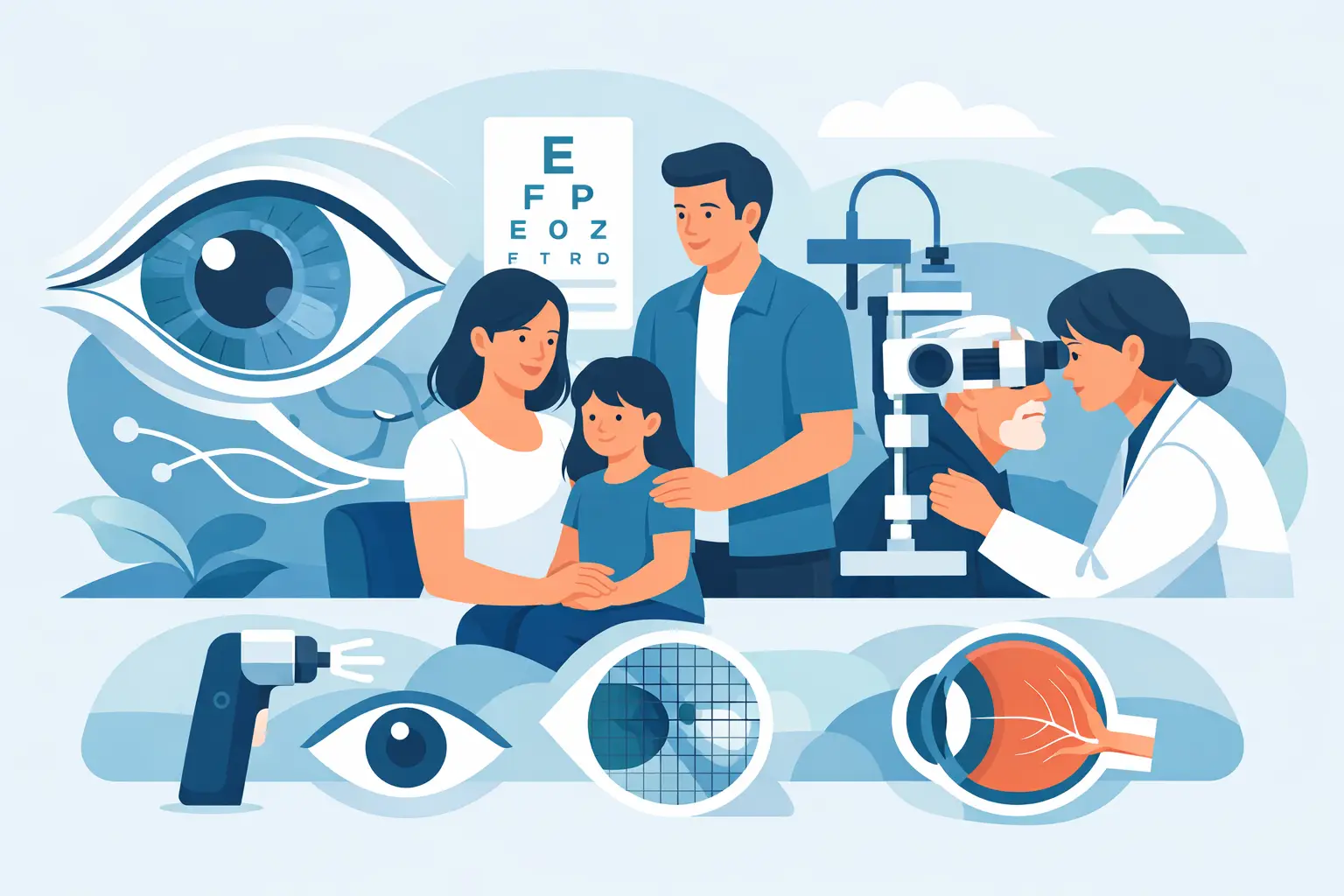
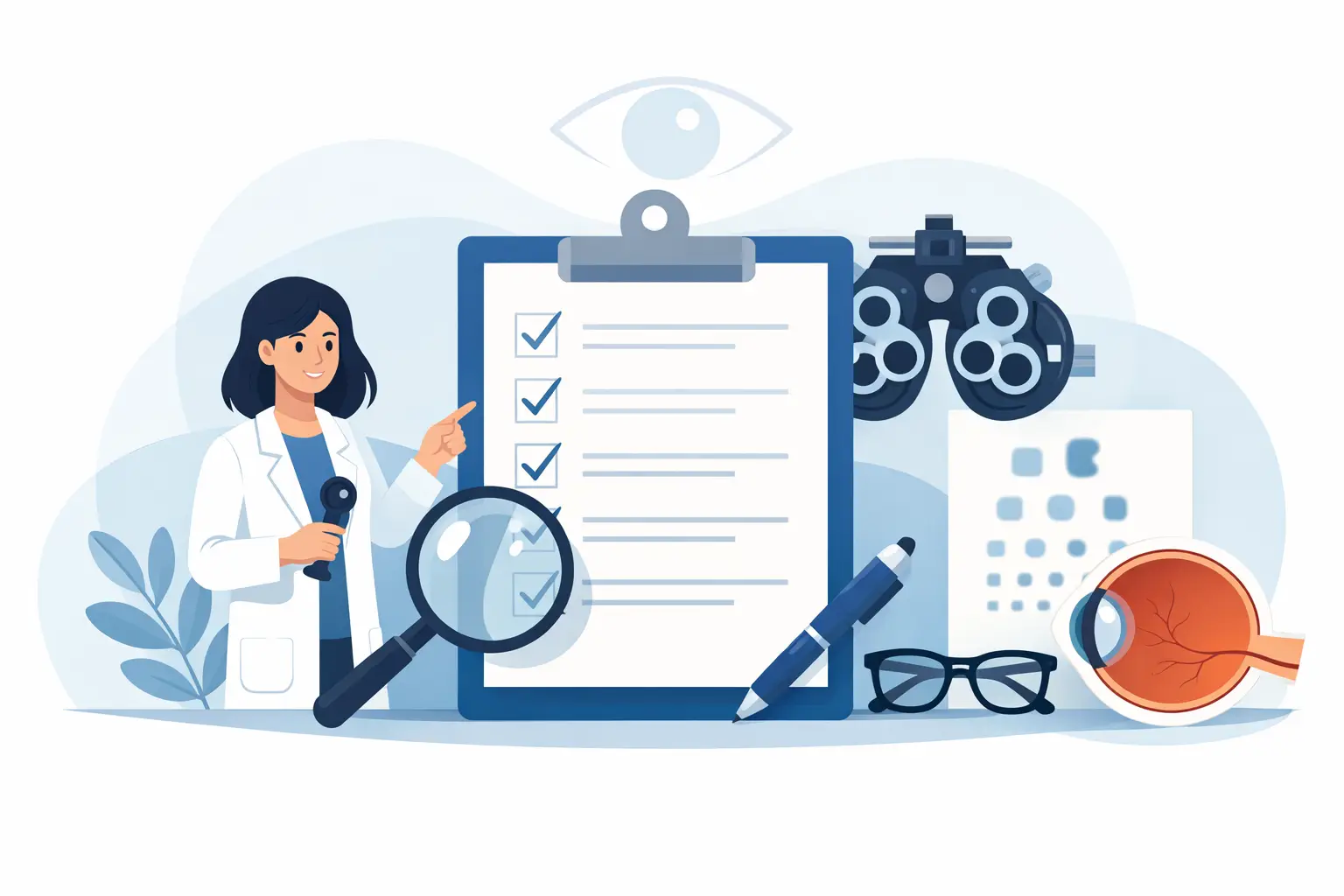
If screen discomfort keeps returning, an eye exam is about more than checking whether you need new glasses. It is an opportunity to look at your prescription, eye alignment, focusing ability, tear film, eyelid health, and the overall health of your eyes. These details matter because two people with the same symptom may need very different solutions.
For example, a remote worker who develops afternoon headaches may benefit from a small prescription adjustment or task-specific lenses. A student who loses their place while reading may need evaluation of how their eyes work together up close. A parent who assumes burning eyes are just from late-night scrolling may actually be dealing with dry eye that deserves focused care.
At 4 Eyes Optometry, the conversation can include how you use your eyes in real life: your work setup, hobbies, contact lens habits, driving needs, and the screens your family relies on every day. That context helps make recommendations feel practical, personal, and manageable.
You do not have to wait until your eyes are miserable to take action. Make one small change to your screen routine this week, notice what improves, and give your eyes the attentive care they deserve when symptoms keep getting in the way.