A school form says your child passed a vision check, but they still hold books close, lose their place while reading, or complain that their eyes feel tired. That is where the difference between an eye exam vs vision screening matters. A screening can be a helpful first look at vision, but it is not designed to give your family the complete picture of eye health.
For children, adults, and seniors alike, clear eyesight is only one part of healthy vision. A comprehensive exam looks beyond whether someone can read letters on a chart. It helps identify changes that may affect learning, work, driving, comfort, and long-term eye health – often before they become obvious day to day.
Why eye exam vs vision screening is easy to confuse
Both screenings and exams may include letters, numbers, pictures, or a question about whether something looks clear. Because the experience can seem similar, it is understandable that many people assume a passed screening means an eye exam is not needed.
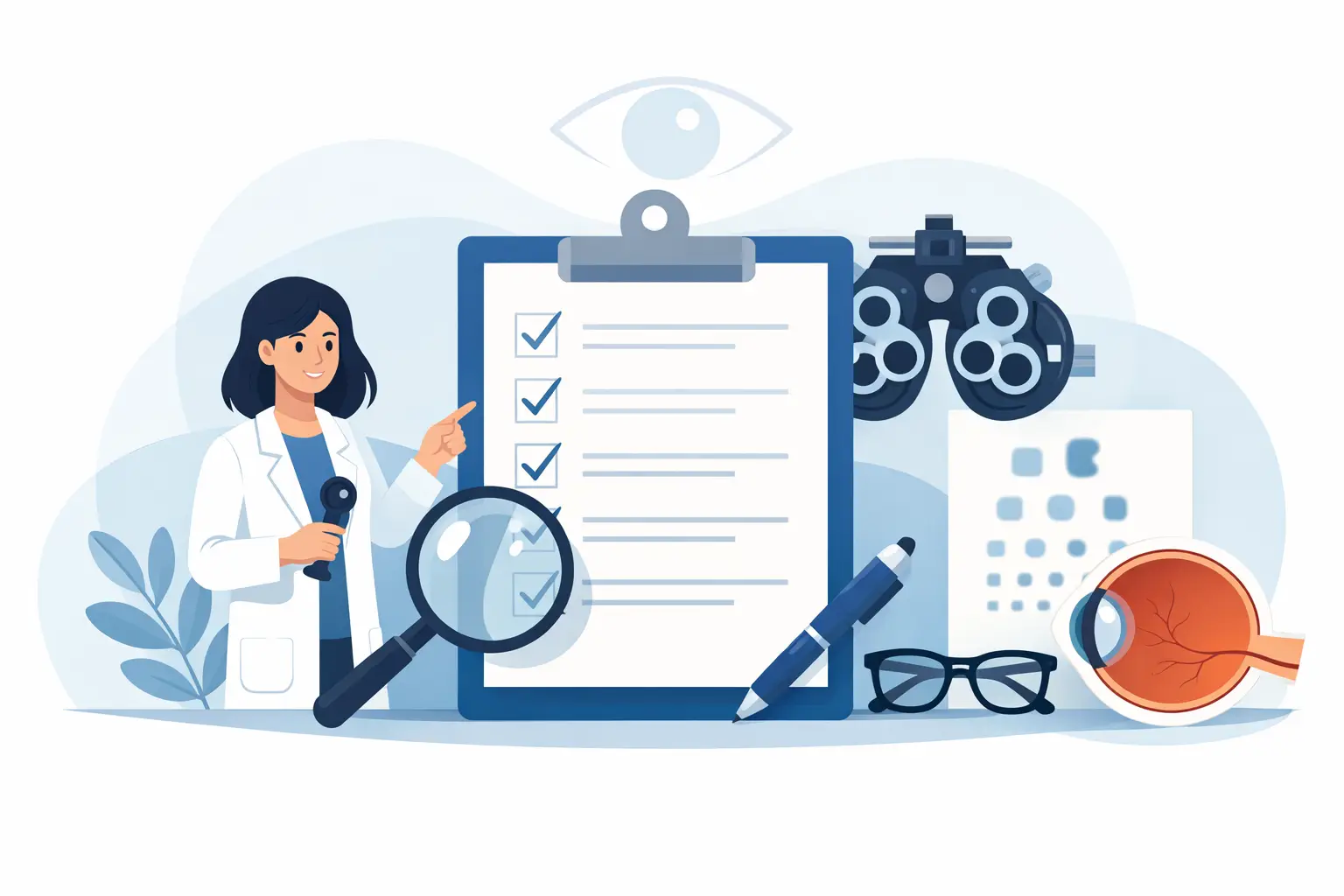
The key difference is purpose. Vision screening is a quick check intended to flag possible concerns. It usually asks whether a person can see at a certain distance or may test a limited number of skills. A comprehensive eye exam is a detailed assessment performed by an optometrist. It evaluates how your eyes see, work together, and stay healthy.
A screening result is not a diagnosis, a glasses prescription, or a guarantee that no eye condition is present. It is a useful prompt to seek a full exam when a concern appears. Even when a screening is passed, routine comprehensive care remains the best way to monitor changes over time.
What a vision screening can and cannot tell you
Vision screenings are often offered at schools, community events, pediatric offices, or workplaces. They are convenient and can identify people who may need further evaluation. That is valuable, particularly when a child has not had an eye exam before.
Most screenings focus on visual acuity – how clearly someone sees at a distance. Depending on the setting, they may also include a simple check for color vision, eye alignment, or depth perception. When a screening suggests a problem, it gives families a clear reason to schedule an exam.
However, screenings are limited by time, equipment, and the testing environment. They may not detect whether a child is working too hard to focus, whether the eyes are teaming comfortably, or whether there is a subtle prescription that affects reading and concentration. A person can see the eye chart well and still experience headaches, fluctuating vision, double vision, dry eyes, or difficulty with close work.
Screenings also do not provide a thorough evaluation of the internal and external health of the eyes. Many eye conditions have few noticeable symptoms in their early stages. That is one reason a quick pass is reassuring, but it should not replace ongoing eye care.
What happens during a comprehensive eye exam?
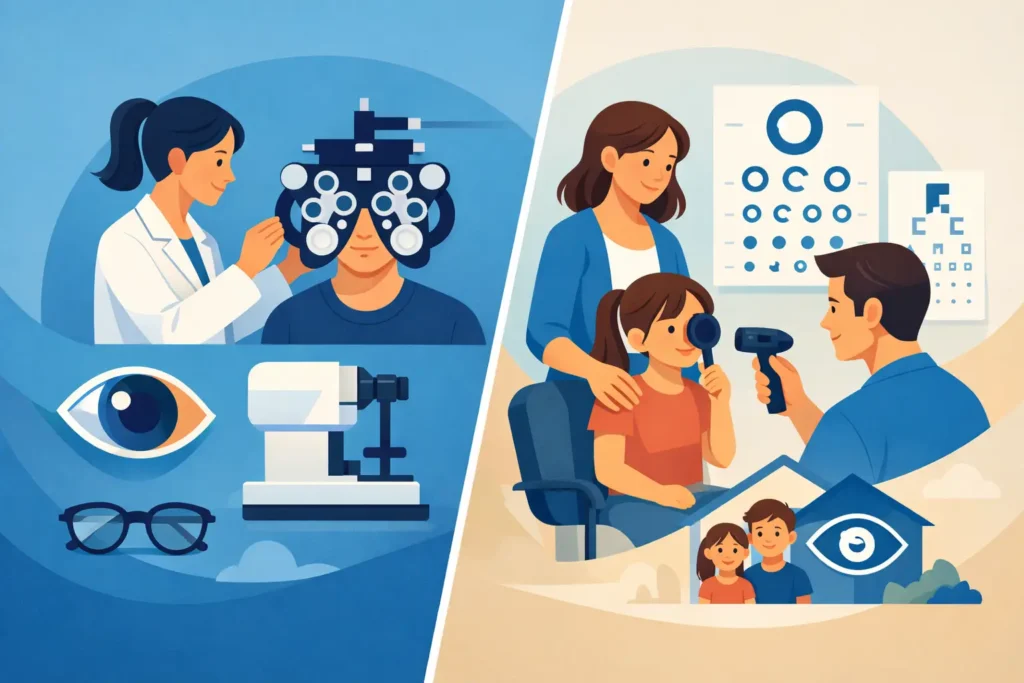
A comprehensive eye exam is tailored to the person in the exam chair. Your optometrist begins with a conversation about vision changes, daily activities, health history, medications, and any symptoms you have noticed. For a child, that may include questions about school, reading, screen time, and whether teachers have observed squinting or attention concerns.
The exam typically measures your prescription and evaluates how well your eyes focus and move together. Your optometrist may assess depth perception, peripheral vision, pupil responses, and eye coordination. These details help explain not only what you can see, but how comfortably and efficiently your visual system is functioning.
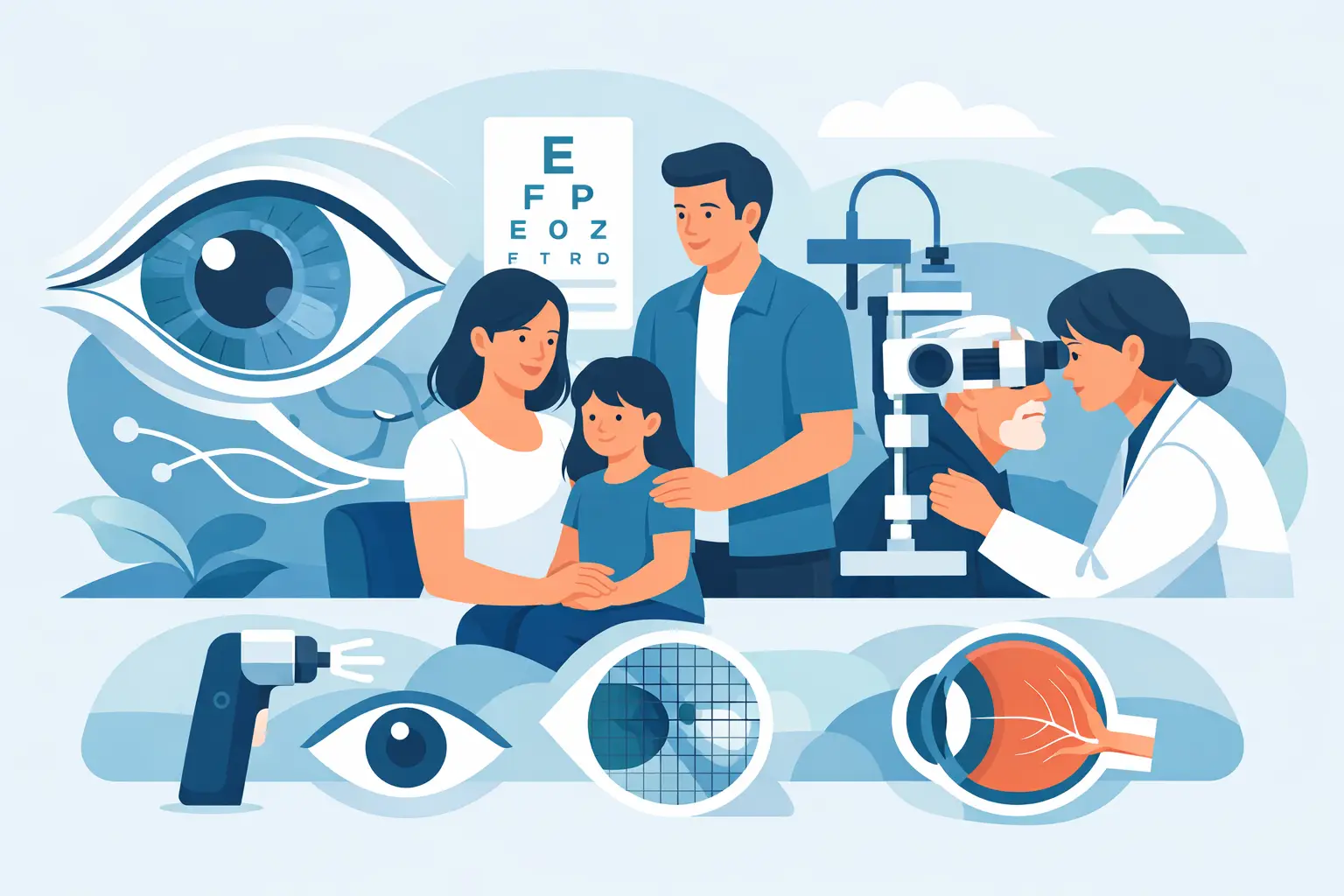
Eye health is another essential part of the visit. Using specialized instruments, the optometrist examines the front of the eye, the retina, the optic nerve, and other structures that cannot be evaluated with a basic screening. This can help detect or monitor concerns such as cataracts, glaucoma, macular degeneration, diabetic eye changes, dry eye disease, and retinal issues.
Not every exam follows an identical script. A young child, a contact lens wearer, a patient with diabetes, and a senior managing new floaters all need different levels of attention. That personalization is a meaningful benefit of comprehensive care. You should leave knowing what was found, what it means for your daily life, and what next step makes sense.
For children, clear vision supports more than the classroom
Children do not always know how to describe a vision problem. They may assume everyone sees words move on a page, has sore eyes after reading, or struggles to copy from the board. Some children compensate so well that a brief screening does not raise a concern.
A complete pediatric eye exam can assess visual skills that matter for learning, play, and confidence. It can identify nearsightedness, farsightedness, astigmatism, eye alignment concerns, focusing problems, and differences in vision between the two eyes. Early detection is especially helpful because children’s visual systems are still developing.
Consider scheduling a comprehensive exam if your child squints, sits very close to screens, rubs their eyes often, avoids reading, frequently loses their place, or complains of headaches. These signs do not always mean an eye problem is present, but they are worth discussing. A calm, child-friendly visit can replace uncertainty with clear guidance.
A school screening remains worthwhile. Think of it as a safety net, not the whole plan. Regular eye exams provide the deeper, relationship-based care that helps your child’s vision needs be understood as they grow.
Adults and seniors need more than a prescription update
Adults often put off eye care because they can still see well enough to get through the day. But gradual changes are easy to miss. You might need brighter light to read a menu, feel more eye strain after computer work, or notice that driving at night has become less comfortable. A comprehensive exam can sort out whether glasses, contact lens updates, dry eye treatment, or another approach may help.
For seniors, routine exams are equally important even when vision feels stable. Age-related changes can develop quietly, and health conditions such as diabetes or high blood pressure can affect the eyes. Monitoring eye health regularly gives your optometrist a baseline and makes it easier to notice meaningful changes early.
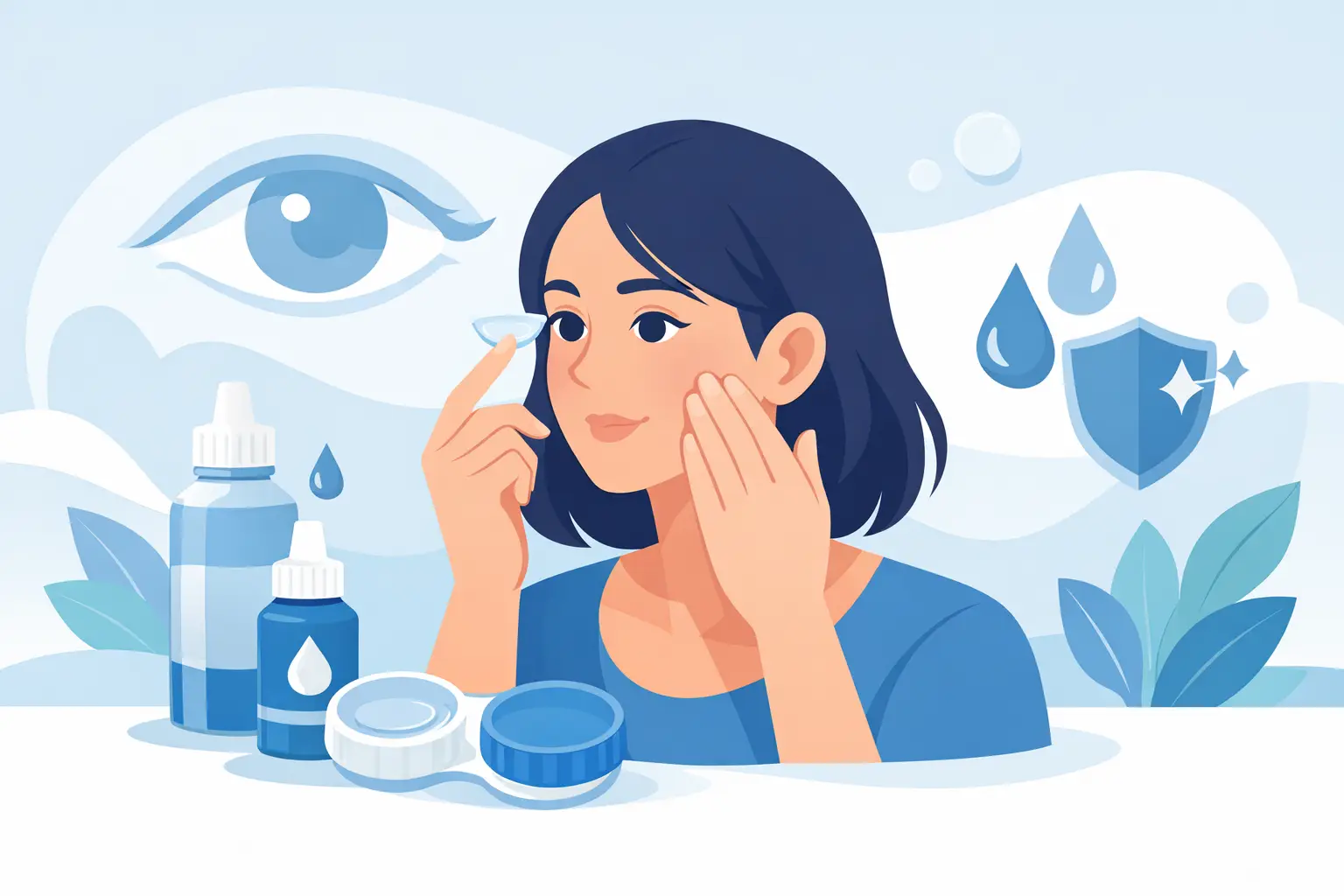
If you wear contact lenses, a screening is especially insufficient. Contact lenses sit directly on the eye, so a full evaluation helps confirm that the lenses fit well, support comfortable vision, and are not contributing to dryness or irritation.
When to book an exam instead of relying on a screening
A screening is not the right next step when you have a specific concern. Book a comprehensive eye exam if vision has changed, your eyes feel persistently dry or uncomfortable, or you are due for routine care. You should also seek prompt medical eye care for sudden flashes, a new shower of floaters, a curtain-like shadow, sudden vision loss, significant pain, redness with light sensitivity, or an eye injury.
In those situations, waiting for the next school, workplace, or community screening can delay needed care. Calling an optometry clinic allows the team to guide you toward the appropriate appointment and timing.
For families in West Kelowna, 4 Eyes Optometry offers comprehensive care in a welcoming setting where questions are encouraged. Whether the visit is for a child’s first exam, an updated prescription, dry eye symptoms, or ongoing monitoring, the goal is the same: care that feels personal, thorough, and reassuring.
Make eye care part of your family’s routine
The best schedule depends on age, health history, current vision, and your optometrist’s recommendations. Children often benefit from exams before starting school and at regular intervals afterward. Adults with healthy eyes may have longer intervals between visits, while people with eye conditions, diabetes, strong prescriptions, contact lenses, or new symptoms may need more frequent care.
Rather than waiting until vision becomes frustrating, make room for proactive eye care. A screening may point out a possible issue. A comprehensive eye exam gives you the understanding, recommendations, and continuity needed to care for the people behind those eyes – at every stage of life.