Glaucoma can cause permanent vision loss before it causes any noticeable change in sight. That is why a glaucoma screening guide is less about watching for symptoms and more about knowing when a comprehensive eye exam can catch changes early. For families, it is one of the most valuable reasons to keep routine eye care on the calendar, even when everyone feels they are seeing clearly.
Glaucoma is not a single condition. It is a group of eye diseases that damage the optic nerve, the connection that carries visual information from the eye to the brain. The most common form develops gradually and often affects side vision first. By the time someone notices missing areas of vision, damage may already be significant.
The encouraging news is that early detection and ongoing monitoring can help protect vision. A thorough exam gives your optometrist a baseline for your eye health and a clear plan if anything needs closer attention.
What Happens During a Glaucoma Screening?
A glaucoma check is usually part of a comprehensive eye exam, not a quick test done in isolation. Your optometrist considers several findings together because no one measurement can diagnose every type of glaucoma.
Your visit may include measuring eye pressure, often called intraocular pressure. Higher pressure can raise the risk of optic nerve damage, but glaucoma can also occur with pressure in the normal range. That is why pressure testing is helpful, but it is not the whole story.
Your optometrist will also examine the optic nerve at the back of the eye. Photos or detailed scans may be used to document its appearance and compare it over time. This makes it easier to spot subtle changes that would be difficult to notice from a single visit alone.
Other testing may assess your peripheral vision, or side vision. A visual field test maps how well you detect light in different areas of your field of view. In some cases, your optometrist may also measure corneal thickness or assess the angle where fluid drains from the eye. These details help create a more complete picture of your personal risk.
For most people, these tests are comfortable and straightforward. Some may involve dilation, which can leave vision blurry and light-sensitive for a few hours. Bringing sunglasses and arranging a ride if dilation tends to affect you can make the visit feel more relaxed.
Who Needs Glaucoma Screening and When?
Everyone benefits from regular comprehensive eye exams, but the right interval depends on age, health history, family history, and previous exam findings. A personalized recommendation is always more useful than a one-size-fits-all schedule.
Children and young adults
Glaucoma is uncommon in children and younger adults, but eye exams still matter. Rare forms can be present at birth or develop in childhood, and an eye exam can identify many other vision and eye-health concerns that affect learning, comfort, and daily life.
For children, parents should book promptly if they notice frequent squinting, unusual light sensitivity, persistent tearing, a cloudy-looking cornea, or an eye that appears larger than the other. These signs do not automatically mean glaucoma, but they deserve professional attention.
Adults in their 40s and 50s
Routine eye health checks become increasingly valuable as people enter midlife. Many people begin to notice reading changes at this stage and schedule an exam for glasses, which is also an ideal opportunity to assess eye health. Even without symptoms, a comprehensive exam establishes a useful baseline for the optic nerve and eye pressure.
People with risk factors may need screening more often. Your optometrist can recommend an interval based on your results instead of asking you to guess.
Seniors and adults with higher risk
The likelihood of glaucoma rises with age, particularly after 60. Regular exams are especially important for seniors because glaucoma can progress quietly while other vision concerns, such as cataracts or dry eye, receive more attention.
More frequent monitoring may be appropriate if you have a close relative with glaucoma, elevated eye pressure, diabetes, significant nearsightedness or farsightedness, previous eye injury, or long-term steroid use. Steroids can include some eye drops, inhalers, skin creams, and oral medications. Do not stop a prescribed medication on your own, but do make sure your eye care provider knows what you use.
People of African, Hispanic, or Asian heritage may also have a higher risk for certain forms of glaucoma. Family history and ancestry are not reasons to worry unnecessarily. They are useful information that helps your care team choose the right level of monitoring.
Symptoms That Should Not Wait
Open-angle glaucoma, the most common form, frequently has no early symptoms. Waiting until vision feels different is not a reliable screening strategy.
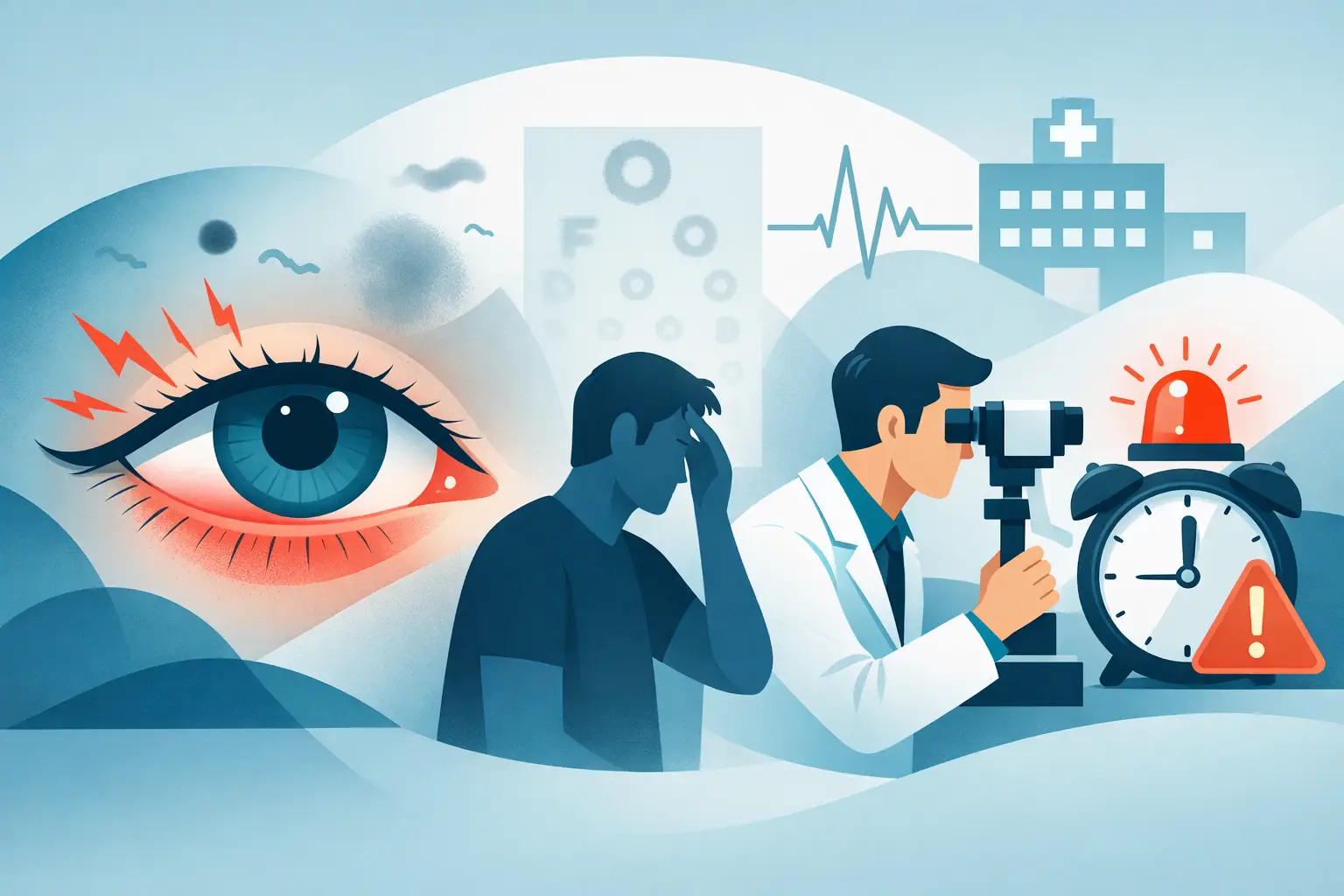
A less common form, acute angle-closure glaucoma, can develop suddenly and needs urgent medical attention. Seek same-day emergency eye care or emergency medical care for severe eye pain, a red eye, sudden blurred vision, halos around lights, headache, nausea, or vomiting. These symptoms can have several causes, but they should never be brushed aside.
A sudden curtain-like shadow, new flashes of light, a shower of floaters, or sudden loss of vision also requires urgent assessment. Not every urgent eye problem is glaucoma, yet prompt care can make a meaningful difference.
Why a Comprehensive Exam Matters More Than a Pressure Check
It is tempting to think glaucoma screening is simply an eye-pressure test, especially because pressure is easy to talk about. But some people with elevated pressure never develop glaucoma, while others develop optic nerve damage at pressures considered normal. The relationship is real, but it is more nuanced than a single number.
A comprehensive exam allows your optometrist to look for patterns. Is the optic nerve changing? Is the visual field stable? Are both eyes similar? Has eye pressure changed from your usual level? Comparing results over time is one of the strongest reasons to maintain continuity of care with a clinic that knows your history.
If testing suggests glaucoma or a higher risk of developing it, the next step may be repeat testing, closer follow-up, treatment with prescription eye drops, or referral to an ophthalmologist. Some patients also need laser treatment or surgery. The right approach depends on the type of glaucoma, the degree of damage, eye pressure, overall health, and how well treatment fits into daily life.
How to Prepare for Your Appointment
A little preparation helps your exam feel more productive. Bring your current glasses, contact lens information, and a list of medications or supplements. If a parent, sibling, or child has glaucoma, share that history, even if you do not know the exact diagnosis.
It also helps to mention any past eye surgery, injuries, migraines, diabetes, high blood pressure, or use of steroid medications. These details guide the conversation and help your optometrist decide whether additional testing is useful.
If you have been diagnosed with glaucoma, take your drops as prescribed before the appointment unless your prescribing clinician has given different instructions. Bring the bottles with you if you are uncertain about the names or schedule. Eye drops work best when they become part of a dependable routine, and your care team can help troubleshoot irritation, missed doses, cost concerns, or difficulty putting them in.
A Calm, Proactive Way to Protect Vision
Glaucoma screening is not meant to create fear. It is a practical part of taking care of your future vision, much like monitoring blood pressure or keeping up with preventive health visits. The goal is to find concerns early, explain what they mean clearly, and make decisions with you rather than around you.
At 4 Eyes Optometry, comprehensive exams are designed to feel thorough without feeling rushed. Whether you are booking for yourself, a parent, or a child, regular eye care creates the opportunity to notice small changes before they become bigger challenges. If it has been a while since your last eye exam, choosing a convenient day to book is a simple, caring step for your family’s long-term eye health.