
The best contact lenses for beginners are rarely about choosing the most popular brand or the lowest-priced box. A good first lens should feel comfortable, suit your prescription and eye health, and fit naturally into the way you live. For some people, that means the simplicity of a fresh lens every day. For others, it means a reusable option that works well with a consistent cleaning routine.
Starting contact lenses can feel like a big change, especially if you have always worn glasses. With a proper contact lens exam, a little hands-on coaching, and lenses selected for your eyes rather than a one-size-fits-all recommendation, the process can be positive and far less intimidating than expected.
What makes a contact lens beginner-friendly?
Comfort matters, but it is only one part of a successful first contact lens experience. A lens also needs to provide clear, stable vision and allow enough oxygen to reach the surface of your eye. Your optometrist evaluates these details during a contact lens fitting, along with the shape of your cornea, your tear film, your prescription, and any signs of dryness or irritation.
For beginners, the right lenses are often easy to handle, predictable throughout the day, and compatible with a realistic care routine. Someone who works long shifts in air-conditioned spaces may need something different from a student who wants lenses for sports or a parent who plans to wear them only occasionally.
It is also worth remembering that a contact lens prescription is not the same as a glasses prescription. Contact lenses sit directly on the eye, so their fit, diameter, curvature, material, and replacement schedule all matter. Buying lenses based only on a glasses prescription can lead to discomfort, blurry vision, or unnecessary eye health risks.
Daily disposable lenses are often a great place to start
For many first-time wearers, daily disposable contact lenses are among the best contact lenses for beginners. You open a fresh, sterile pair in the morning and discard them at the end of the day. There is no case to clean, no solution to buy, and no need to remember whether your lenses have been replaced on time.
That simplicity can be especially helpful while you are learning how to insert and remove lenses. It also reduces the chance of issues caused by poor cleaning habits, such as using old solution, topping off solution in a lens case, or sleeping in lenses that were not designed for overnight wear.
Daily disposables may cost more per lens than reusable options, particularly if you wear them every day. Still, many people find the convenience and comfort worthwhile. They can also be a practical choice for occasional wearers who want contacts for exercise, social events, travel, or a glasses-free day outdoors.
Who may prefer reusable lenses?
Biweekly or monthly lenses can be a good fit for people who are comfortable following a daily cleaning routine. They are typically removed each night, rubbed and rinsed with the recommended solution, then stored in fresh solution in a clean case.
Reusable lenses can be more economical in some situations, but they do require consistency. If you are likely to forget lens care after a long day, daily disposables may offer more peace of mind. There is no right answer for everyone, only the option that supports both your vision and your routine.
Lens material can make a real difference
Many modern soft contact lenses are made from silicone hydrogel, a material that allows more oxygen to pass through the lens to the eye. These lenses are commonly recommended because they can help support comfortable wear for many patients, especially those who spend long days wearing contacts.
However, material alone does not determine whether a lens will feel good. The lens design, your tear quality, your eyelid shape, your environment, and the amount of time you wear contacts all play a role. A lens your friend loves may not be the best match for your eyes.
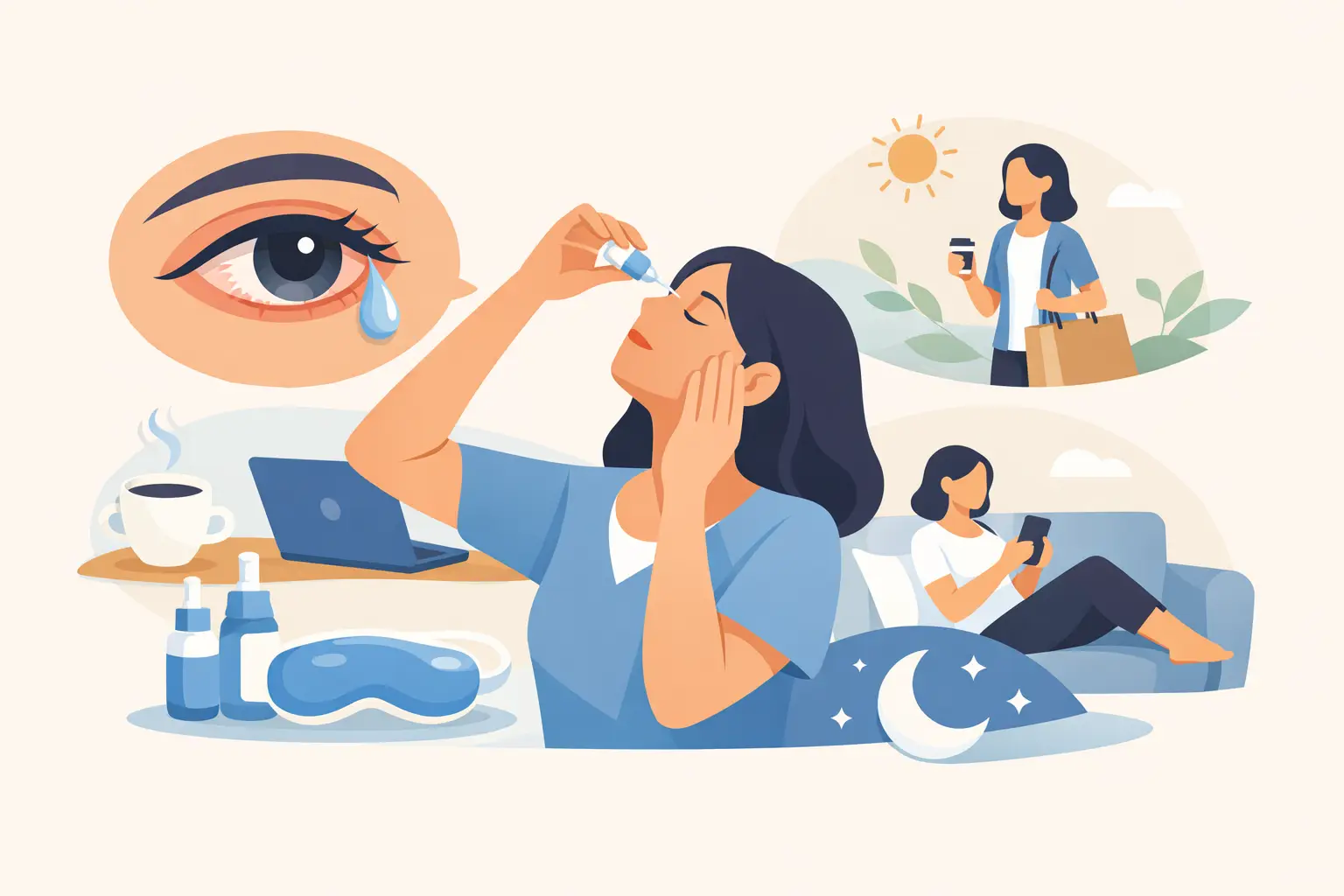
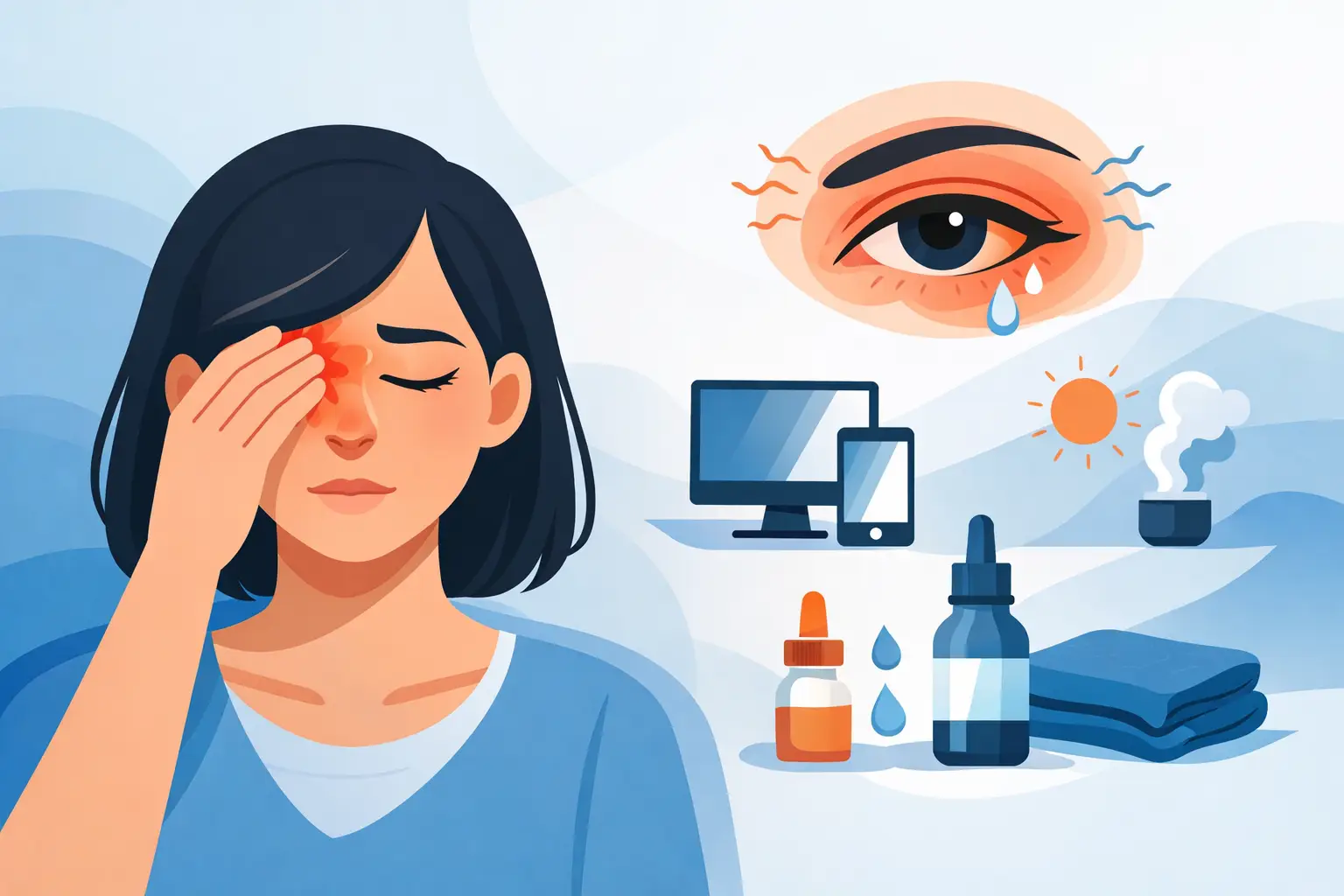
If your eyes tend to feel dry, gritty, or tired, mention it during your exam. Dry eye symptoms are common and manageable, but they should not be ignored. Sometimes a different lens material or replacement schedule helps. In other cases, treating the underlying dry eye is the most helpful first step before increasing contact lens wear.
Your prescription may call for a specialized lens
Beginner-friendly does not have to mean basic. Contact lenses can correct a wide range of vision needs, and your first fitting should account for the way you see in real life.
If you have astigmatism, toric contact lenses may help provide clearer, steadier vision. These lenses are designed to stay in the proper position on the eye, though finding the ideal fit can take a little more precision. If you need help seeing both near and far, multifocal contact lenses may be an option. They can take some adaptation, since your brain is learning to use vision at different distances in a new way.
Some people with more complex prescriptions may be candidates for specialty contact lenses. These are not always the first choice for a new wearer, but a comprehensive exam can identify the options that make sense for your vision, comfort, and eye health.
The fitting appointment is part of choosing the right lens
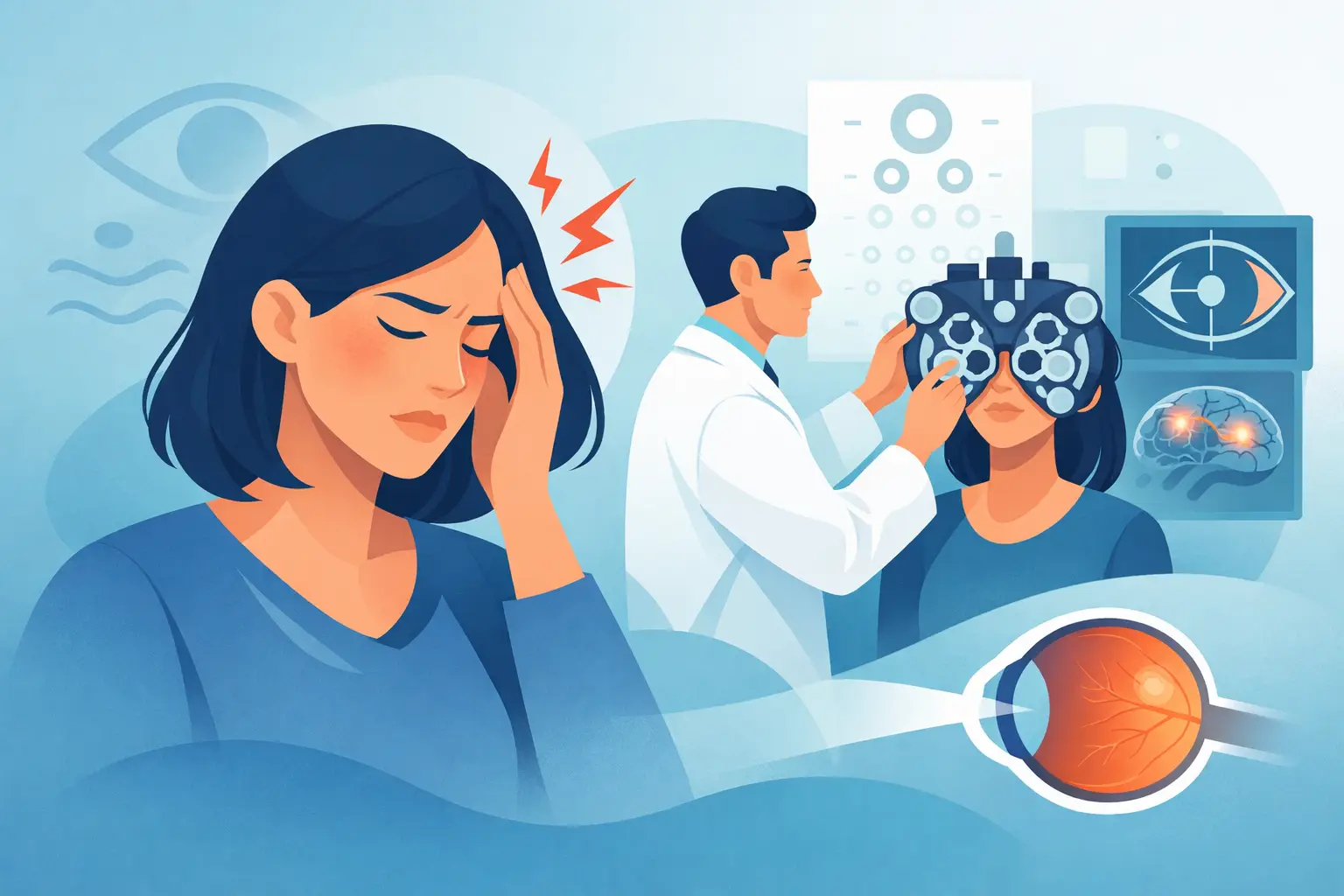
A contact lens exam is more than a quick prescription update. Your optometrist measures your eyes, checks the health of the front surface of the eye, evaluates your vision with trial lenses, and confirms that the lens moves and centers properly.
You should also receive practical instruction before taking lenses home. This includes how to wash and dry your hands, insert the lenses, remove them safely, and recognize when something does not feel right. Many first-time wearers need a few tries before insertion becomes easy. That is completely normal.
A follow-up visit is also valuable. It gives your optometrist a chance to confirm that your vision remains clear, your eyes are healthy, and your chosen lenses are working well beyond the first few hours of wear. If they are not, the answer may simply be a different lens design or material.
A few habits make the adjustment easier
The first week of contact lens wear is a learning period. Give yourself extra time in the morning rather than trying to put lenses in for the first time when you are already running late. Start with the wearing schedule recommended by your eye doctor, even if the lenses feel comfortable right away.
Keep these essentials in mind:
- Wash and thoroughly dry your hands before touching lenses or your eyes.
- Never rinse lenses or lens cases with tap water, and do not wear lenses while swimming or in a hot tub unless your eye doctor has given specific guidance.
- Do not sleep in lenses unless they were prescribed specifically for overnight wear.
- Replace lenses and lens cases on schedule, even when the lenses still seem fine.
- Remove your lenses and contact your eye care provider if you have pain, increasing redness, light sensitivity, sudden blurry vision, or unusual discharge.
A little caution protects the comfort and convenience that make contact lenses appealing in the first place.
Glasses still have an important role
Even people who love contact lenses should keep an updated pair of glasses. Your eyes may need a break during allergy season, when you are sick, after a long screen-heavy day, or whenever they feel dry or irritated. Glasses are also essential if you need to remove your contacts unexpectedly.
Many patients enjoy having both options. Contacts can offer freedom for sports, special occasions, and everyday activities, while glasses provide a comfortable backup and a way to express personal style. The goal is not to choose one forever. It is to have vision correction that works for your life.
At 4 Eyes Optometry, a first contact lens fitting is designed to feel calm, supportive, and personal. We take the time to understand how you hope to use contacts, what feels challenging, and what will help you feel confident caring for your eyes.
The best first lenses are the ones you can wear safely, comfortably, and confidently – with clear vision and a care plan that feels manageable from day one.