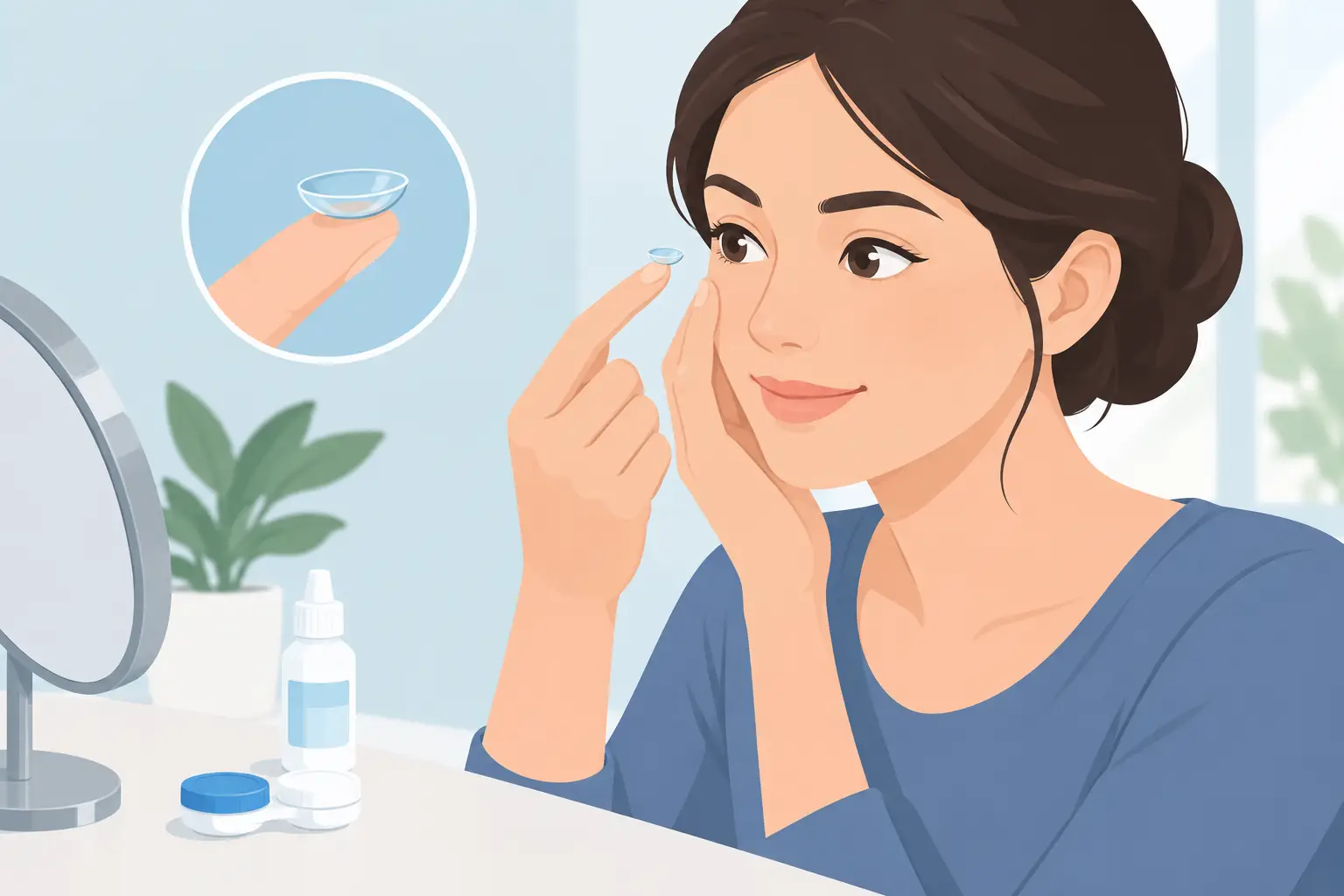
A contact lens that felt fine at breakfast can become distracting by midafternoon: a scratchy feeling, watering, redness, or the urge to blink constantly. To prevent contact lens irritation, it helps to look beyond the lens itself. Comfort depends on how your eyes are doing, how you care for your lenses, and whether your current lens type still suits your life.
Occasional mild dryness can happen, especially after a long day on screens or in air-conditioned spaces. But discomfort should not become something you simply push through. Contact lenses should support clear, comfortable vision, and persistent irritation is a useful signal to pause and find the cause.
Start With Clean Hands and Fresh Lenses
The simplest habits often make the biggest difference. Before inserting or removing lenses, wash your hands with soap and water, then dry them with a clean, lint-free towel. Lotions, fragrances, oils, and small particles can transfer from your hands to the lens surface and irritate the eye.
Follow your prescribed replacement schedule closely. A two-week lens is not meant to become a three-week lens just because it still feels usable. As lenses age, deposits from tears, makeup, skincare products, and the environment can collect on their surface. The lens may become less smooth and less breathable, which can leave eyes feeling dry or gritty.
Daily disposable lenses can be a particularly comfortable option for people who struggle with deposits or who prefer a simpler routine. They are not the right answer for every prescription or budget, but starting each day with a fresh lens removes the need for overnight storage and cleaning.
Use the Right Lens Care Routine
Reusable lenses need careful cleaning every time they come out. Empty old solution from the case, place the lens in your palm, and gently rub it with the recommended multipurpose solution before rinsing and storing it in fresh solution. Even products labeled “no-rub” can benefit from rubbing, because this step helps remove surface buildup.
Never top off yesterday’s solution. Adding new solution to old liquid dilutes its cleaning and disinfecting ability. Replace your lens case regularly, too. A clean case is part of lens care, not an afterthought.
Water is not a safe substitute for contact lens solution. That includes tap water, bottled water, shower water, hot tubs, pools, and saliva. Water can carry microorganisms that may attach to a lens and raise the risk of a serious eye infection. Remove lenses before swimming whenever possible. If you need vision correction in the water, prescription goggles are often a more eye-friendly choice.
It is also wise to use only the care system recommended for your specific lenses. Some people are sensitive to certain solutions or preservatives, while specialty lenses may require a different approach. If a new solution seems to coincide with burning or redness, do not assume you need to tolerate it. An eye care professional can help determine whether the product, the lens, or dry eye is contributing to the problem.
Prevent Contact Lens Irritation From Dryness
Dry eye is one of the most common reasons lenses become uncomfortable, and it is not always obvious at first. Eyes may feel tired, sting, water excessively, or seem fine in the morning but become less comfortable as the day goes on. Screen use is a frequent contributor because people tend to blink less completely while concentrating.
Give your eyes regular breaks during close work. Look across the room periodically, blink slowly and fully several times, and avoid directing fans or vehicle vents straight toward your face. A humidifier may help during dry seasons, while wraparound sunglasses can reduce wind exposure outdoors.
Lubricating eye drops can be helpful, but choose drops labeled for contact lens wear or ask your optometrist for a recommendation. Redness-relief drops are not the same as lubricating drops and may mask symptoms without addressing dryness. If you use drops often, preservative-free options may be gentler for some eyes.
Comfort can also depend on lens material, replacement schedule, fit, and how long you wear lenses each day. A lens that worked well several years ago may no longer be the best fit if your tear film, medications, hormones, health, work environment, or visual needs have changed. Personalized contact lens care is not about selling a different lens at every visit. It is about finding the option that keeps your eyes healthy and your vision dependable.
Keep Makeup and Skincare Lens-Friendly
Makeup does not have to be off-limits for contact lens wearers, but order matters. Insert lenses before applying makeup, and remove them before washing your face or taking makeup off. This helps keep cleanser, mascara fibers, powder, and makeup remover away from the lens surface.
Avoid applying eyeliner to the inner lid margin, sometimes called the waterline. The glands along this area help produce the oily layer of your tears. Blocking them can worsen dryness and leave lenses feeling less comfortable. Replace eye makeup regularly, and skip it altogether if you have an active eye infection, unusual redness, or swelling.
Some skincare ingredients can also migrate into the eyes, especially rich creams applied close to the lashes. If your vision looks hazy soon after applying products, try leaving a little more space around the eyelids and wash your hands again before touching your lenses.
Give Your Eyes Time Without Lenses
Contact lenses are medical devices, not something your eyes need to wear every waking hour. Keeping an up-to-date pair of glasses gives your eyes a break when they feel tired and makes it easier to remove lenses promptly if discomfort begins.
Do not sleep in contacts unless your eye care professional has specifically prescribed lenses approved for overnight wear and discussed the risks with you. Even then, sleeping in lenses can increase the chance of irritation and infection. Taking a short nap in lenses may seem harmless, but reduced oxygen and a drier lens surface can make removal uncomfortable afterward.
If a lens starts to sting, shift, blur your vision, or feel like something is trapped beneath it, take it out. Inspect it for a tear, debris, or an inside-out edge. If it looks damaged or remains uncomfortable after rinsing with approved solution, use a fresh lens or wear glasses. Trying to “wear through” discomfort can turn a small issue into a more significant one.
Know When Irritation Needs Prompt Care
Mild dryness that improves after removing lenses may be manageable with a rest day and better habits. Pain, significant redness, light sensitivity, discharge, swelling, or a sudden change in vision are different. Remove your lenses and seek prompt professional care. Do not put the lenses back in to see whether the symptoms settle.
Contact lenses can make certain eye problems more urgent because they sit directly on the cornea, the clear front surface of the eye. An exam can identify whether symptoms are related to dry eye, allergies, lens fit, an irritated eyelid, a scratched cornea, or an infection. Bringing your lenses, lens case, and solution to the visit can sometimes help your clinician assess the situation.
A yearly contact lens evaluation is also valuable even when everything feels fine. Your prescription may be stable while the health of your eyes, tear film, or lens fit has changed. Regular care gives you a chance to discuss comfort honestly, update your options, and address small concerns before they interfere with your day.
Comfortable lens wear should feel easy enough that you barely think about your eyes. If irritation keeps returning, give yourself permission to stop, wear your glasses, and ask for individualized guidance. A small adjustment in lens type, care routine, or dry eye treatment can make daily vision feel much more comfortable again.