If you have ever booked an appointment and wondered whether you need a comprehensive eye exam vs contact exam, you are not alone. It is one of the most common points of confusion for patients, especially if your vision seems stable and you simply want to renew your contacts. The short answer is that these visits are related, but they are not the same thing.
A comprehensive eye exam looks at your overall vision and eye health. A contact exam builds on that information to determine whether contact lenses are a safe, comfortable, and effective option for your eyes. For many people, the right answer is not one or the other. It is both.
Comprehensive eye exam vs contact exam: what is the difference?
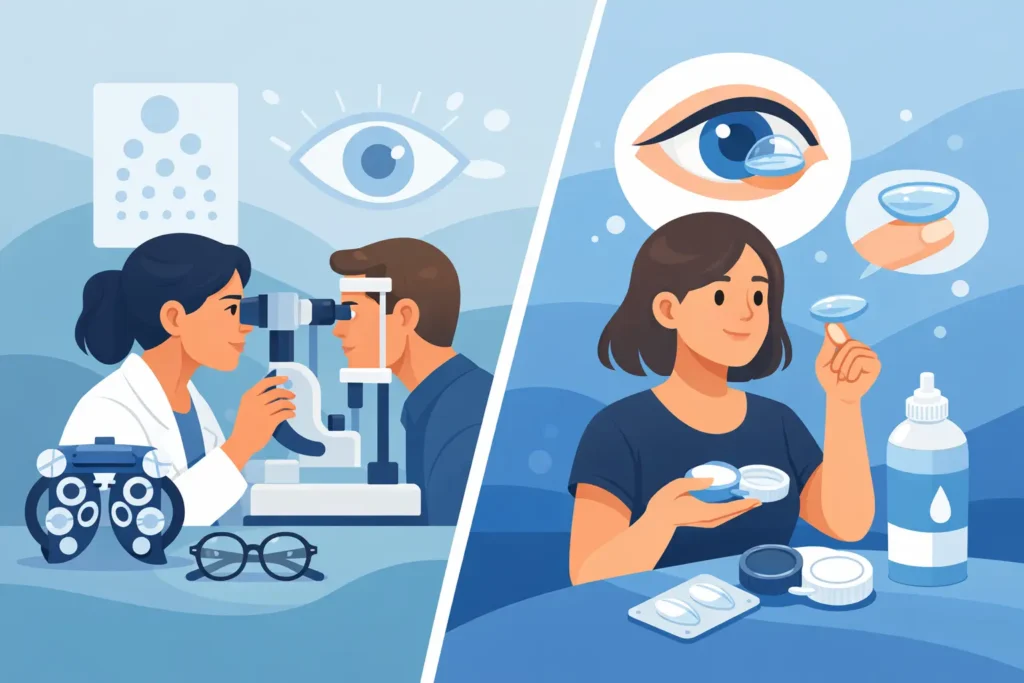
The easiest way to think about it is this: a comprehensive exam is about your eyes as a whole, while a contact exam is about how contact lenses interact with your eyes.
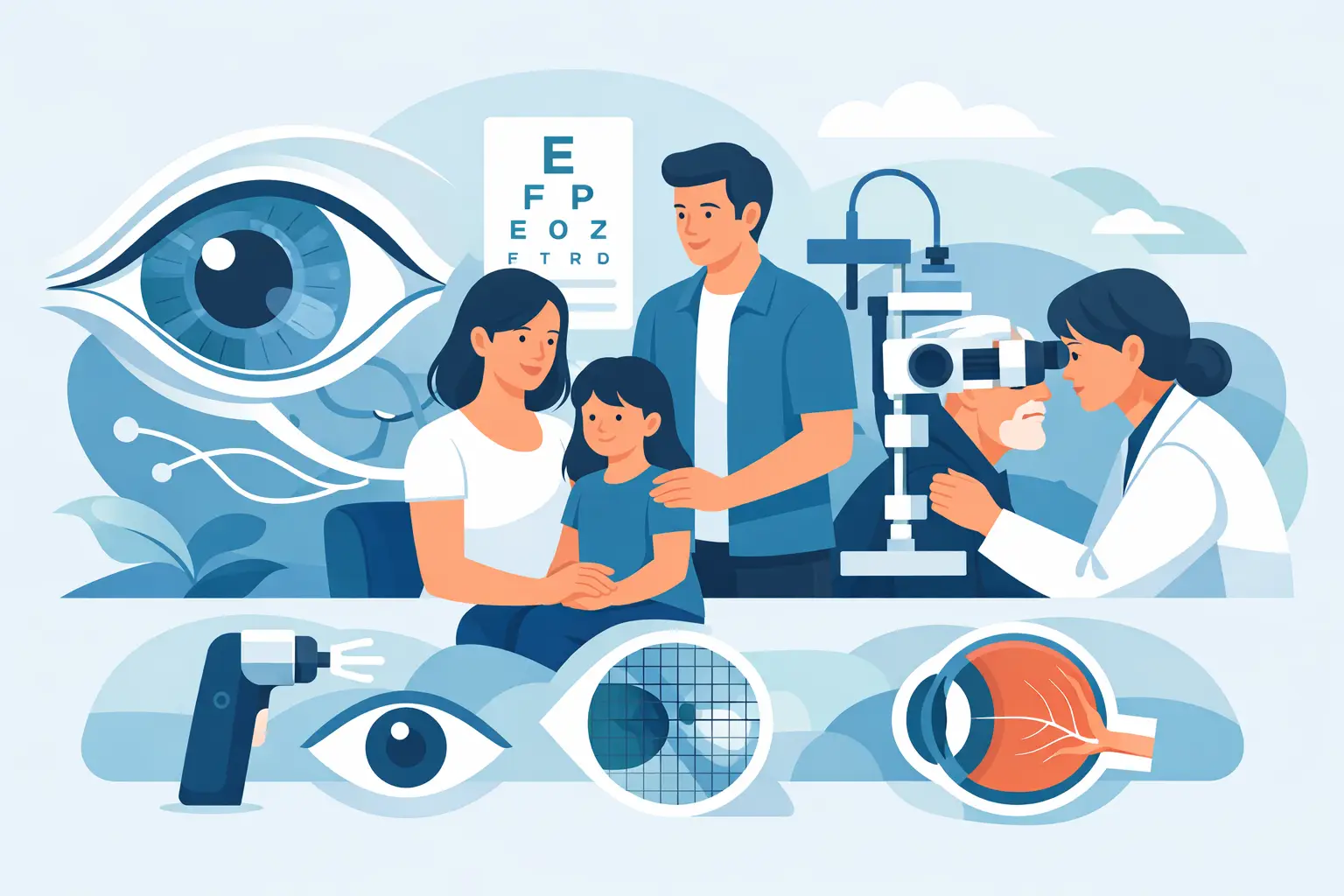
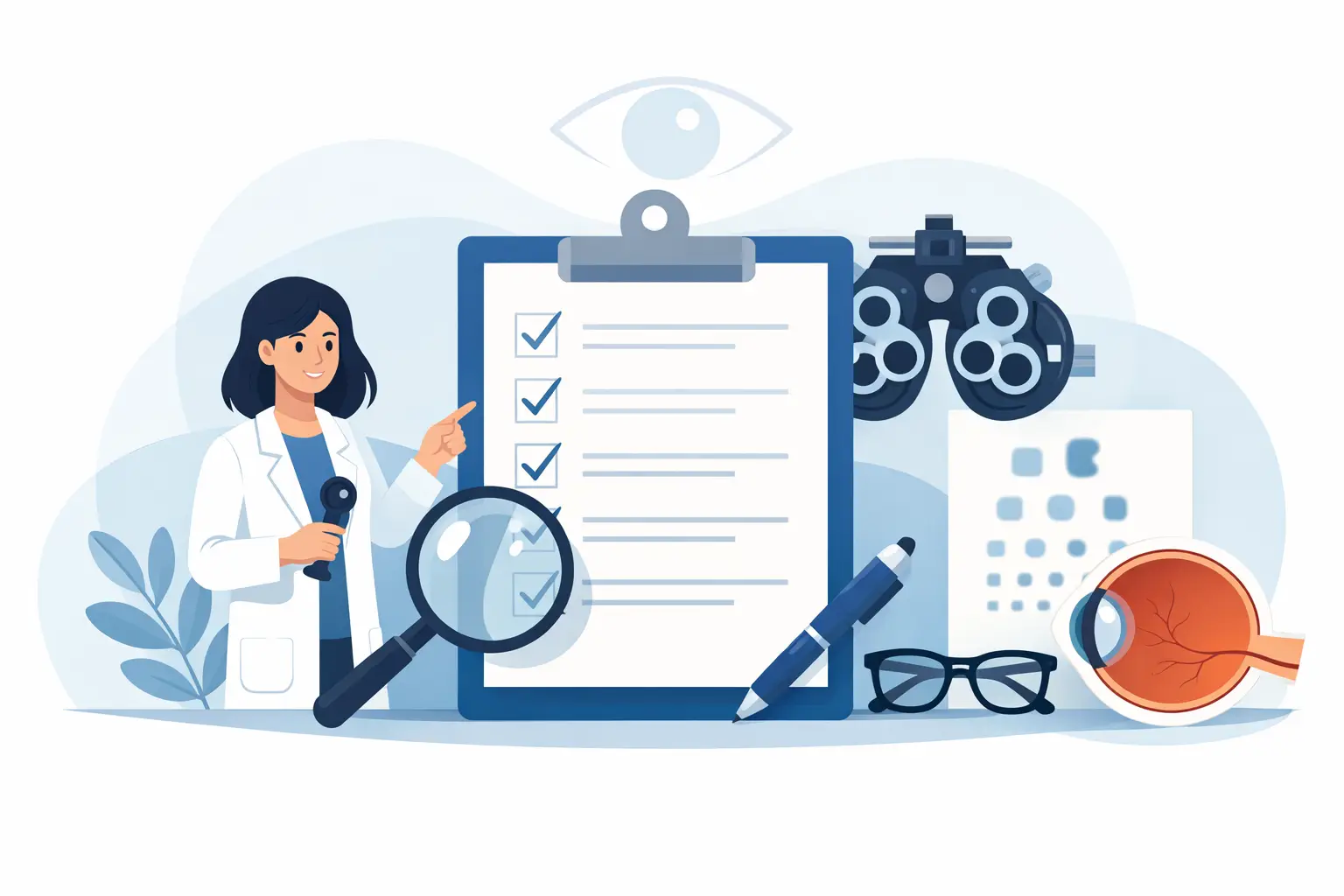
During a comprehensive eye exam, your optometrist checks your prescription, but that is only one part of the visit. The exam also looks at how your eyes work together, how well you focus, and whether there are signs of eye disease or broader health concerns that may show up in the eyes. Conditions such as glaucoma, cataracts, macular degeneration, diabetes-related changes, and high blood pressure can sometimes be detected during a full eye health assessment.
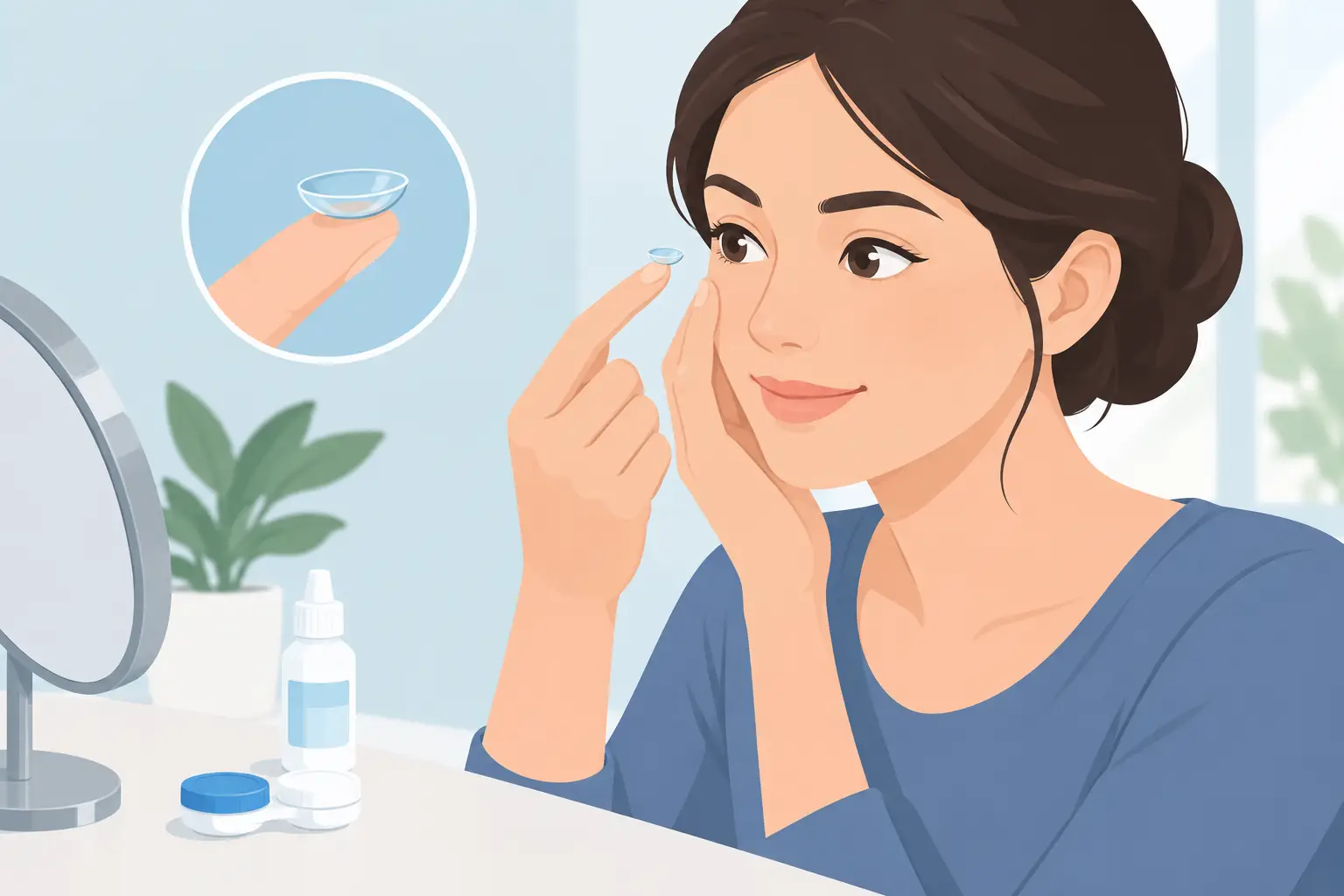
A contact exam is more specific. It evaluates whether contact lenses fit properly, how your cornea responds to lens wear, whether your tear film supports comfortable wear, and which lens type makes the most sense for your prescription and lifestyle. That may include daily disposable lenses, toric lenses for astigmatism, multifocal contacts, or specialty options in more complex cases.
What happens during a comprehensive eye exam?
A comprehensive exam is designed to give a full picture of your visual health, not just a number for glasses. That matters whether you wear correction every day, only for driving, or not at all.
Your appointment may include a review of your health history, current symptoms, medications, and visual needs at work, school, or home. From there, your optometrist measures visual acuity and refraction to determine whether your prescription has changed. Eye teaming, focusing, and movement may also be assessed, especially if you are dealing with headaches, eyestrain, or reading fatigue.
The health portion of the exam checks the front and back of the eyes for signs of disease or irritation. This is where a routine visit becomes proactive care. You might feel that your eyes are fine, but early changes in eye health often do not cause obvious symptoms right away.
For children, adults, and seniors alike, this kind of exam helps catch issues early and supports more personalized care over time.
What happens during a contact exam?
A contact exam starts with the information from your comprehensive exam, then goes further. This is because contact lenses are medical devices that sit directly on the eye. A prescription for glasses does not automatically tell us which contact lens will fit well or feel good.
Your optometrist evaluates the curvature of your cornea, the quality of your tear film, and the overall health of the eye surface. The fit of a trial lens may be assessed on the eye to make sure it centers properly, moves the right amount, and provides stable vision. If the fit is off, even a lens with the correct power can feel uncomfortable or lead to blurry vision.
This appointment is also where lifestyle matters. Someone who works long hours on screens, spends time outdoors, has seasonal allergies, or struggles with dry eye may need a different lens material or replacement schedule than someone with fewer symptoms. A contact exam is not just about getting lenses on your eyes. It is about finding an option your eyes can actually tolerate well.
Why a contact lens prescription is separate
This is often the part patients find frustrating, especially if they have worn contacts for years. If your glasses prescription is current, why is a separate contact lens evaluation needed?
Because fit and eye health matter just as much as lens power. Two people can have the same glasses prescription and need completely different contact lenses. The curve, diameter, material, moisture retention, oxygen transmission, and wearing schedule all affect comfort and safety.
Your eyes can change over time, too. Dryness may increase, allergies may become more noticeable, or the corneal shape may shift enough that your old lenses no longer perform the way they used to. A contact prescription confirms that the lenses you are wearing still match your eyes, not just your vision.
Do you always need both?
Not always, but often.
If you do not wear contacts and have no interest in them, a comprehensive eye exam may be all you need. If you already wear contacts or want to start, you will usually need a comprehensive exam plus a contact lens evaluation. In many clinics, these may happen during the same overall visit, but they are still separate services with different goals.
There are also times when a contact exam may need a little more attention. If you are trying contacts for the first time, have astigmatism, need multifocal correction, or have dry eye symptoms, the fitting process can be more involved. That is not a bad thing. It simply means your care is being tailored to your eyes instead of rushed.
Comprehensive eye exam vs contact exam for dry or sensitive eyes
This is where the distinction becomes especially important. If your eyes burn, water, feel gritty, or get tired in contact lenses, the answer is not always a stronger prescription or a quick re-order.
A comprehensive exam can help identify underlying issues affecting comfort, including dry eye disease, eyelid inflammation, allergies, or changes to the ocular surface. A contact exam then helps determine whether a different lens design, material, or wearing schedule would be a better match.
Sometimes the right plan is to treat the eye surface first and revisit contacts after that. Sometimes a daily disposable lens makes a big difference. Sometimes glasses are still the better choice for part of the week. Good care leaves room for those it depends moments, because comfort is not one-size-fits-all.
What about first-time contact lens wearers?
If you are new to contacts, a contact exam is about much more than handing you a prescription. You need lenses that fit well, but you also need proper training on insertion, removal, cleaning, and wear time. That education is part of safe lens wear.
This is especially helpful for teens and parents navigating contacts for the first time. A calm, supportive fitting process can make the experience much less stressful. It also helps build healthy habits early, which lowers the risk of irritation and infection later on.
Why regular exams still matter if your vision seems fine
Many people assume they only need to come in when their vision gets blurry. That makes sense on the surface, but eye health does not always announce itself early. Some of the most serious eye conditions develop gradually and painlessly.
Regular comprehensive exams help monitor for changes before they become harder to manage. If you wear contacts, regular contact evaluations add another layer of protection by checking how your lenses are interacting with the eye over time. Even small problems, like reduced tear quality or mild corneal irritation, are better addressed early.
That is part of what relationship-based eye care should feel like. You are not just getting a prescription update. You are getting guidance that changes with your age, symptoms, habits, and long-term eye health goals.
How to know what to book
If you are unsure, the safest starting point is usually a comprehensive eye exam. From there, if you wear contacts or want to explore them, a contact lens evaluation can be added based on your needs.
At a family-focused clinic like 4 Eyes Optometry, that conversation should feel straightforward and pressure-free. The goal is not to upsell you into extra appointments. It is to make sure you leave with clear vision, healthy eyes, and a plan that actually fits your life.
If you are deciding between a comprehensive eye exam vs contact exam, think of it this way: one protects your overall eye health, and the other makes sure your contact lenses are truly working for your eyes. When both are done thoughtfully, you get more than convenience. You get care that helps you see comfortably and confidently, now and down the road.