A child can seem to see just fine and still be missing details that matter. They may recognize faces, find their toys, and move around confidently, but that does not always mean their vision is developing the way it should. If you have been wondering when should a child get an eye exam, the short answer is earlier than many parents expect.
Children do not usually have the words to explain blurry vision, eye strain, or trouble focusing. Many assume what they see is normal because they have never experienced anything different. That is one reason regular pediatric eye exams matter so much – they help catch concerns early, often before a child starts to struggle at home or in school.
When should a child get an eye exam?
A child’s first eye assessment often begins in infancy with a basic screening by a pediatrician or family doctor, but a comprehensive eye exam with an optometrist should happen according to age and risk factors. In most cases, children should have their first full eye exam between 6 and 12 months old, another at age 3, and again before starting school, usually around age 5 or 6.
After that, many school-age children benefit from annual eye exams, especially if they wear glasses, have a known vision issue, or have a family history of eye conditions. Some children may be advised to come in more often, while others may not need visits quite as frequently. It depends on their visual development, symptoms, and overall eye health.
This timeline surprises a lot of parents because many people associate eye exams with reading difficulties or school screenings. The challenge is that some important vision problems begin much earlier, and early treatment is often more effective.
Why early eye exams matter
A child’s vision plays a major role in how they learn, explore, and connect with the world. Eye exams are not only about whether a child needs glasses. They also check how the eyes work together, how well a child focuses, whether the eyes are healthy, and whether visual development is on track.
That matters because issues like farsightedness, crossed eyes, lazy eye, poor tracking, or focusing problems are not always obvious. A child may compensate well for a while. They may avoid certain activities, lose interest in books, or become frustrated without anyone realizing vision is part of the picture.
There is also a timing issue. Some conditions are much easier to treat when found early, while the visual system is still developing. Waiting until a child complains can mean missing a valuable window for support.
What can happen at different ages
Infants and babies
During the first year, an eye exam can help confirm that the eyes are developing normally and working together. An optometrist can look for signs of misalignment, congenital conditions, unusual prescription needs, and overall eye health concerns.
Parents sometimes worry that a baby is too young for an exam, but infant eye exams are designed for that stage. The doctor does not rely on letter charts. Instead, they use age-appropriate techniques to assess visual responses and eye health in a gentle, low-stress way.
Toddlers and preschoolers
By age 3, children are using their vision in more complex ways. They are learning shapes, recognizing details, and coordinating what they see with how they move. This is also a common age for hidden vision problems to start affecting confidence and development.
A preschool eye exam can reveal whether one eye is working harder than the other, whether the child is focusing properly, and whether early treatment could help prevent longer-term issues. Some children who seem clumsy or uninterested in close-up activities are actually dealing with vision challenges that have gone unnoticed.
School-age children
Before kindergarten is an ideal time for another comprehensive exam, even if a school screening is planned. School screenings can be helpful, but they are limited. They often focus mainly on distance vision and may miss eye teaming, depth perception, focusing, or eye health concerns.
Once school begins, visual demands increase quickly. Reading, writing, screens, sports, and classroom learning all place different demands on the eyes. A child may pass a screening and still have issues that make school feel harder than it should.
Signs your child may need an eye exam sooner
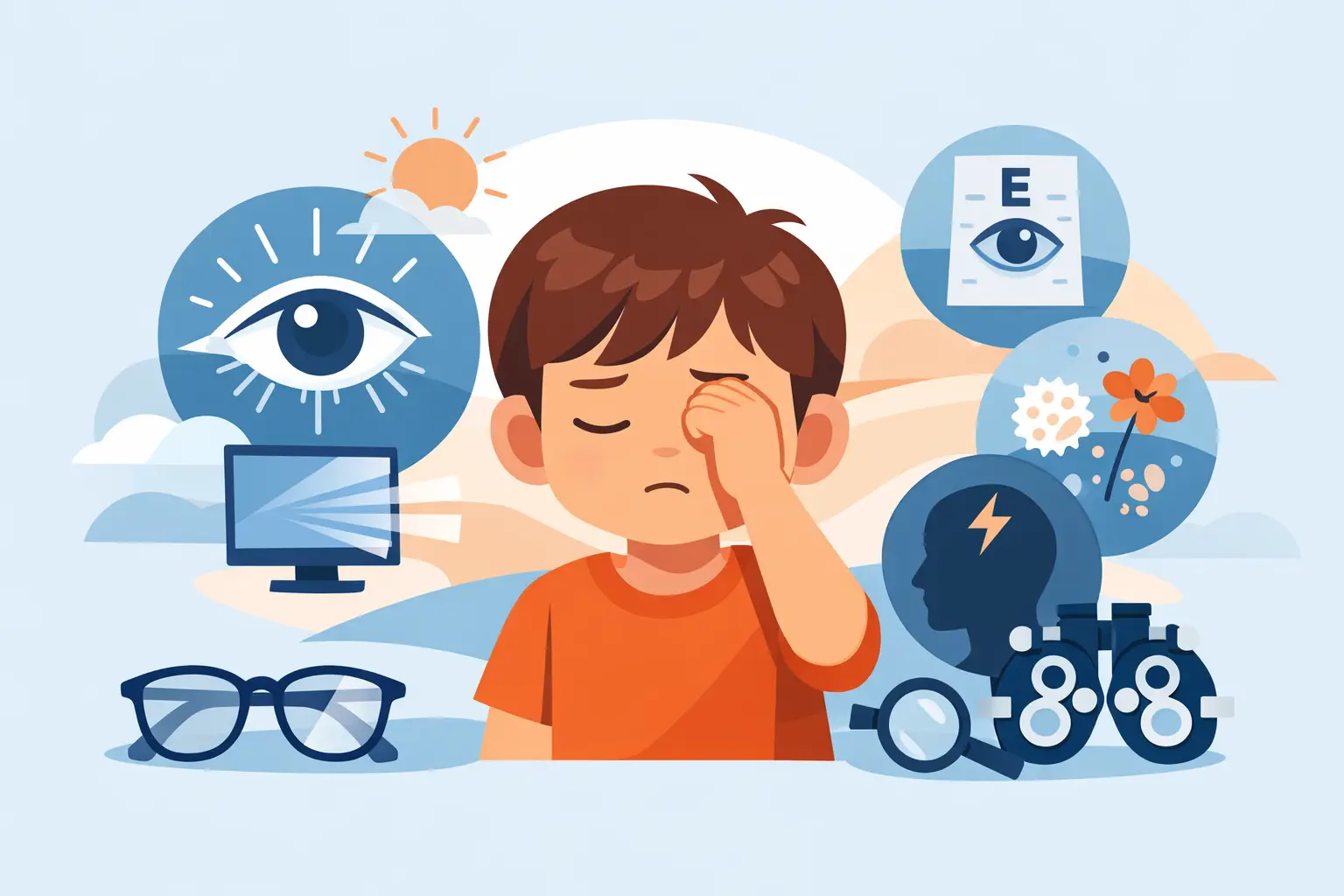
Even if your child is not due for a routine visit yet, some signs should prompt an earlier appointment. Frequent squinting, covering one eye, sitting very close to screens, or holding books unusually close can all suggest a vision problem.
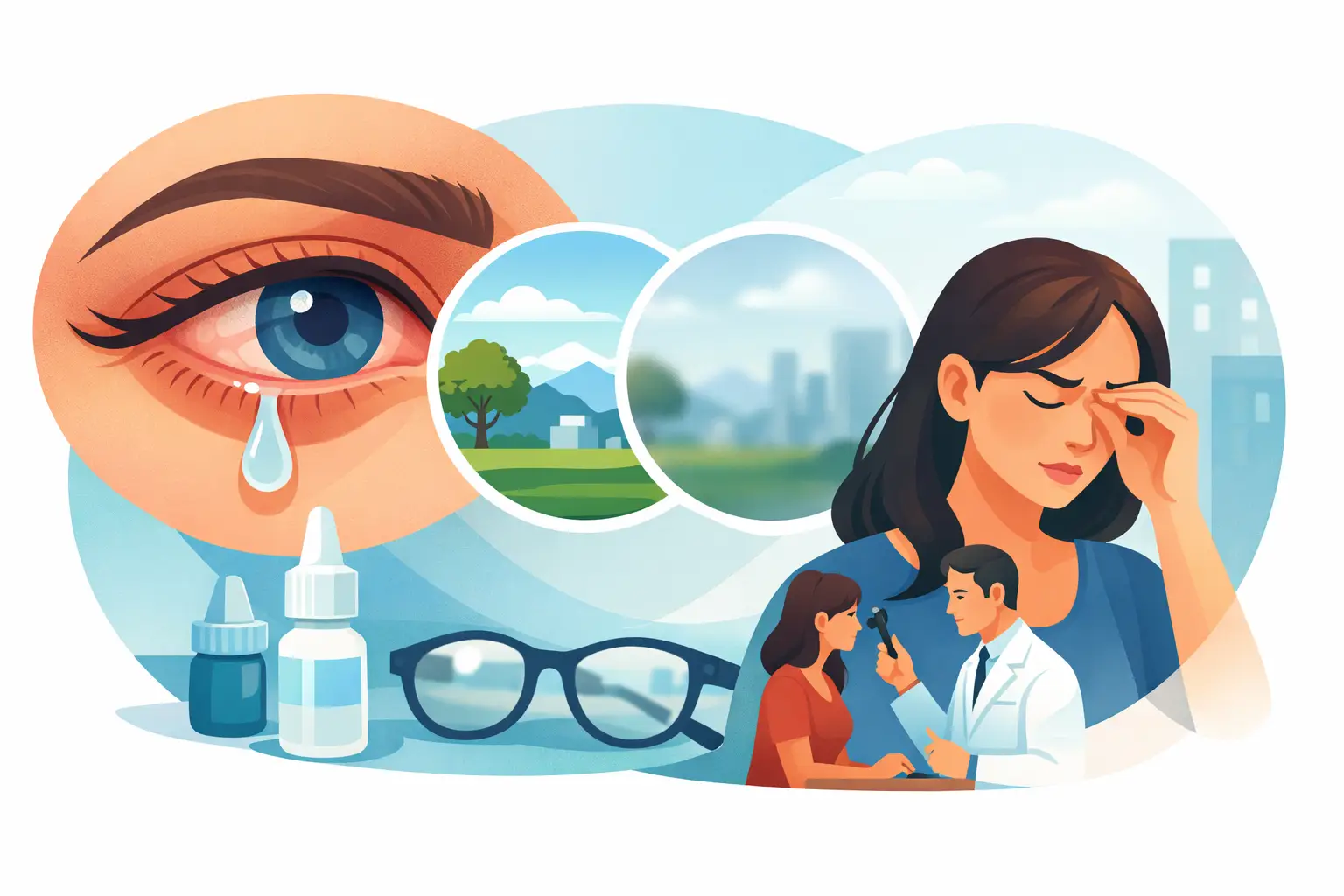
You may also notice headaches, eye rubbing, watery eyes, short attention span during close work, or complaints that words look blurry. Sometimes the signs are more subtle. A child may avoid puzzles, dislike coloring, lose their place while reading, or seem unusually tired after school.
Eye turns, drifting eyes, sensitivity to light, or one eye appearing different from the other should always be checked promptly. And if your child has had an eye injury, sudden vision changes, or redness that does not improve, it is best not to wait.
Family history matters too
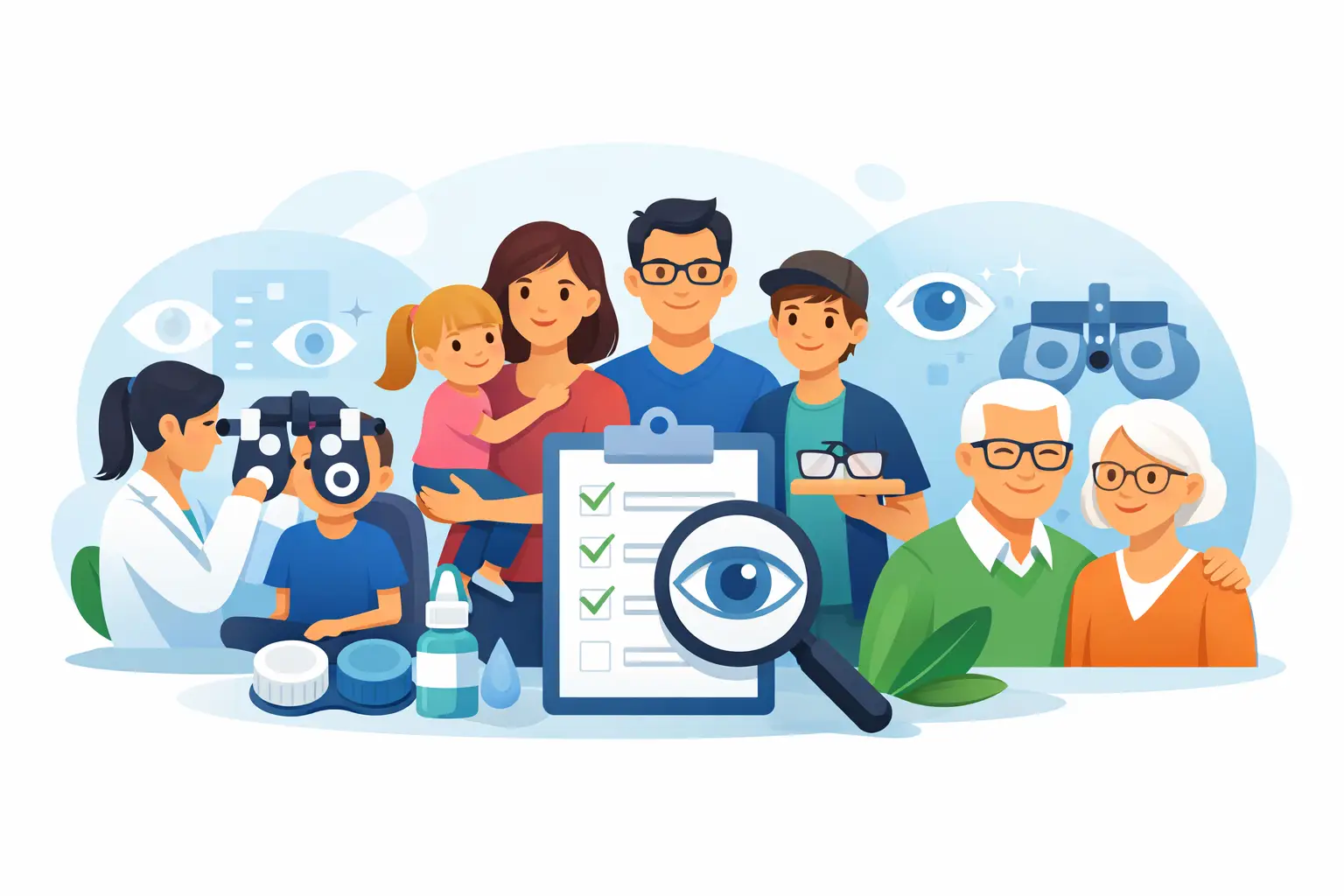
Some children should be seen earlier or more often because of their medical history or family background. If parents or siblings have high prescriptions, lazy eye, crossed eyes, or eye disease, that can raise a child’s risk.
Children born prematurely, those with developmental differences, or those with certain health conditions may also benefit from closer monitoring. In those cases, an optometrist may recommend a schedule tailored to the child rather than a standard age-based timeline.
This is where personalized care really helps. There is no benefit in guessing if your child is low-risk or assuming they will mention a problem. A comprehensive exam gives you a clearer picture and a plan that fits your child.
What happens during a child’s eye exam?
A lot of parents worry their child will feel nervous or uncooperative, especially during a first visit. In a family-focused clinic, the goal is to make the experience comfortable, friendly, and age-appropriate.
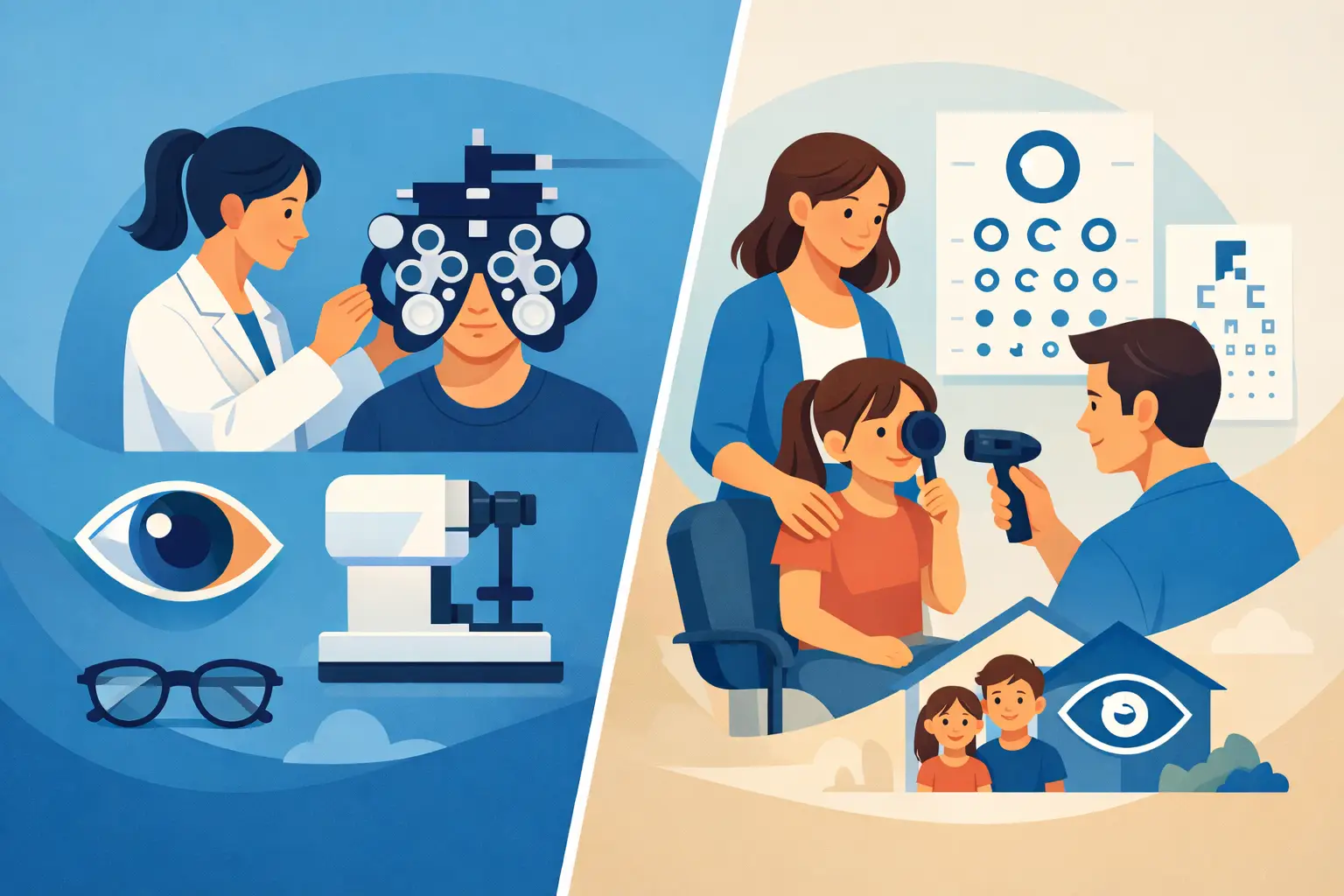
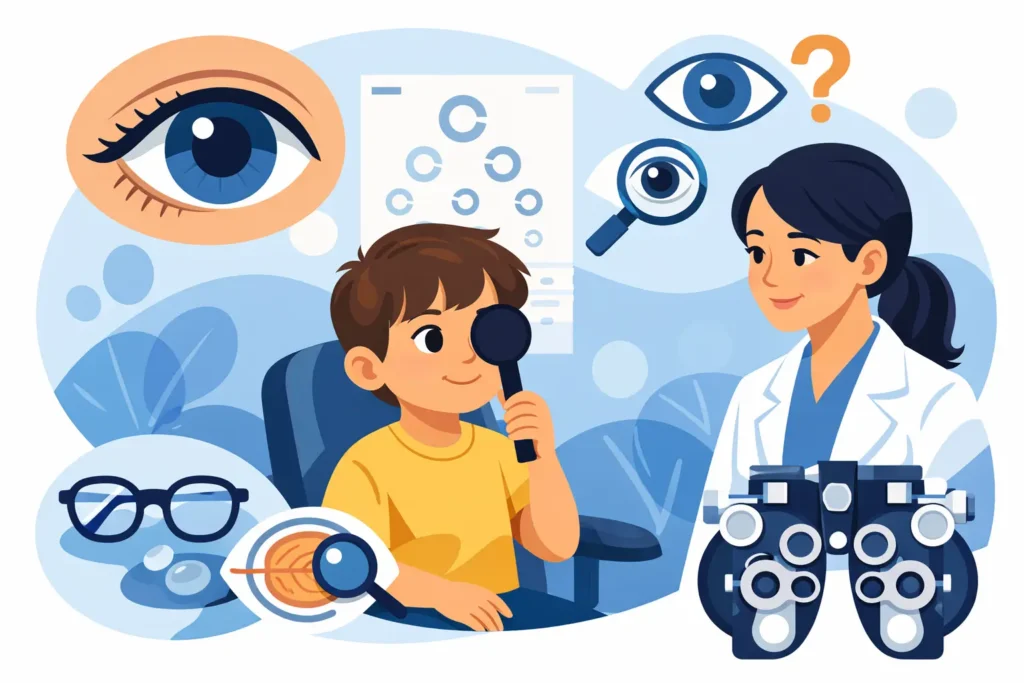
A child’s eye exam may include checking visual acuity, eye movement, focusing, alignment, depth perception, and overall eye health. Depending on age, the optometrist may use pictures, symbols, lights, lenses, or observation-based methods rather than asking the child to read letters.
If dilation is recommended, the doctor will explain why. Dilation can help provide a more complete look at eye health and a more accurate prescription, especially in children whose eyes focus very strongly. Not every visit looks exactly the same, and that is normal. The exam is adjusted to the child’s age, stage, and needs.
If your child passed a school vision screening
This is one of the most common reasons parents delay booking. A screening can be reassuring, but it should not replace a full eye exam.
Screenings are designed to catch some problems, not all of them. They usually happen quickly, in a busy setting, and may not assess how the eyes work together or whether your child is straining to see clearly. A child can pass and still have a prescription issue, tracking problem, or early binocular vision concern.
So if you are asking when should a child get an eye exam after passing a screening, the answer is still based on age, symptoms, and risk – not just the screening result.
How often should kids have eye exams after that?
Once a child is in school, yearly exams are a common recommendation because vision can change as they grow. That is especially true during years when reading demands increase or myopia starts to develop.
For some children, annual care helps catch changes before they affect learning or comfort. For others, follow-up may be based on an existing condition, glasses use, or treatment plan. The right schedule is not one-size-fits-all, but consistent care makes it easier to spot small shifts before they become bigger frustrations.
At 4 Eyes Optometry, that continuity is part of the value. When a child is seen regularly, it is easier to notice patterns, answer parents’ questions, and make thoughtful recommendations that fit real family life.
A good time to book is before there is a problem
Parents are used to watching for signs, but with vision, waiting for a problem can be tricky. Kids often adapt. They work around blurry vision, use one eye more than the other, or assume everyone sees the way they do.
Booking an exam before concerns show up is not overreacting. It is a proactive way to support your child’s comfort, confidence, and development. And when the visit feels calm and positive, it helps children build a healthy relationship with eye care from the start.
If you have been putting it off because your child seems fine, that is understandable. But peace of mind counts too. Sometimes the most helpful appointment is the one that confirms everything is on track and gives you one less thing to wonder about.