If you have ever found yourself wondering about optometrist vs ophthalmologist differences while booking an eye appointment, you are not alone. For many patients, the confusion starts the moment something changes – blurry vision, dry eyes, headaches, flashes of light, or a child squinting at the TV – and the next question is simple: who should you see first?
The good news is that you do not need to sort it all out on your own. Both optometrists and ophthalmologists play important roles in eye care, and in many cases, they work together. The main difference comes down to training, scope of care, and whether surgery is involved.
Optometrist vs ophthalmologist differences at a glance
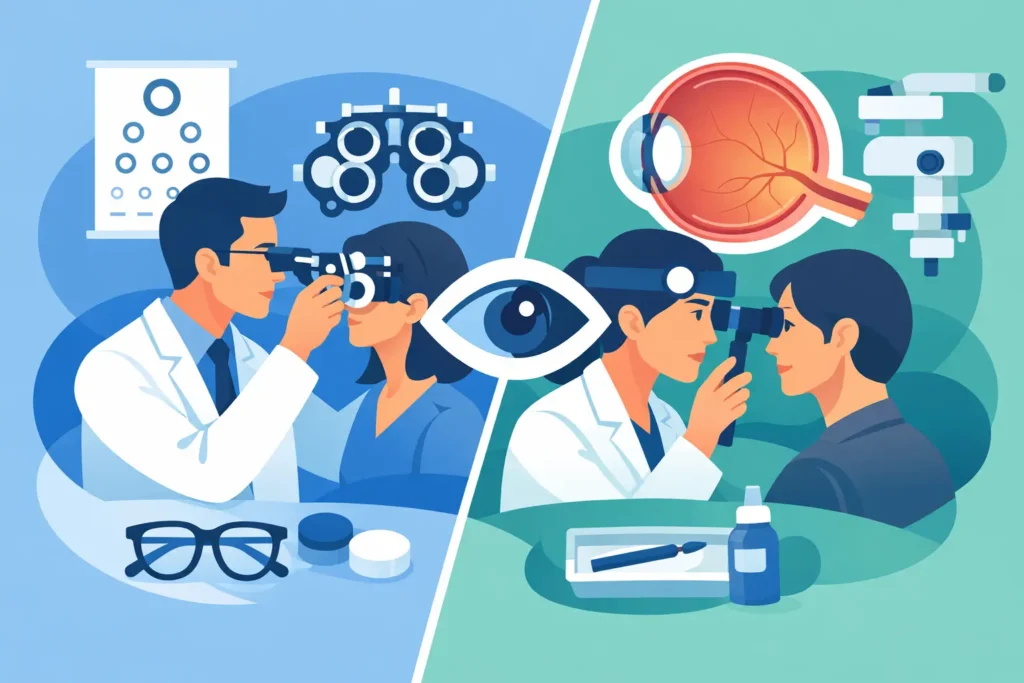
An optometrist is a primary eye care provider. They perform comprehensive eye exams, prescribe glasses and contact lenses, diagnose and manage many eye conditions, monitor eye health over time, and help patients stay ahead of problems before they become more serious.
An ophthalmologist is a medical doctor who specializes in eye disease and eye surgery. They diagnose and treat complex eye conditions too, but they are also trained to perform procedures and surgeries such as cataract surgery, glaucoma surgery, and retinal treatments.
That means the choice is not really about which provider is better. It is about which provider is the right starting point for your needs.
What an optometrist usually handles
For most people, an optometrist is the best first stop. If you need a routine eye exam, have noticed changes in vision, want contact lenses, need dry eye care, or have concerns about your child’s vision, this is typically where care begins.
Optometrists do much more than update prescriptions. A full-scope optometrist looks at how well you see, how your eyes work together, and how healthy the eyes are overall. That includes checking for concerns like glaucoma, cataracts, diabetic eye changes, macular degeneration, eye infections, inflammation, and other conditions that may need treatment or close follow-up.
This is also where relationship-based care matters. When the same clinic gets to know your history, your lifestyle, and your risk factors, recommendations tend to feel more personal and more useful. A parent with a child struggling in school, an adult spending long hours on screens, and a senior noticing nighttime glare all need different kinds of guidance.
In many communities, optometrists also provide urgent eye care for issues like red eyes, sudden irritation, styes, foreign body concerns, or possible infections. Some symptoms can be handled fully in an optometry setting, while others may need referral to an ophthalmologist or emergency care. That is part of the value of starting with a provider who can assess the situation and guide next steps.
What an ophthalmologist usually handles
Ophthalmologists are eye surgeons as well as medical eye specialists. They often step in when a condition is advanced, surgical, or especially complex.
For example, if you need cataract surgery, eyelid surgery, laser treatment, or management of certain retinal conditions, an ophthalmologist is the specialist who performs those procedures. They may also manage severe glaucoma, complicated diabetic eye disease, retinal detachments, eye trauma, or cases that need hospital-based care.
Some ophthalmologists focus heavily on surgery, while others also provide general medical eye care. It depends on their practice and subspecialty. One ophthalmologist may spend most of the week performing cataract surgeries, while another may focus on retina, cornea, or pediatric ophthalmology.
This is why patients are sometimes surprised to learn that an ophthalmologist is not always the most practical first appointment for everyday eye concerns. If your needs are routine, preventive, or non-surgical, an optometrist is often the more appropriate and accessible place to start.
Training and credentials
The training path is one of the clearest optometrist vs ophthalmologist differences.
An optometrist earns a Doctor of Optometry degree and is trained in primary eye care, vision testing, diagnosis, and management of many eye conditions. They are licensed to prescribe corrective lenses and, depending on local regulations, medications for a range of eye problems.
An ophthalmologist completes medical school, internship, and residency in ophthalmology. Because they are physicians and surgeons, their training includes surgery and broader medical management of eye disease.
Patients do not need to memorize the educational route, but it helps explain why both roles exist. One is centered on primary, ongoing eye care and medical management. The other includes surgical treatment and highly specialized disease care.
Who should you see first?
In real life, this is usually the question that matters most.
If you need an annual eye exam, have blurry vision, are interested in contacts, have dry eye symptoms, are noticing eye strain, or want your child’s eyes checked, start with an optometrist. The same goes for many non-emergency medical concerns such as red eyes, allergies, mild infections, or changes that need prompt evaluation.
If you already know you need surgery or have been referred for a surgical opinion, an ophthalmologist is the right provider. The same is true for certain advanced conditions that clearly require specialist intervention.
There is also a middle ground, and that is where coordinated care becomes especially helpful. An optometrist may diagnose a cataract, glaucoma suspicion, or retinal concern during an exam, explain what is happening in plain language, and then refer you to an ophthalmologist when surgical or highly specialized care is needed. After surgery or treatment, the optometrist may continue with follow-up care, ongoing monitoring, and day-to-day vision management.
For patients, that means eye care is often not either-or. It is a team approach.
Common situations and the right next step
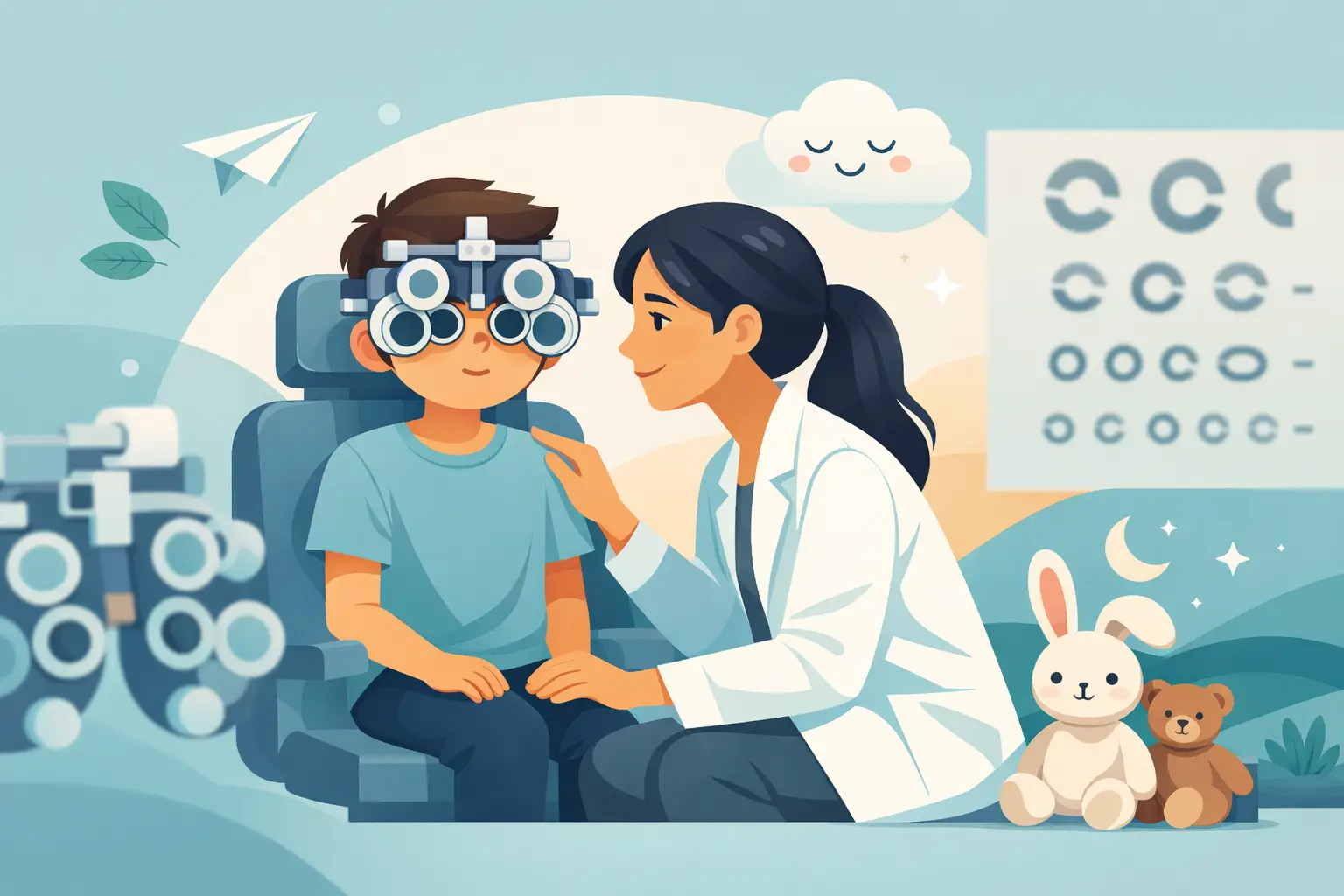
If your child is rubbing their eyes, sitting too close to screens, or struggling to focus in school, book with an optometrist. Pediatric eye exams are designed to catch concerns early, and early care can make a real difference.
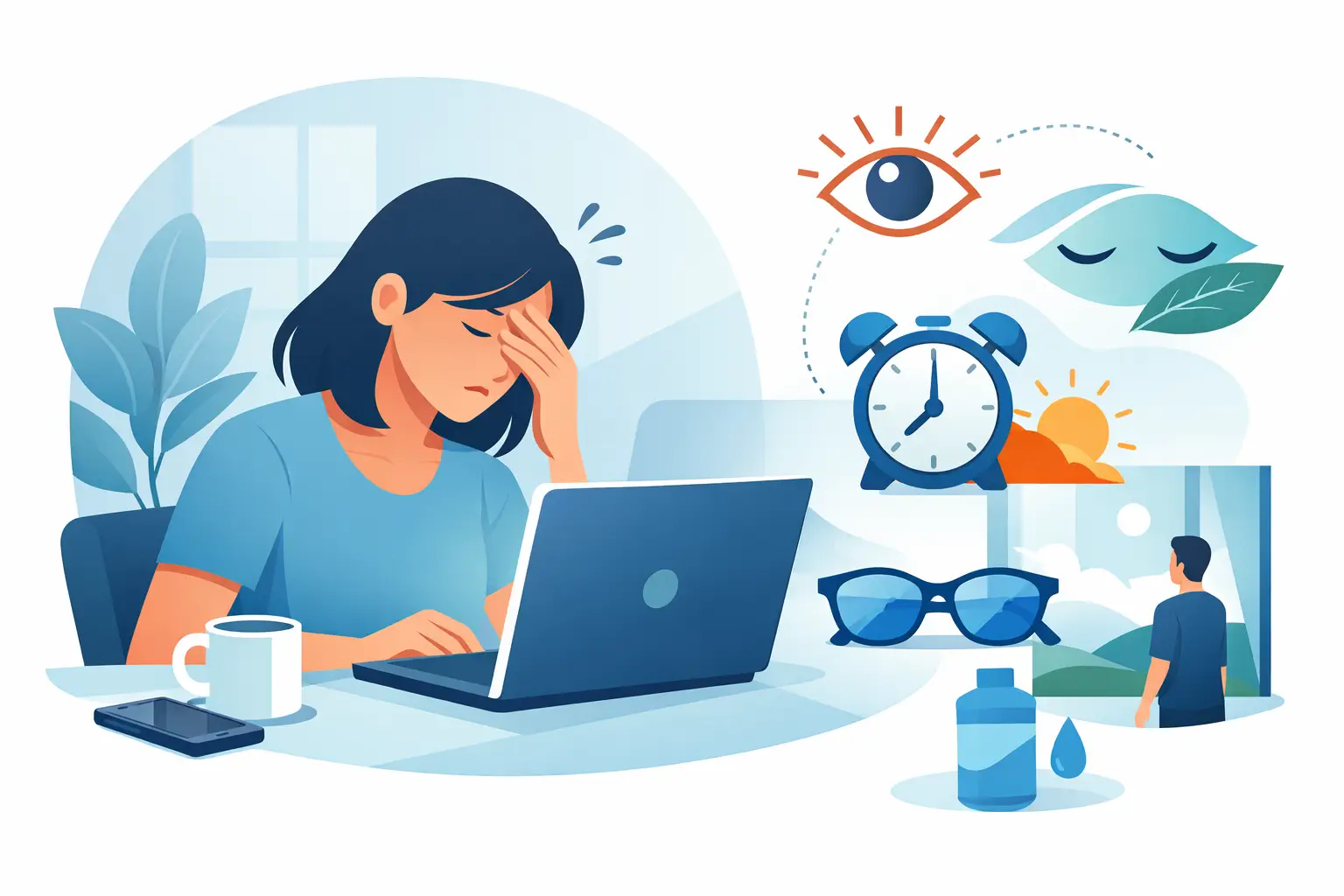
If your eyes feel gritty, tired, watery, or irritated, an optometrist is also a good starting point. Dry eye is common, but it is not one-size-fits-all. The right treatment depends on the cause, your environment, your health history, and how long symptoms have been going on.
If you are noticing increasing glare at night or cloudy vision, you may start with an optometrist, who can determine whether cataracts are developing and whether it is time for an ophthalmology referral.
If you suddenly see flashes, a shower of floaters, a curtain over your vision, or experience sudden vision loss, seek urgent care right away. Those symptoms can signal a serious retinal issue and should not wait.
Why continuity of care matters
One of the biggest misunderstandings in eye care is that exams are only about prescriptions. In reality, regular visits help track subtle changes over time.
That matters because many eye conditions start quietly. Glaucoma, diabetic eye disease, and macular changes do not always cause obvious symptoms early on. A provider who knows your baseline can spot small shifts sooner and help you act before vision is affected.
This is especially valuable for families and older adults. Children’s vision needs can change as they grow. Adults may develop screen-related strain, dry eye, or contact lens issues. Seniors often need closer monitoring for cataracts, glaucoma, and retinal health. Ongoing care keeps those transitions from feeling rushed or confusing.
At a practice like 4 Eyes Optometry, that continuity can also make the experience feel much less stressful. You are not just being sent from one place to another without context. You are being guided through what is happening, why it matters, and what the next step should be.
The bottom line on optometrist vs ophthalmologist differences
The simplest way to think about it is this: optometrists are usually your primary eye care providers, and ophthalmologists are the surgical and medical specialists you may need for more complex treatment. Both are essential. Both support eye health. And for many patients, both become part of their care at different times.
If you are unsure where to begin, start with the provider focused on comprehensive, preventive, and personalized eye care. A good eye exam does more than check how clearly you see. It gives you a clearer path forward, whether you need routine care, urgent treatment, or a specialist’s expertise.
Your eyes do a lot for you every day. Having the right team behind them can make getting care feel a whole lot easier.