That scratchy, sandy feeling in your eyes can make a workday, a family outing, or even a relaxing evening feel surprisingly uncomfortable. If you are wondering how to relieve gritty eyes, start by treating the irritation gently – but do not ignore symptoms that keep returning. Grittiness is often linked to dry eye, yet it can also signal an eyelid issue, allergy, contact lens problem, or an eye condition that deserves professional care.
How to Relieve Gritty Eyes at Home
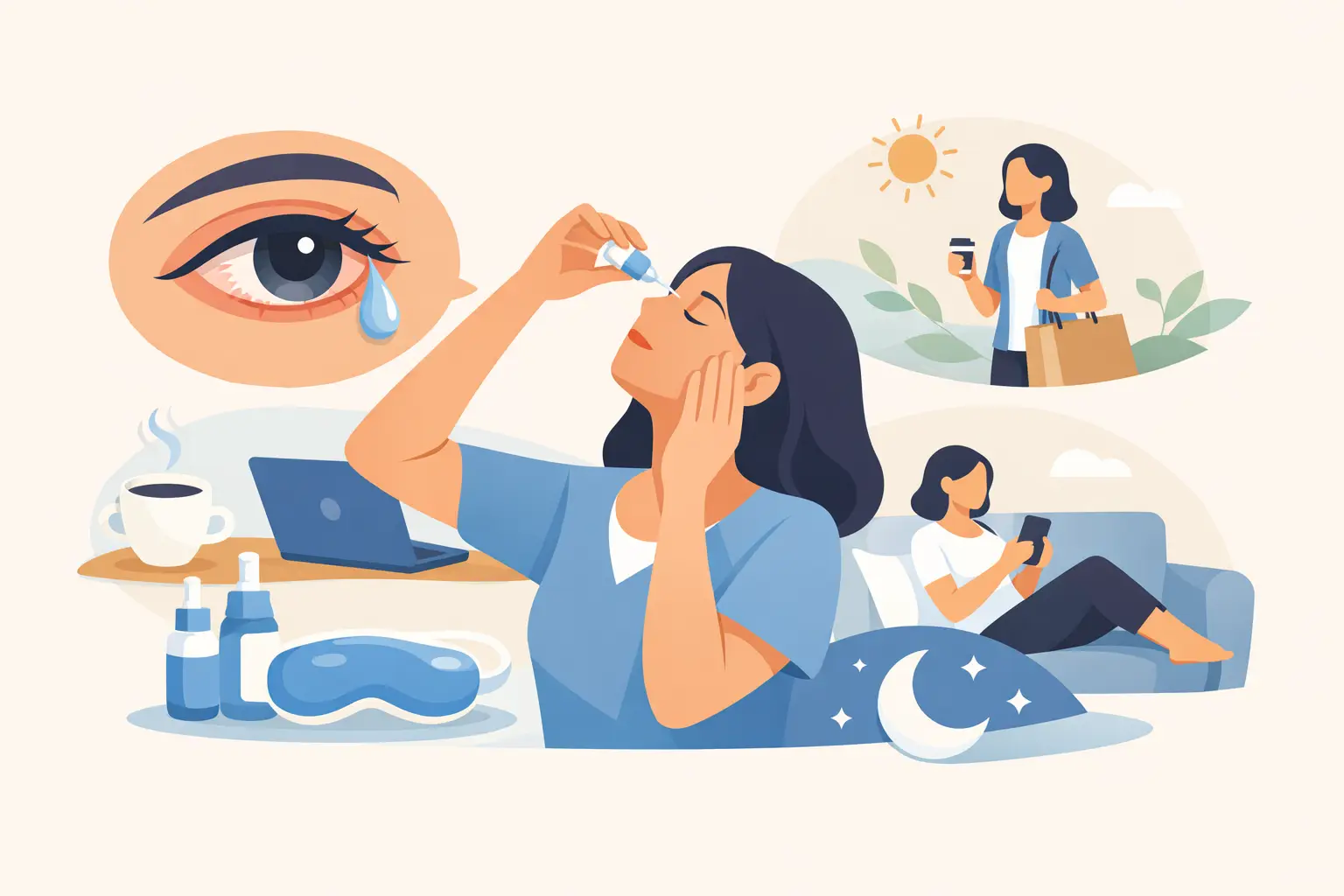
For occasional mild symptoms, a few simple habits can make your eyes feel more comfortable. The goal is to support your natural tear film, reduce irritation, and give the surface of your eyes a chance to recover.
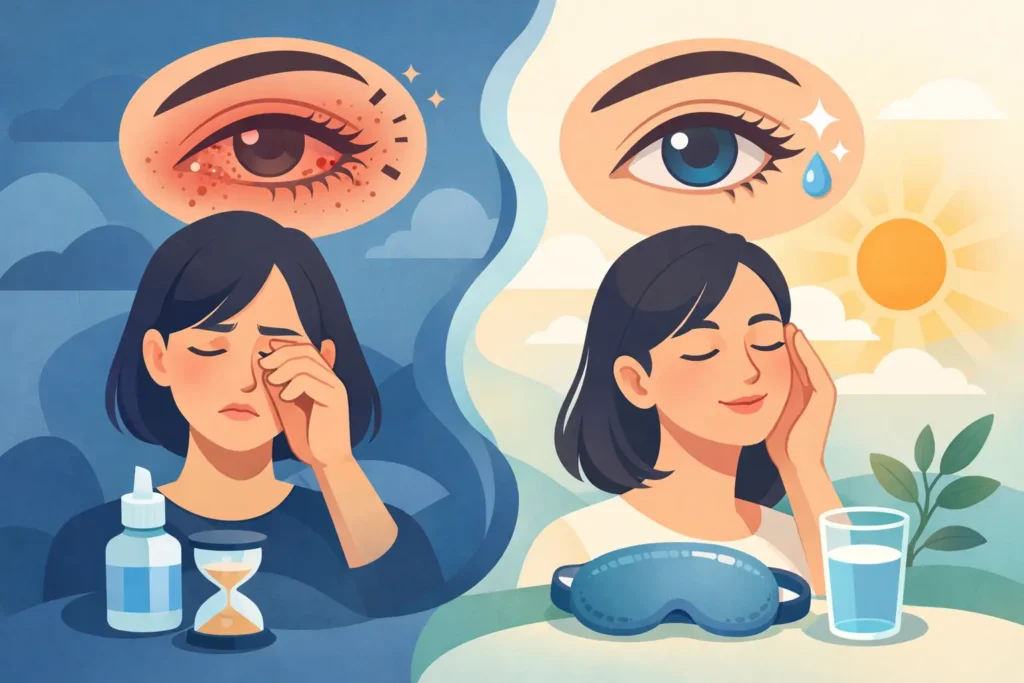
Start with preservative-free lubricating eye drops, often called artificial tears. These drops can add moisture and wash away small irritants without the ingredients found in many redness-relief products. Use them as directed on the package or as recommended by your eye doctor. If you need drops frequently, preservative-free options are often a more comfortable choice.
A warm, clean compress can also help, especially if your eyes feel gritty when you wake up or if your eyelids feel tender or crusty. Wet a clean washcloth with comfortably warm water, wring it out, and rest it over closed eyes for several minutes. The warmth can help soften oils along the eyelid margins, which support healthy tears. Follow with gentle eyelid hygiene if your optometrist has recommended it.
Just as helpful is giving your eyes a break from intense visual tasks. Screens lower how often we blink, and incomplete blinks can leave the eye surface exposed and dry. Try looking away from your screen regularly and blinking slowly and fully several times. Positioning your monitor slightly below eye level may also reduce how widely you hold your eyes open.
Your environment matters, too. Direct air from a car vent, fan, heater, or air conditioner can quickly worsen dryness. A humidifier can be useful during dry indoor months, while sunglasses that offer good coverage can protect your eyes from wind and dust outdoors. Drink water throughout the day, although hydration alone will not solve every dry eye concern.
Why Do Eyes Feel Gritty?
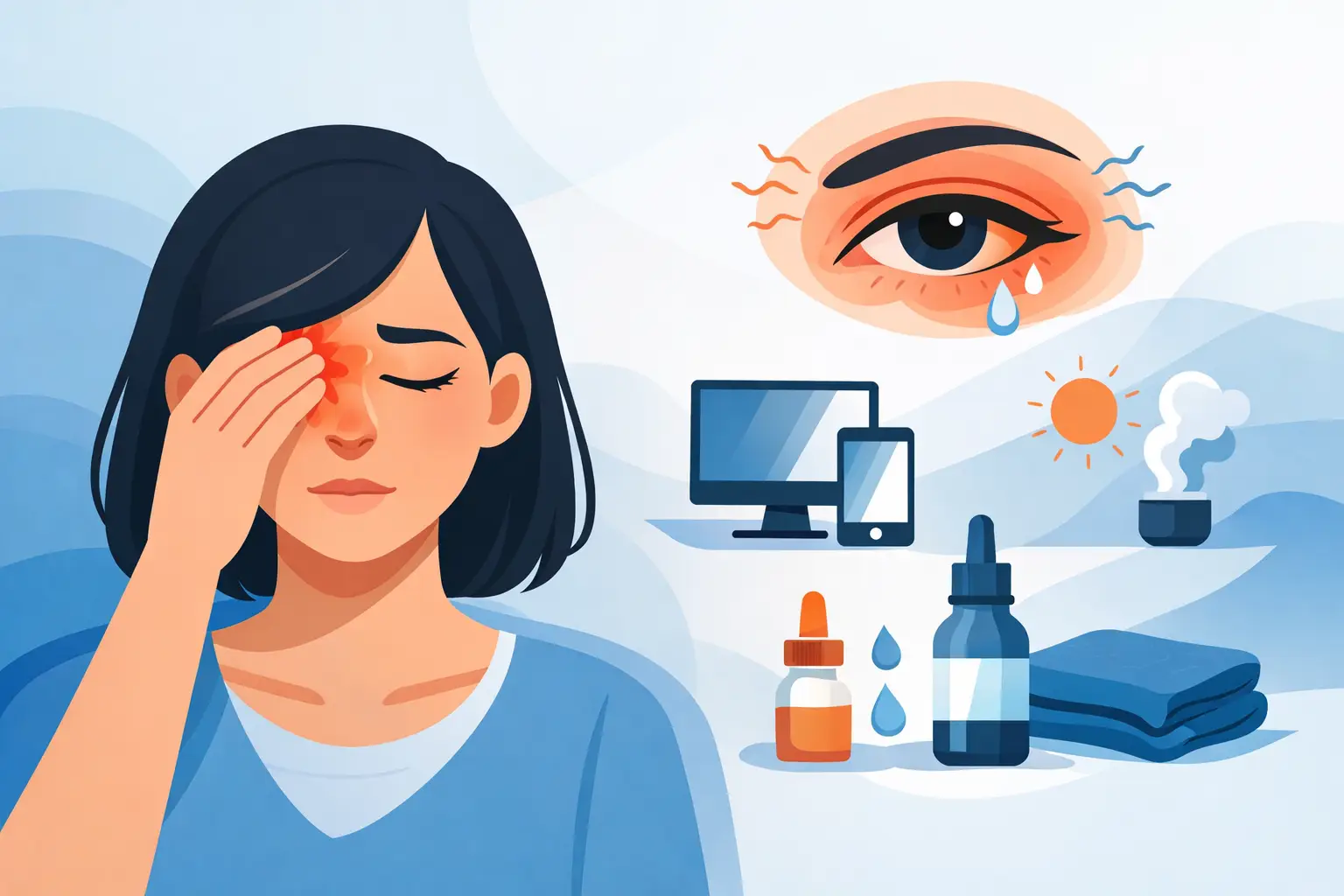
Dry eye disease is one of the most common reasons for a persistent foreign-body sensation. Your tears are more complex than water. They include layers that lubricate the eye, help tears spread evenly, and slow evaporation. When tears are not produced in sufficient quantity, evaporate too quickly, or are poor in quality, the eye surface can become dry and irritated.
Dry eye can happen at any age. It is more common with hormonal changes and as we get older, but many adults notice it because of long screen hours, air travel, certain medications, contact lens wear, or dry climates. It may also occur alongside health conditions that affect the body’s moisture-producing systems.
Sometimes the issue begins at the eyelids. Small oil glands along the lid margins help prevent tears from evaporating too fast. When these glands are blocked or not working well, people may experience burning, fluctuating vision, watery eyes, and that familiar gritty sensation. This is why watery eyes do not always mean your eyes have plenty of moisture. Tearing can be your eyes’ response to surface irritation.
Allergies can feel similar, although itching is often a stronger clue. Seasonal pollen, pet dander, dust, and other triggers may leave eyes itchy, red, and watery. Rubbing may feel tempting, but it can aggravate inflammation and make discomfort worse. A cool compress may be more soothing for itchiness, while a warm compress is generally more appropriate when eyelid oil glands are involved. The right approach depends on the cause.
Be Careful With Contact Lenses
Contact lenses should feel comfortable. If a lens suddenly feels scratchy, dry, or as though something is under it, remove it before trying to push through the discomfort. Wash and dry your hands first, then inspect the lens for damage, debris, or an inside-out edge. Never rinse lenses with tap water or wear them longer than their replacement schedule.
Do not put a contact lens back in an eye that remains painful, very red, light-sensitive, or blurry. These symptoms can occur with irritation, but they can also point to a corneal problem that needs prompt assessment. Wearing lenses while your eye is already inflamed can make matters worse.
If your eyes regularly feel gritty by the end of the day in contacts, your current lens material, fit, cleaning routine, or wearing schedule may need adjustment. There is no one best lens for everyone. An eye exam can help identify an option that better suits your tear film, prescription, and daily routine.
What to Avoid When Your Eyes Are Irritated
A few common responses can provide short-lived relief while creating a bigger problem. Avoid using redness-relief drops repeatedly unless your eye doctor has specifically advised them. Some can cause rebound redness and do not address the dryness or inflammation behind the symptoms.
Try not to rub your eyes, especially if you suspect allergies or have been outdoors in dusty conditions. Rubbing can further irritate the eye surface and may transfer particles from your hands. Skip eye makeup and contact lenses until significant irritation settles, and replace eye makeup if you have had an eye infection or it is past its recommended use period.
It is also wise not to self-treat ongoing symptoms with whatever drops happen to be in the medicine cabinet. Antibiotic, steroid, and medicated eye drops are not interchangeable, and some are not appropriate without an exam. Eye discomfort is common, but the reason behind it is not always obvious from symptoms alone.
When Gritty Eyes Need an Eye Exam
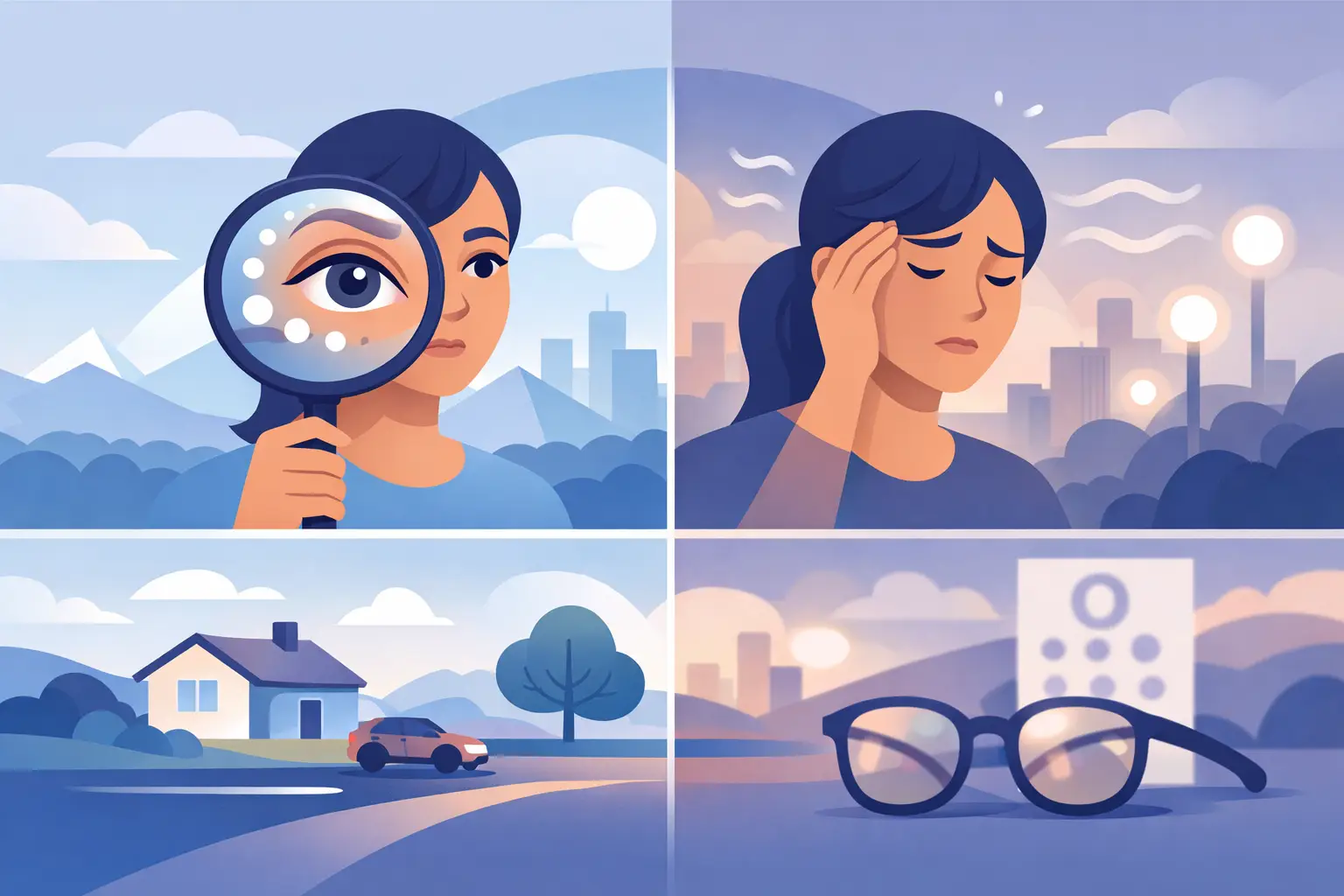
Mild dryness that improves with occasional lubricating drops and better screen habits may be manageable at home. But recurring grittiness is worth discussing during a comprehensive eye exam, particularly if it affects reading, driving, contact lens comfort, or your quality of sleep. Your optometrist can look at the tear film, eyelids, cornea, prescription, and other factors that may be contributing.
Personalized dry eye care may involve a more consistent home routine, targeted lid treatment, prescription therapy, changes to medications in coordination with your primary care provider, or recommendations for workplace and screen habits. The best plan depends on whether your main issue is low tear production, rapid evaporation, eyelid gland dysfunction, allergies, or a combination of causes.
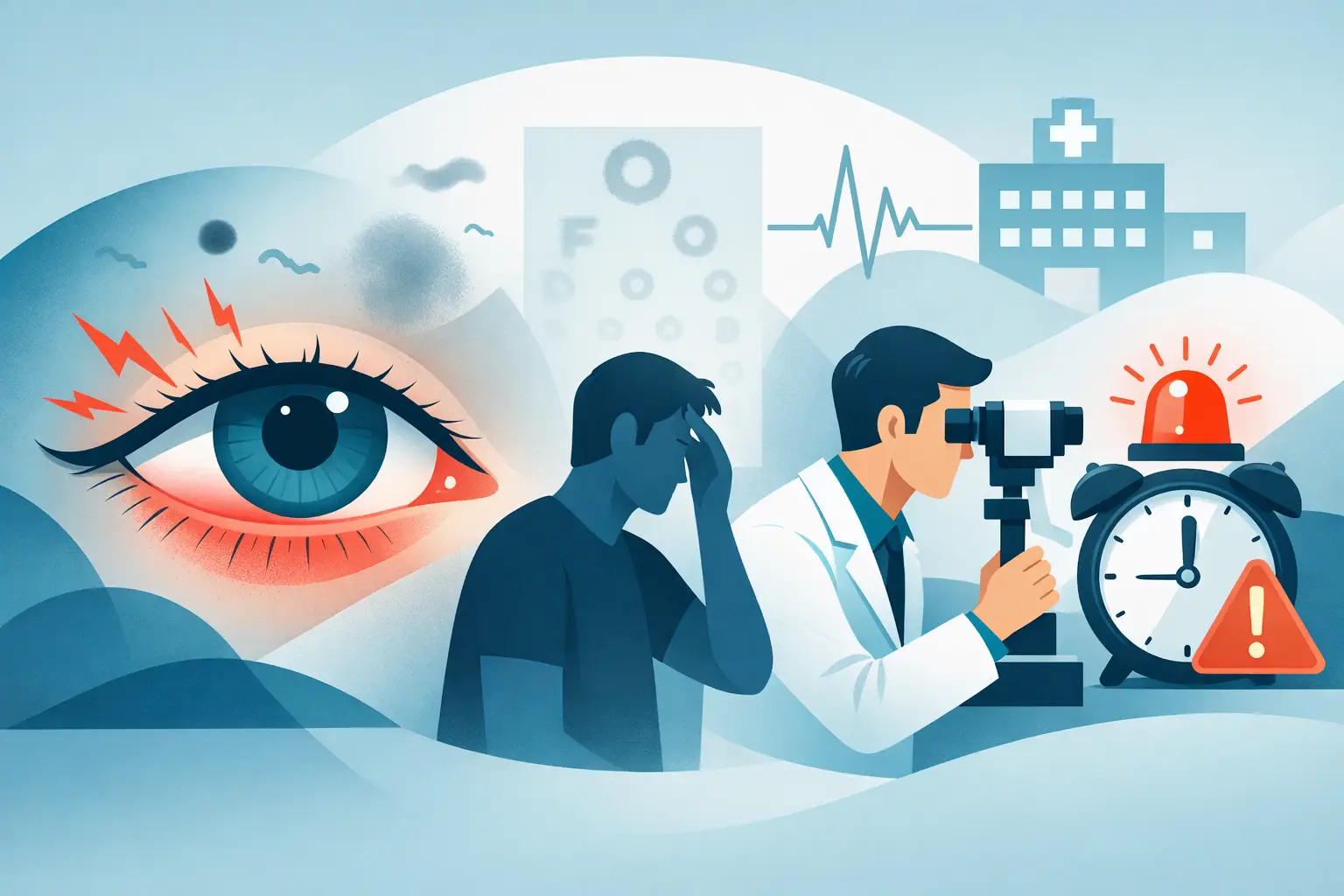
Some symptoms should be assessed urgently rather than watched at home. Seek prompt eye care for significant eye pain, sudden vision changes, marked light sensitivity, a chemical splash, a visible object in the eye, thick discharge, swelling around the eye, or a red and painful eye while wearing contact lenses. If you think something is embedded in your eye, do not try to remove it yourself.
Gentle, Consistent Care Makes a Difference
Gritty eyes are easy to dismiss as a minor annoyance, especially during busy weeks. Still, comfort is part of healthy vision. Keeping a brief note of when symptoms appear – morning, late in the day, after screens, outdoors, or with contacts – can give your eye doctor useful clues.
At 4 Eyes Optometry, dry eye concerns are approached with the same thoughtful attention as any other part of your vision care. When your eyes do not feel right, a calm conversation and a thorough assessment can help you move beyond temporary fixes toward more comfortable days.