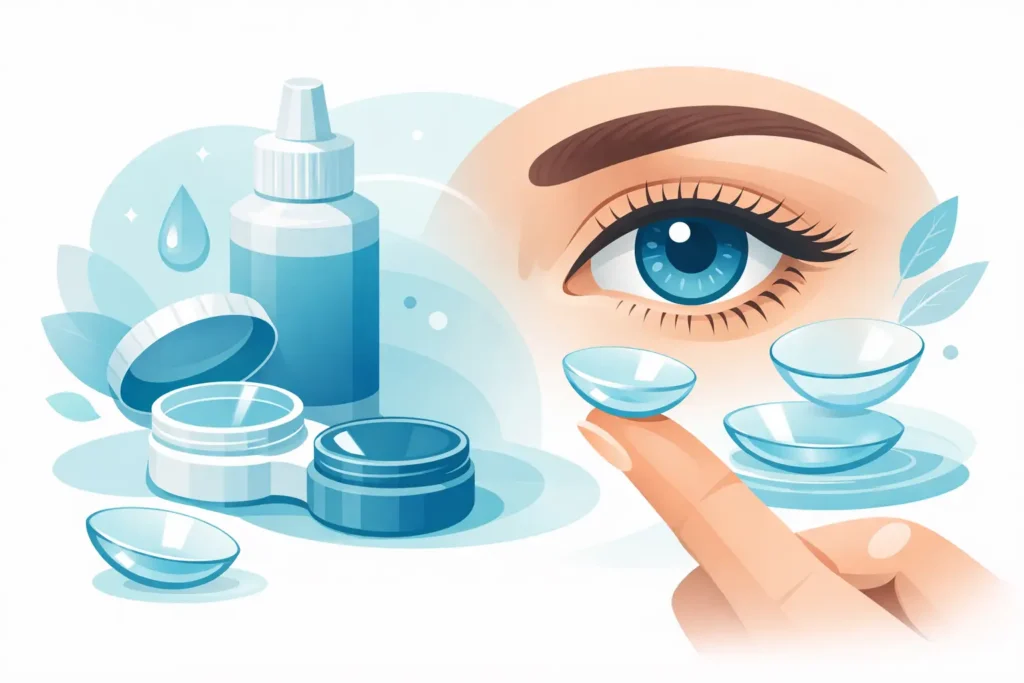
A contact lens prescription is more than a glasses prescription printed on a smaller piece of paper. The lens has to sit comfortably on the surface of your eye, keep your vision clear throughout the day, and work with your tear film. That is why learning how to choose contact lenses starts with a proper contact lens exam, not simply picking a brand or the lowest price.
The right lenses can make busy mornings easier, support an active lifestyle, and give you a glasses-free option when you want one. The wrong lenses can leave your eyes feeling dry, blurry, red, or tired. A little personalized guidance goes a long way toward making contact lens wear a comfortable part of your routine.
Start with a contact lens exam and fitting
Even if your glasses prescription is current, you still need a contact lens fitting. Contacts rest directly on the eye, so your optometrist needs additional measurements to determine the appropriate lens diameter, base curve, material, and power. During the fitting, they will also evaluate the health of your cornea, eyelids, and tear film.
This step matters because two people with the same glasses prescription may need very different contact lenses. The curve of the eye, the amount of astigmatism, whether your eyes tend to feel dry, and how long you plan to wear lenses all affect the recommendation.
A fitting is also a chance to talk honestly about your everyday vision needs. Do you spend long hours at a computer? Do you play sports, work outdoors, drive at night, or find close-up reading more difficult than it used to be? Your answers help your optometrist recommend lenses that fit your life, not just the numbers on your prescription.
How to choose contact lenses by wearing schedule
Your preferred replacement schedule is one of the biggest decisions. There is no single best option for everyone. The best choice is the one you can wear comfortably and care for consistently.
Daily disposable lenses
Daily disposable lenses are worn once and discarded at the end of the day. They are a popular option for people who value convenience, have allergies, experience occasional dryness, or do not want to manage a cleaning routine. A fresh lens every morning can reduce the buildup of deposits such as protein, makeup, and pollen.
They can also be a practical choice for part-time wearers. If you mainly use contacts for workouts, events, travel, or weekends, daily lenses mean you do not need to keep an opened lens case and solution on hand. The trade-off is that the per-lens cost may be higher than reusable options, particularly for full-time wear.
Biweekly or monthly lenses
Reusable lenses are designed to be replaced on a set schedule, often every two weeks or every month. They may suit patients who wear contacts most days and prefer a lower upfront supply cost. However, they require reliable habits: removing them as directed, rubbing and rinsing them with the recommended solution, using a clean case, and replacing that case regularly.
A reusable lens only remains a good value if it is cared for properly. Sleeping in lenses that are not approved for overnight wear, topping off old solution, or stretching replacement dates can increase the risk of irritation and infection. If you know that a complicated routine is likely to get skipped on a busy night, daily disposables may be the more comfortable and safer fit.
Choose a lens material that supports comfort
Most modern soft contact lenses are made with silicone hydrogel or hydrogel materials. Silicone hydrogel lenses allow more oxygen to reach the cornea, which can be helpful for people who wear lenses for longer days. But oxygen transmission is only one part of comfort. Some eyes feel better in a different material, depending on their tear quality, sensitivity, and lens fit.
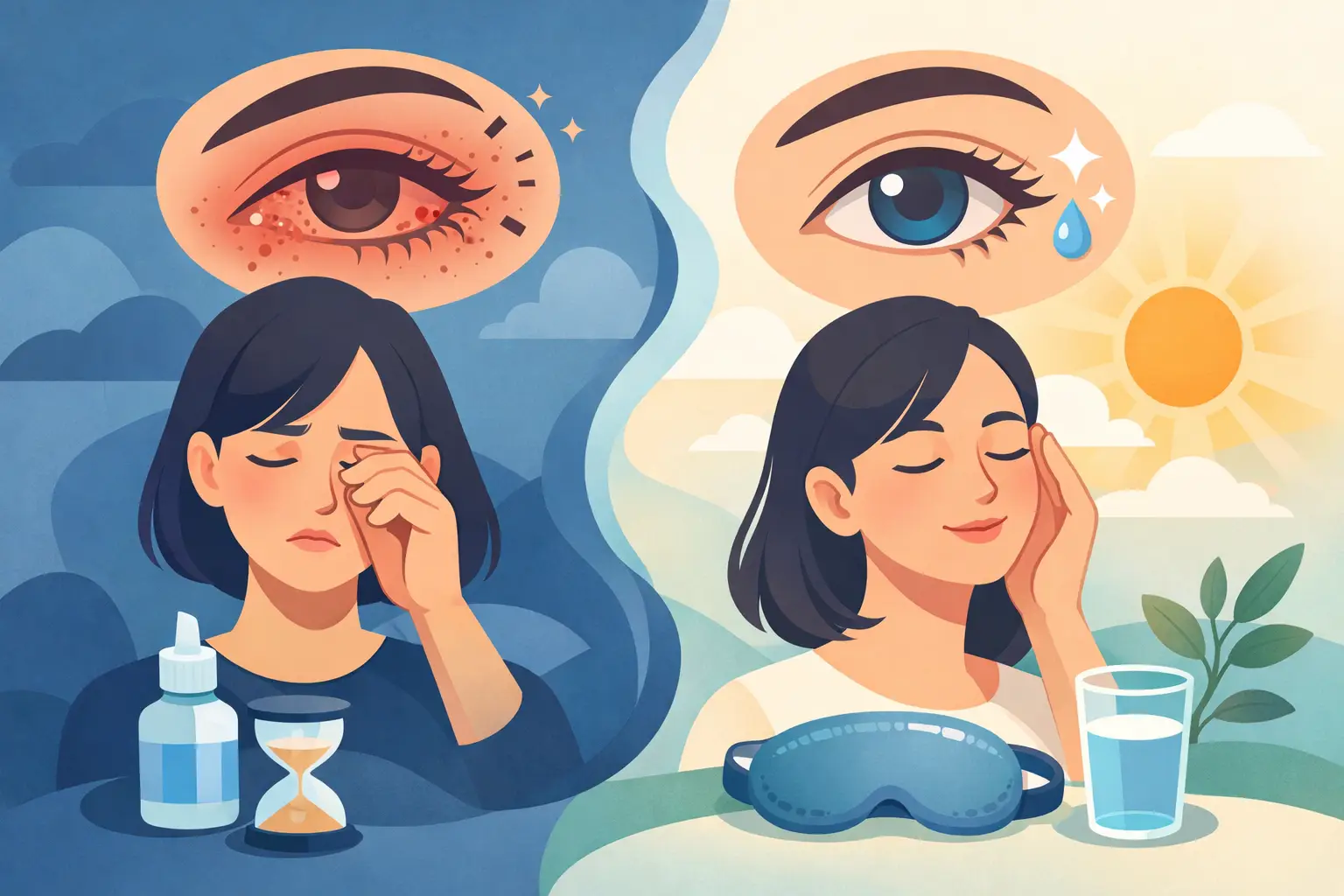
If your lenses begin feeling dry by afternoon, do not assume you simply have to tolerate it. Dryness may be related to the lens material, lens replacement schedule, screen use, medications, seasonal allergies, or an underlying dry eye condition. Your optometrist can assess the cause and recommend changes that make sense, which may include a different lens, lubricating drops approved for contacts, or dry eye treatment.
Comfort should feel consistent. A lens that feels fine for the first two hours but becomes scratchy or blurry every evening is giving useful information about what your eyes need.
Make sure your vision needs are fully addressed
Contact lenses can correct more than basic nearsightedness or farsightedness. The key is choosing a design matched to your prescription and visual priorities.
If you have astigmatism, toric contact lenses are designed to stay in a stable position on the eye. This helps keep vision clear rather than shifting in and out of focus with each blink. Proper fit is especially important with toric lenses, so a follow-up evaluation helps confirm that the lens is settling in the right position.
If close-up tasks have become more challenging, multifocal contact lenses may help you see at multiple distances. They can be a helpful option for reading messages, working on a computer, and seeing across the room without constantly reaching for reading glasses. Multifocal vision often involves a short adjustment period, and some people still prefer readers for very small print or long periods of detailed close work. That is normal, and it is worth discussing your expectations during the fitting.
There are also contact lens options for people who need different prescriptions in each eye, have very strong prescriptions, or want lenses that change eye color. Cosmetic lenses still require a prescription and professional fitting. A lens that changes your look should never compromise your eye health.
Be realistic about your lifestyle and habits
The best lens on paper is not always the best lens for your routine. Consider when and where you plan to wear contacts. Someone who spends hours in air-conditioned offices and on screens may prioritize moisture and comfort. A skier, runner, or parent juggling active family days may value the freedom of daily lenses. Someone who frequently travels may appreciate not packing bottles of solution.
Your work environment matters, too. Dusty, smoky, or chemical-heavy settings can make contact lens wear less comfortable. In some situations, prescription safety eyewear or glasses may be the better choice. Contacts are flexible, but they do not need to be your only vision solution.
It is also wise to keep an updated pair of glasses. Eyes can become irritated, allergies can flare, and illness can make lens wear uncomfortable. Having glasses available gives your eyes a break when they need one.
Follow-up care protects your eyes
A contact lens fitting is not a one-time purchase. Your optometrist may schedule a follow-up visit after you have worn the trial lenses in your normal routine. This is where you can share practical details: whether vision is clear while driving at night, whether the lenses stay comfortable at work, and whether you notice dryness, redness, or fluctuating vision.
Annual comprehensive eye exams remain essential, even when your contacts feel great. They allow your eye doctor to monitor changes in your prescription and look for early signs of dry eye, corneal irritation, glaucoma, cataracts, and other concerns that may not cause obvious symptoms right away.
Remove your lenses and contact an eye care professional promptly if you have pain, significant redness, light sensitivity, discharge, sudden blurred vision, or the feeling that something is stuck in your eye. Do not try to push through discomfort or wear a fresh lens over an irritated eye.
A comfortable choice should feel personal
Choosing contact lenses is not about finding the most popular brand. It is about finding a lens that fits your eyes, your prescription, and the way you actually live. At 4 Eyes Optometry, that conversation is part of making eye care feel personal, calm, and clear.
A well-fitted lens should support your day without demanding your attention. When your vision feels clear and your eyes feel comfortable, you can focus on the people, plans, and moments in front of you.