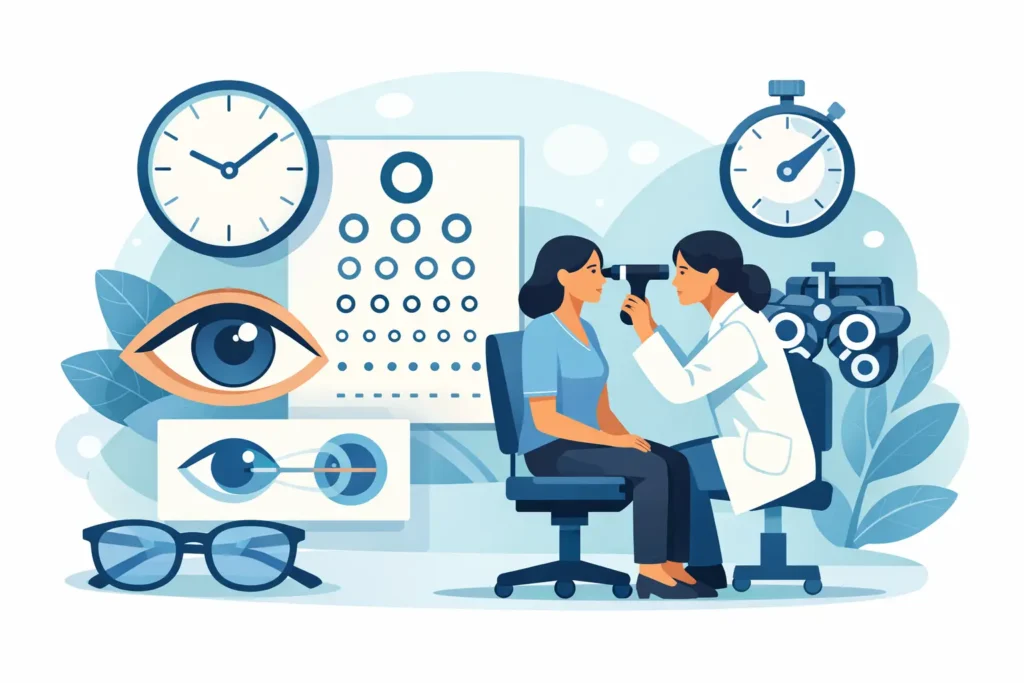
If you are trying to fit an appointment into a workday, school pickup, or a packed family calendar, one of the first questions you will ask is how long do comprehensive eye exams take. The short answer is that most comprehensive eye exams take about 45 to 90 minutes. The more helpful answer is that your timing depends on who the exam is for, what symptoms you are having, whether your prescription has changed, and if any extra testing is needed.
For many patients, that range feels very manageable once they understand what actually happens during the visit. A comprehensive eye exam is not just a quick prescription check. It is a closer look at how well you see, how your eyes are working together, and whether there are early signs of eye disease or other health concerns that can affect vision.
How long do comprehensive eye exams take for most patients?
For a routine visit with no major concerns, many patients are in the clinic for under an hour. If you are coming in for a full check of vision and eye health, especially if it has been a while since your last exam, it is smart to allow up to 90 minutes so you do not feel rushed.
That time usually includes a few different parts of care. You may spend a few minutes reviewing your health history and current symptoms, then move through pre-testing, the exam itself, and a conversation about results. If you are also updating glasses or contact lenses, that can add a little more time.
Children, seniors, and patients with ongoing eye health conditions may need longer visits. That is not a bad sign. It usually means your care is being tailored to your needs rather than treated like a one-size-fits-all appointment.
What happens during a comprehensive eye exam?
A full eye exam is made up of several steps, and each one serves a purpose. Some parts are focused on vision clarity, while others are checking overall eye health.
Health history and symptom review
Your appointment often begins with a conversation. You may be asked about headaches, dry eyes, blurry vision, floaters, trouble reading, trouble driving at night, medications, family eye history, and general health conditions like diabetes or high blood pressure.
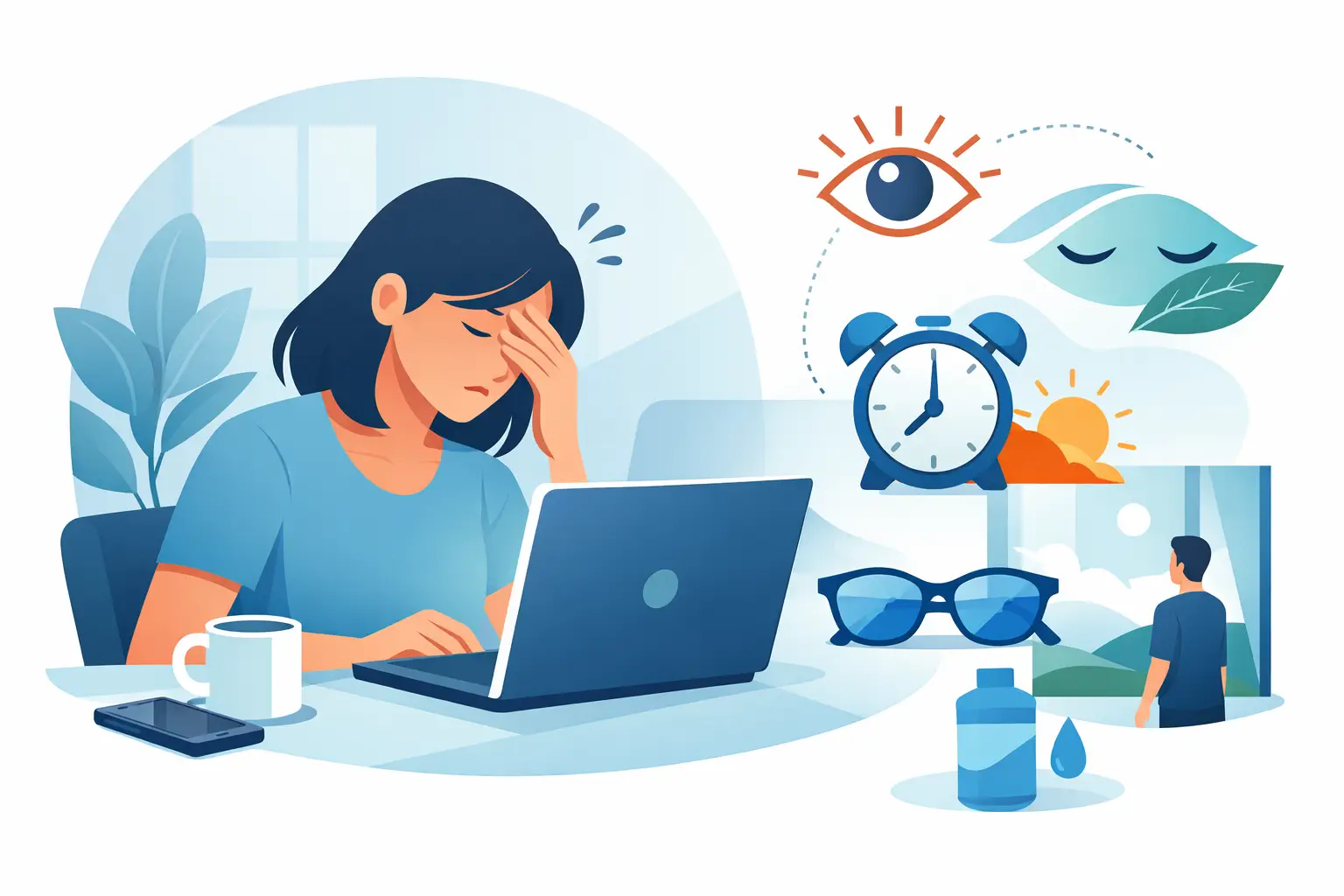
This part may seem simple, but it helps guide the rest of the exam. If your eyes feel tired at the computer, your testing may focus more closely on strain and focusing. If you have flashes or sudden changes in vision, the doctor may need a more urgent or detailed medical evaluation.
Pre-testing
Before you see the optometrist, there may be a few measurements taken by a team member. These can include checking your current prescription, measuring eye pressure, testing peripheral vision, and taking images or scans of the eye.
Some clinics use advanced imaging as part of routine preventive care. That can add a few minutes, but it can also provide a clearer baseline for tracking subtle changes over time.
Vision testing and refraction
This is the part most people think of first. It includes reading an eye chart and fine-tuning your prescription to see whether glasses or contact lenses need to be updated.
If your prescription is straightforward, this section can move quickly. If your vision fluctuates, your eyes are dry, or you are noticing trouble at certain distances but not others, it may take longer to get an accurate result.
Eye health evaluation
Your optometrist will examine the front and back of your eyes, looking for signs of conditions such as cataracts, glaucoma, macular degeneration, retinal changes, or inflammation. This is one of the most important reasons comprehensive exams matter, even when you feel your vision is fine.
Many eye conditions develop gradually and quietly. Catching them early often means more treatment options and better long-term outcomes.
Discussion and recommendations
At the end of the exam, you should leave with a clear understanding of what was found and what comes next. That may mean a new glasses prescription, contact lens advice, dry eye treatment, follow-up testing, or simply reassurance that your eyes are healthy.
This conversation is part of the appointment, not an extra. Good care should feel informative, personal, and easy to follow.
What can make an eye exam take longer?
The biggest factor is complexity. If your eyes are healthy, your prescription is stable, and you are not having symptoms, your appointment may stay closer to the 45-minute mark. If there is more to assess, your visit may naturally stretch longer.
One common reason is dilation. Dilating eye drops help the doctor get a better view inside the eye, especially the retina and optic nerve. The drops themselves work fairly quickly, but there is usually a waiting period while your pupils open. That can add 15 to 30 minutes to the visit. Your vision may also stay blurry for a few hours afterward, particularly for reading and bright light.
Another reason is additional testing. If eye pressure is elevated, if the optic nerve looks suspicious, or if there are signs of retinal concerns, more imaging or follow-up measurements may be recommended the same day. This is time well spent. It allows concerns to be investigated properly instead of brushed aside.
Contact lens exams can also take longer than glasses-only visits. In addition to checking vision and eye health, the doctor may need to evaluate lens fit, discuss comfort, and make changes based on your lifestyle or dryness symptoms.
How long do comprehensive eye exams take for kids and seniors?
Age can change the pace of an exam, but usually for good reason.
Children
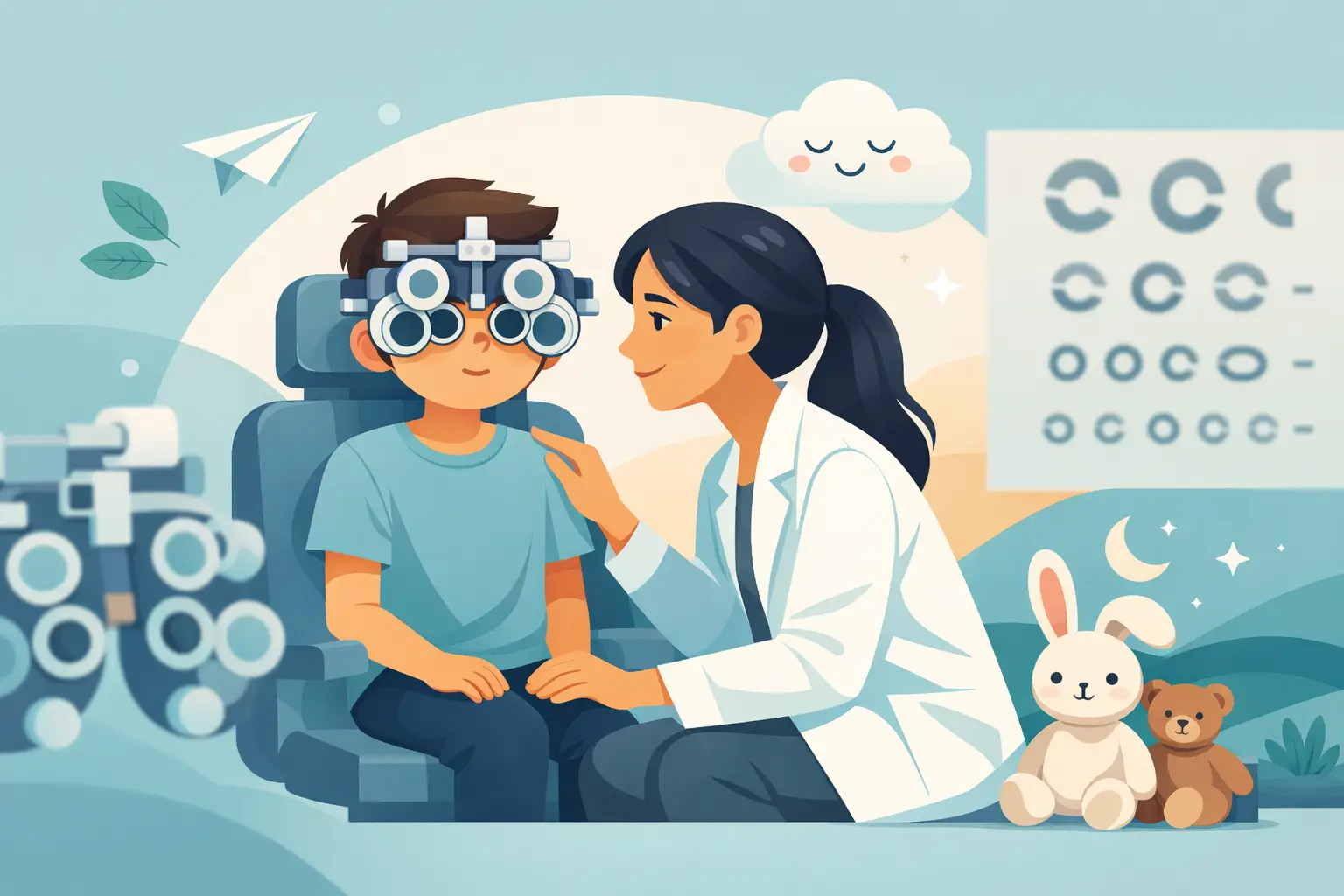
Kids’ eye exams are often very efficient, but they can still take close to an hour, especially for younger children or first-time visits. Pediatric exams are adapted to a child’s age and attention span. The doctor may assess eye teaming, focusing, depth perception, and visual development in ways that feel comfortable and approachable.
For parents, it helps to know that a child does not need to read perfectly or sit still like an adult for the exam to be valuable. A good pediatric visit is paced with patience.
Seniors
Older adults may need more time because age-related changes in vision and eye health become more common. Cataracts, dry eye, glaucoma risk, macular changes, medication effects, and systemic health conditions can all play a role.
That does not mean every senior exam is complicated. It simply means a thorough visit may include more discussion, more careful monitoring, or more testing to protect long-term vision.
How to make your eye exam smoother
A little preparation can make the visit feel easier and sometimes shorter.
Bring your current glasses, contact lenses, and a list of medications. If you have vision insurance or health information to share, having that ready helps too. Try to note any specific symptoms before the appointment, even if they seem minor. When did the problem start? Is it worse at night, on screens, or while reading? Those details can be surprisingly helpful.
If there is a chance your eyes will be dilated, consider whether you want someone else to drive, especially if you are sensitive to bright light or have a long drive afterward. Sunglasses are a good idea.
And if you are bringing a child, a small snack, a favorite toy, or simply choosing a time of day when they are usually well-rested can make the experience more relaxed.
Why the time is worth it
It is easy to think of an eye exam as something you squeeze in only when your glasses feel off. But comprehensive care offers much more than a prescription. It creates a record of your eye health over time, helps catch issues before they become bigger problems, and gives you a chance to talk through changes in comfort, vision, or daily habits.
That proactive approach is especially valuable for busy families and adults who want dependable care without feeling shuffled through a rushed appointment. At a practice like 4 Eyes Optometry, the goal is not just to get you in and out. It is to make sure you feel cared for, informed, and confident about what your eyes need next.
If you have been putting off an appointment because you assumed it would take half the day, the reality is usually much simpler. Most comprehensive eye exams fit comfortably into a normal schedule, and the peace of mind afterward tends to last a lot longer than the visit itself.