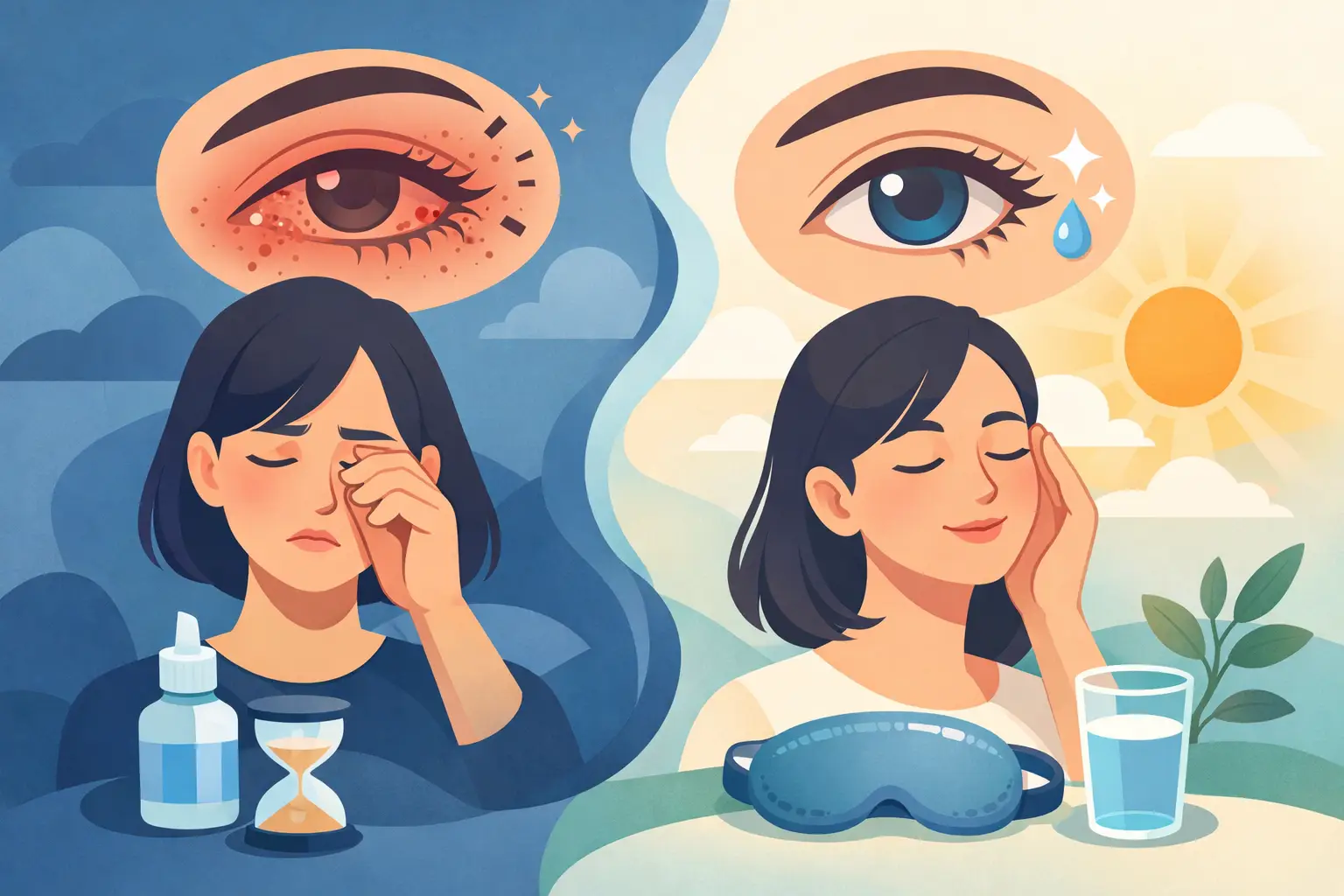
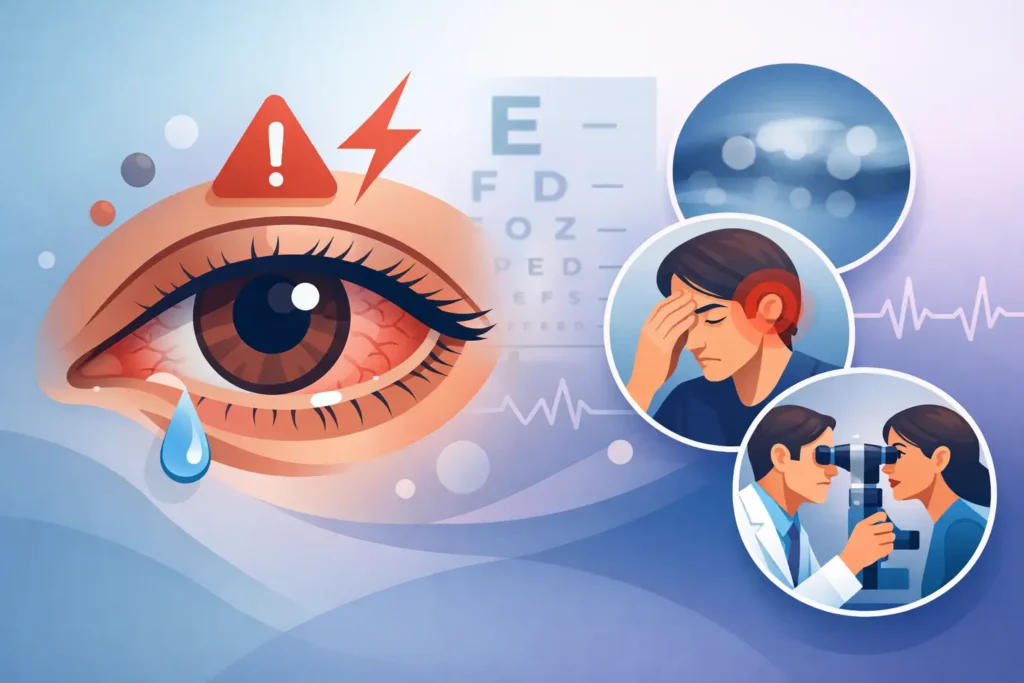
A sudden change in your vision can turn an ordinary day into a stressful one fast. This guide to urgent eye symptoms is here to help you tell the difference between something that can wait a day or two and something that needs same-day attention.
Some eye problems are uncomfortable but not dangerous. Others can threaten vision if treatment is delayed. The tricky part is that urgent symptoms do not always look dramatic. A few new floaters, one painful red eye, or blurred vision that seems to come out of nowhere can all be signs that your eye needs prompt care.
Why urgent eye symptoms should never be ignored
Your eyes are delicate, and some conditions progress quickly. Problems involving the cornea, retina, eye pressure, or internal inflammation can worsen in hours, not weeks. Early treatment often means simpler care, better comfort, and a better chance of protecting your sight.
That does not mean every symptom is an emergency. It does mean sudden or unusual changes deserve attention, especially if they affect one eye, come with pain, or clearly change how well you can see. If you are unsure, it is usually safer to call and ask than to wait and hope it passes.
A practical guide to urgent eye symptoms
The most urgent symptoms are usually the ones that are new, sudden, painful, or tied to vision loss. If you notice any of the following, it is a good idea to seek same-day eye care.
Sudden vision loss or a major drop in vision
If your vision becomes blurry all at once, goes dark in part of your visual field, or drops sharply in one or both eyes, do not brush it off. Some people describe this as a curtain, shadow, gray patch, or sudden fog over their sight. Others notice they simply cannot read, drive, or focus the way they could earlier that day.
This can happen for different reasons. Sometimes the cause is related to the retina, the clear front surface of the eye, bleeding inside the eye, or a serious pressure problem. Occasionally the source is not the eye itself but something vascular or neurological, which is another reason prompt evaluation matters.
Flashes, new floaters, or a curtain in your vision
A few long-standing floaters are common and often harmless. What is more concerning is a sudden shower of new floaters, brief flashes of light, or the feeling that part of your side vision is being blocked.
These symptoms can point to a retinal tear or detachment. Not every floater means something serious, but when the change is sudden, the safest approach is to have it checked quickly. Timing matters here because some retinal problems are easier to treat before they spread.
Eye pain, especially with redness or light sensitivity
Eyes can feel irritated for simple reasons like dryness or allergies, but true eye pain deserves more respect. Pain that is deep, sharp, throbbing, or paired with redness, blurred vision, nausea, or sensitivity to light can signal a more serious condition.
That might include a corneal injury, infection, inflammation inside the eye, or increased eye pressure. The amount of pain does not always match the seriousness of the problem, so even moderate pain is worth evaluating if it is new or unexplained.
A red eye that is not acting like routine irritation
A mildly red eye from allergies or tiredness is common. A red eye that is painful, affecting vision, producing significant discharge, or limited to one side can be a different story.
Pink eye is one possibility, but not all red eyes are simple infections. Corneal ulcers, internal inflammation, and pressure-related problems can also cause redness. Contact lens wearers should be especially careful, since a painful red eye in a contact lens user can become serious quickly.
Light sensitivity that feels out of proportion
If normal indoor light suddenly feels harsh, or you find yourself unable to keep the eye open comfortably, pay attention. Light sensitivity can happen with corneal scratches, infections, inflammation, or other urgent issues.
This is one of those symptoms that is easy to underestimate because it sounds vague. When it appears suddenly and comes with redness, pain, or blurred vision, it deserves prompt care.
Eye injuries and foreign bodies
If something hits your eye, scratches it, or gets stuck in it, do not assume it will settle on its own. Metal, wood, dust, chemicals, and high-speed debris all create different risks. Even a small scratch can be very painful, and some injuries are deeper than they appear.
Chemical exposure is especially time-sensitive. The first step is immediate flushing with plenty of clean water, then urgent medical assessment. With trauma, it is best not to rub the eye or try to dig anything out yourself.
Double vision
Seeing two images instead of one can come from a few causes, some eye-related and some not. If double vision is new, constant, or paired with drooping eyelid, headache, weakness, or other sudden changes, it should be checked right away.
Sometimes this symptom is temporary and less serious, but sometimes it points to a nerve, muscle, or neurological issue. That is why timing and context matter so much.
Symptoms that can seem minor but still need prompt care
Not every urgent problem comes with dramatic pain. A scratched cornea may feel like there is something in the eye that will not wash out. An eye infection may start with watering and mild blur before getting much worse. A contact lens complication can begin as irritation and become vision-threatening if bacteria are involved.
Children also do not always explain symptoms clearly. If a child keeps one eye closed, avoids light, rubs one eye constantly, complains of blur, or has a red eye after an injury, it is worth taking seriously.
When it may be appropriate to seek emergency care
An optometrist can manage many urgent eye issues, but there are times when emergency medical care is the better next step. If an eye symptom comes with severe headache, facial drooping, weakness, trouble speaking, significant trauma, or sudden complete vision loss, emergency evaluation is important.
The same is true for chemical burns, penetrating injuries, or symptoms after a serious accident. In those situations, speed matters more than convenience.
What to do while you are waiting to be seen
A calm first step can prevent things from getting worse. If you are dealing with a possible urgent eye problem, avoid rubbing the eye. Take out contact lenses unless you have been told not to. Skip leftover antibiotic drops or someone elses medication, since the wrong treatment can mask symptoms or irritate the eye further.
If the problem followed an injury, note what happened and when. If you suddenly developed flashes or floaters, think about whether they started all at once or have been increasing. Those details help your eye doctor decide how quickly the problem needs treatment.
For chemical exposure, flush first and ask questions second. For trauma, protect the eye and avoid pressure. For pain or blur without injury, same-day guidance is usually the right move.
Why same-day assessment matters
One of the hardest parts of eye symptoms is that very different problems can feel surprisingly similar. Redness could be dryness, or it could be a corneal ulcer. Blurred vision could be a temporary surface issue, or it could involve the retina. A headache with eye pain might be simple strain, or something more urgent.
That is why self-diagnosing online only goes so far. A proper eye assessment looks at the front and back of the eye, checks pressure when needed, and helps sort out whether the issue is minor, urgent, or part of a bigger health concern. The goal is not just to treat symptoms but to protect long-term vision.
At 4 Eyes Optometry, urgent medical eye care is part of caring for patients as people, not just appointments on a schedule. When something feels off, having a trusted clinic that knows your history can make a stressful situation feel much more manageable.
Trust your instincts if something feels wrong
Most people know when an eye symptom feels different from ordinary irritation. If your vision changes suddenly, one eye becomes painful or very red, or something just does not seem right, it is worth acting on that feeling. Quick care can bring peace of mind, and in some cases, it can make all the difference for your sight.
If you ever find yourself wondering whether to wait or get help, choosing to ask is usually the kinder choice for yourself and your eyes.