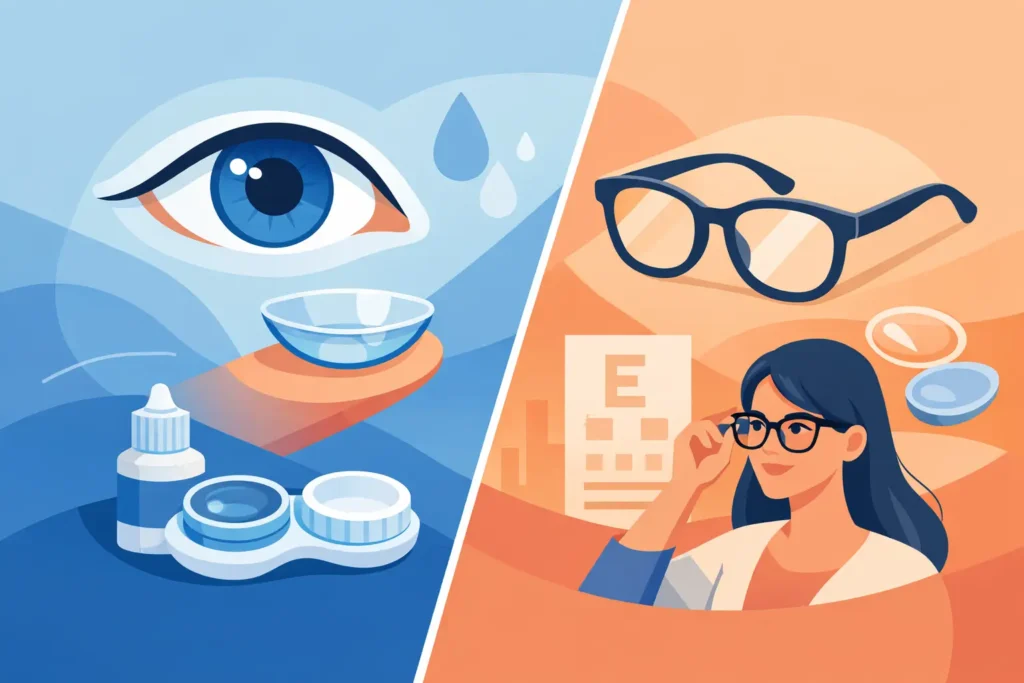
A clear prescription is only part of the decision. When patients ask about contact lenses versus glasses, they are often really asking which option will feel better during a long workday, a school morning, a workout, or a quiet evening at home. The right answer is personal, and it can change as your eyes, schedule, and visual needs change.
Both glasses and contact lenses can provide excellent vision correction. The best choice depends on your prescription, eye health, comfort, daily routines, and the kind of care you are comfortable maintaining. Many people also find that having both gives them the most flexibility.
Contact Lenses Versus Glasses: The Everyday Difference
Glasses sit comfortably outside the eye, are easy to put on and remove, and make a style statement all their own. They are a practical choice for people who want straightforward vision correction without a daily lens-care routine. A well-fitted pair can also offer reliable visual clarity for reading, computer work, driving, and everyday tasks.
Contact lenses sit directly on the eye, giving many wearers a wider field of view and a more natural feeling during active moments. They do not fog up when you step indoors from cold weather, and they stay in place while you move. For sports, outdoor activities, special occasions, or simply wearing sunglasses without prescription lenses, contacts can be especially convenient.
Neither option is automatically better. Glasses may suit someone with dry, irritated eyes or a schedule that leaves little room for lens care. Contacts may be a great fit for someone who values freedom of movement, prefers an unobstructed view, or does not enjoy the feeling of frames on their face.
Why Glasses May Be the Better Fit
Glasses are often the simplest place to start, particularly for children, first-time prescription wearers, and people with sensitive or dry eyes. There is no need to touch the surface of the eye, and there is less day-to-day maintenance beyond keeping lenses clean and storing them safely.
They can also be a very effective option for more complex prescriptions. Progressive lenses, for example, can help adults who need support for both near and far vision without switching between separate pairs. Specialty lens designs and protective coatings can address glare, screen use, light sensitivity, and outdoor conditions.
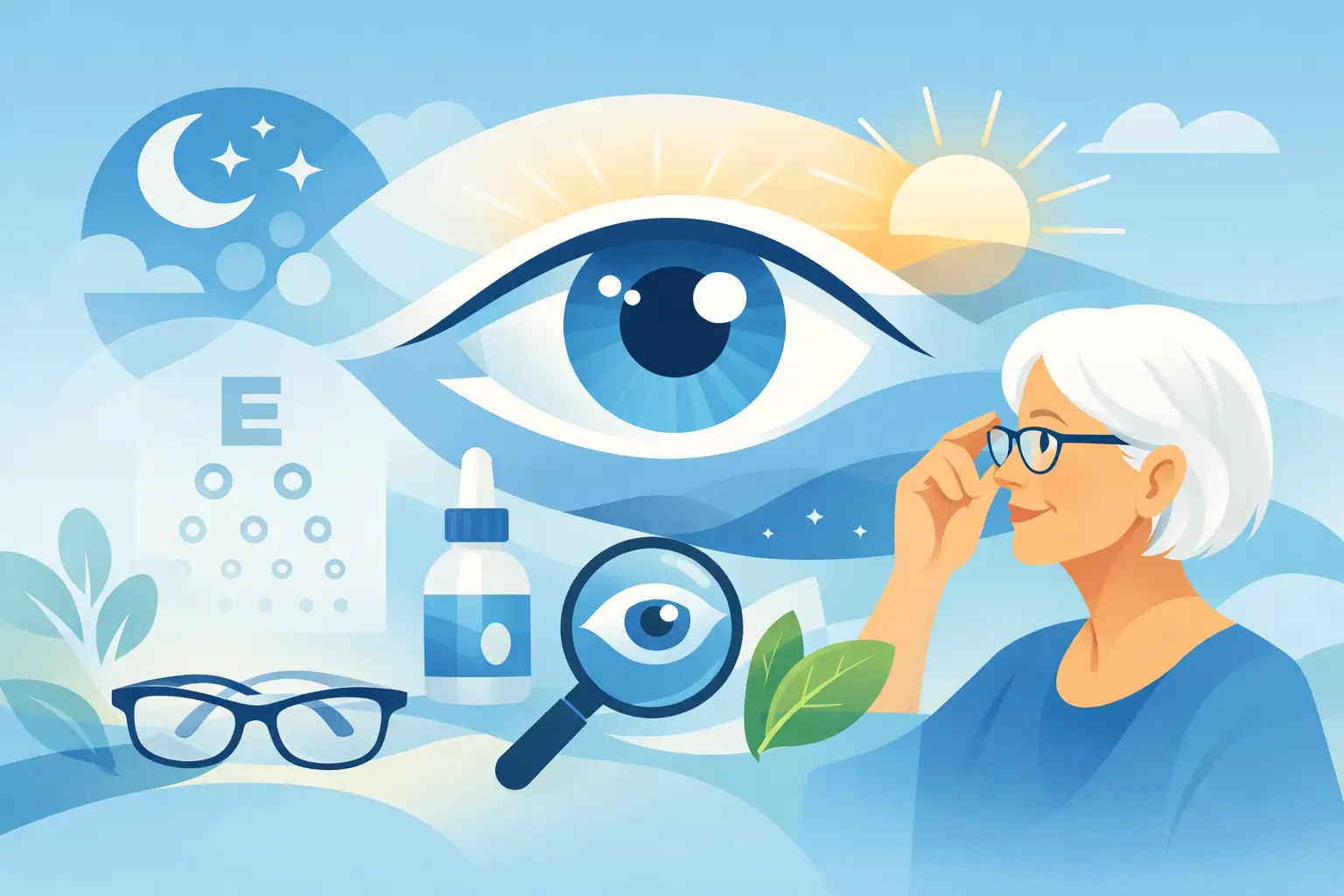
Glasses provide an easy visual cue, too. You put them on when you need correction and take them off when you do not. For younger children, that simplicity can make the routine more manageable for parents. For seniors, glasses may be easier to handle than small contact lenses, especially if dexterity is a concern.
The trade-offs are familiar. Frames can slide down the nose, collect raindrops, fog during temperature changes, or interfere with some helmets and protective equipment. Peripheral vision can feel more limited than it does with contacts, depending on the frame style and prescription. Still, the comfort and convenience of glasses make them a dependable everyday solution for many people.
Glasses can be especially helpful for dry eye
If your eyes often feel gritty, tired, watery, or sensitive to wind and air conditioning, glasses may be more comfortable than contact lenses. Contact lens wear can sometimes make dryness more noticeable, particularly late in the day.
That does not always rule out contacts. Dry eye is common and treatable, but it deserves attention before pushing through discomfort. A comprehensive eye exam can help identify whether your symptoms relate to tear quality, screen habits, allergies, eyelid health, medications, or another concern.
When Contact Lenses Make Sense
Contact lenses can be an excellent choice for active adults, teens, and anyone who prefers not to wear frames throughout the day. Because the lens moves with your eye, vision often feels more natural at the edges of your view. This can be useful for sports, driving, presentations, and activities where clear peripheral vision matters.
Contacts also make it easier to wear non-prescription sunglasses, safety eyewear, ski goggles, or fashion frames. For people with high prescriptions or certain prescription differences between the eyes, contacts may offer visual benefits that glasses cannot match as easily.
Today’s contact lens options are more varied than many people realize. Daily disposable lenses are worn once and discarded, which can be a convenient, hygienic choice for busy schedules. Biweekly and monthly lenses are designed for repeated wear with proper cleaning and storage. There are also multifocal contacts for people who need help at more than one distance, as well as options for astigmatism and certain eye conditions.
The key is fit. A contact lens prescription is not the same as a glasses prescription. Your eye care provider considers the shape and surface of your eye, tear film, vision needs, and how the lens performs after you wear it. A proper contact lens fitting helps protect comfort, clarity, and eye health.
Contacts require a healthy routine
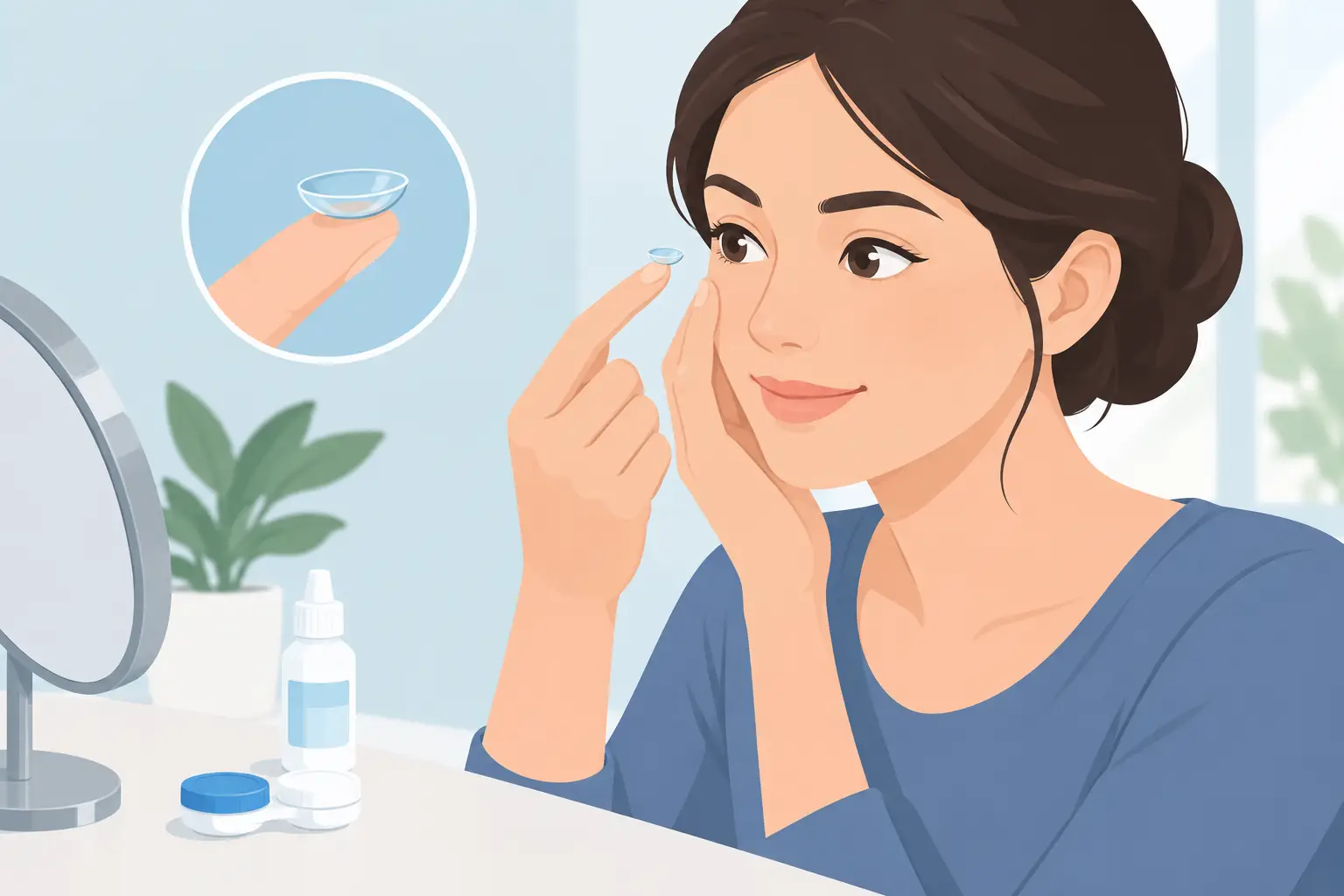
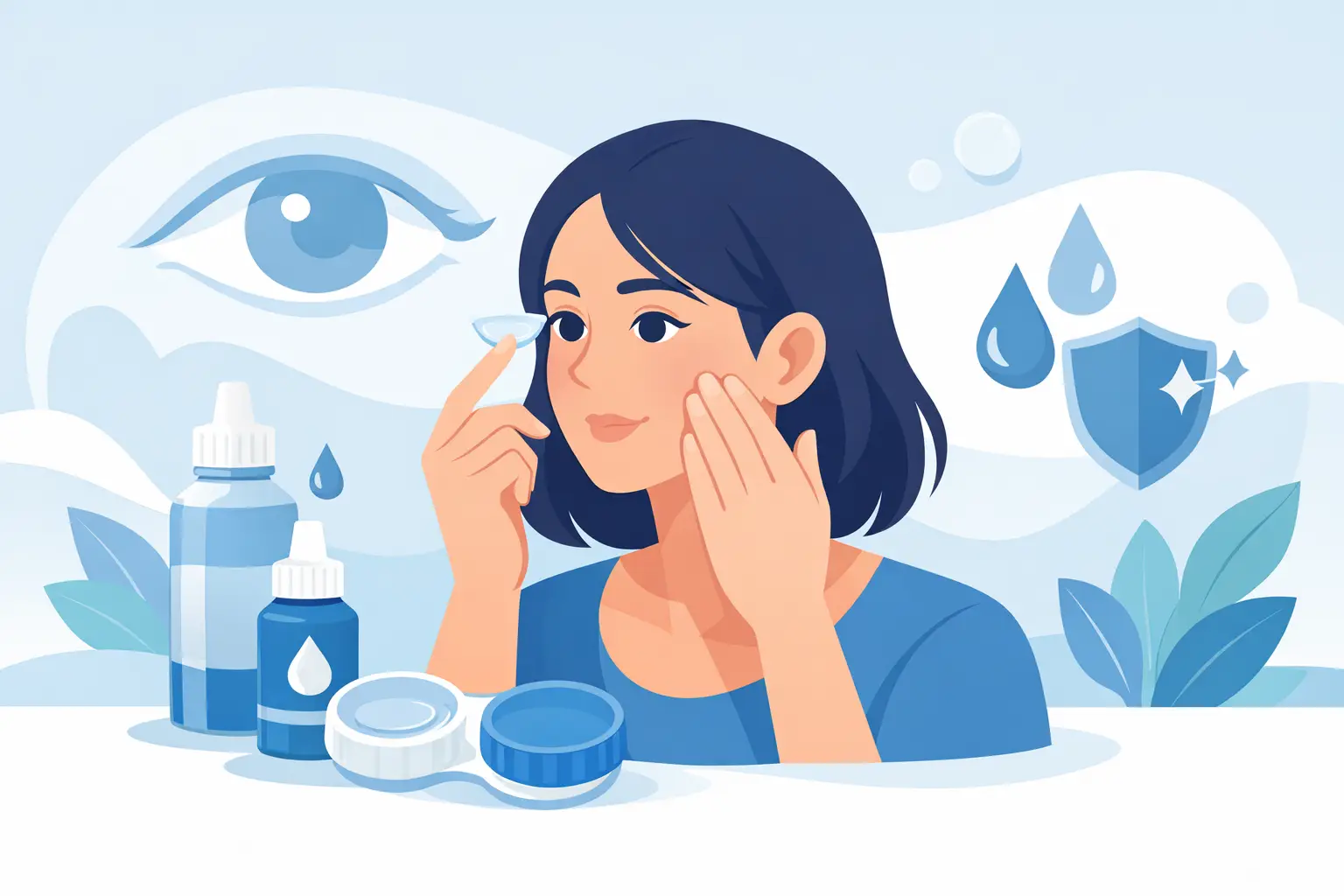
Contact lenses are medical devices, not just a convenience item. Safe wear means washing and drying your hands before handling lenses, following the replacement schedule, and using the recommended cleaning system when applicable.
Never rinse or store lenses in water, and avoid sleeping in lenses unless your eye care provider has specifically approved that schedule. Swimming or showering in contacts can also increase the risk of eye irritation and infection. If your eye becomes red, painful, light-sensitive, or suddenly blurry, remove the lens and seek prompt eye care.
These habits may sound small, but they matter. Comfortable contact lens wear should not involve ongoing burning, redness, or the urge to remove lenses early every day. Those signs are worth discussing, not simply tolerating.
Cost, Convenience, and Your Routine
The cost comparison between glasses and contacts is not always straightforward. Glasses are usually purchased less often, though many people choose more than one pair for different activities or styles. Contact lenses involve ongoing replacement costs, along with solution and a backup pair of glasses when needed.
Insurance coverage can also influence the choice. Some plans provide an annual allowance that can be used toward either glasses or contacts, while others have separate benefits. Looking beyond the initial price helps create a more realistic plan for the year ahead.
Convenience is equally personal. Daily disposable contacts can simplify the routine because there is no case or solution to manage, but you still need to insert and remove them each day. Glasses are ready in seconds, yet they can be inconvenient during rain, sports, or when wearing a mask in cooler weather.
For many families, the most practical answer is not choosing one forever. Keeping glasses for mornings, evenings, travel, and eye-rest days while using contacts for work, exercise, or social plans offers the best of both options.
Children, Teens, and First-Time Wearers
Parents often wonder whether their child is ready for contacts. Age matters less than maturity and consistency. A child who can wash their hands carefully, follow instructions, and take responsibility for a daily routine may be ready, while another child may be better served by glasses for now.
Contacts can be helpful for young athletes, teens who feel self-conscious about frames, and children with prescriptions that are difficult to manage in glasses alone. But they should never feel like a requirement. The goal is clear, comfortable vision and healthy habits, not pressure.
A relaxed fitting appointment gives first-time wearers time to practice insertion, removal, and care. It is normal for this to take patience. With supportive guidance, many patients quickly become confident with their lenses.
How to Make the Right Choice for Your Eyes
The most useful question is not, “Which is better?” It is, “What will help me see clearly and feel comfortable in my real life?” Consider when you need correction most, whether your eyes tend to feel dry, how often you play sports or spend time outdoors, and how comfortable you are with a daily care routine.
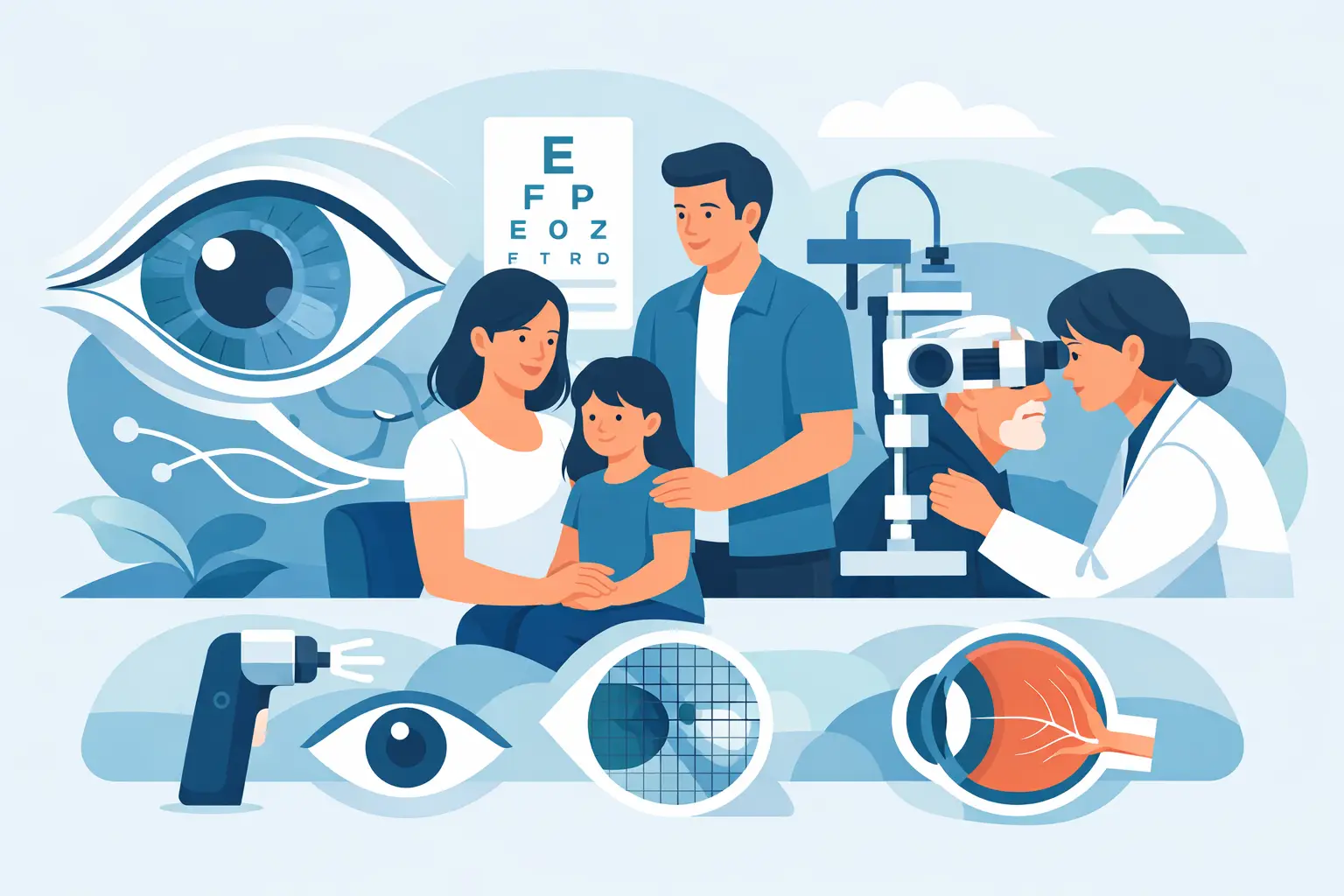
Your prescription and eye health should guide the decision as much as lifestyle does. An eye exam can reveal changes that are not obvious from your vision alone, including dry eye, early eye disease, or prescription shifts that may affect which option feels best.
At 4 Eyes Optometry, the conversation is designed to be personal, not rushed. Whether you are choosing your first pair of glasses, exploring contacts after years in frames, or looking for a more comfortable solution, you deserve recommendations that fit your eyes and your life.
You do not have to commit to one option for every moment. The right vision plan may be glasses at your desk, contacts on the soccer field, and a trusted eye care team ready to help when comfort or clarity changes.