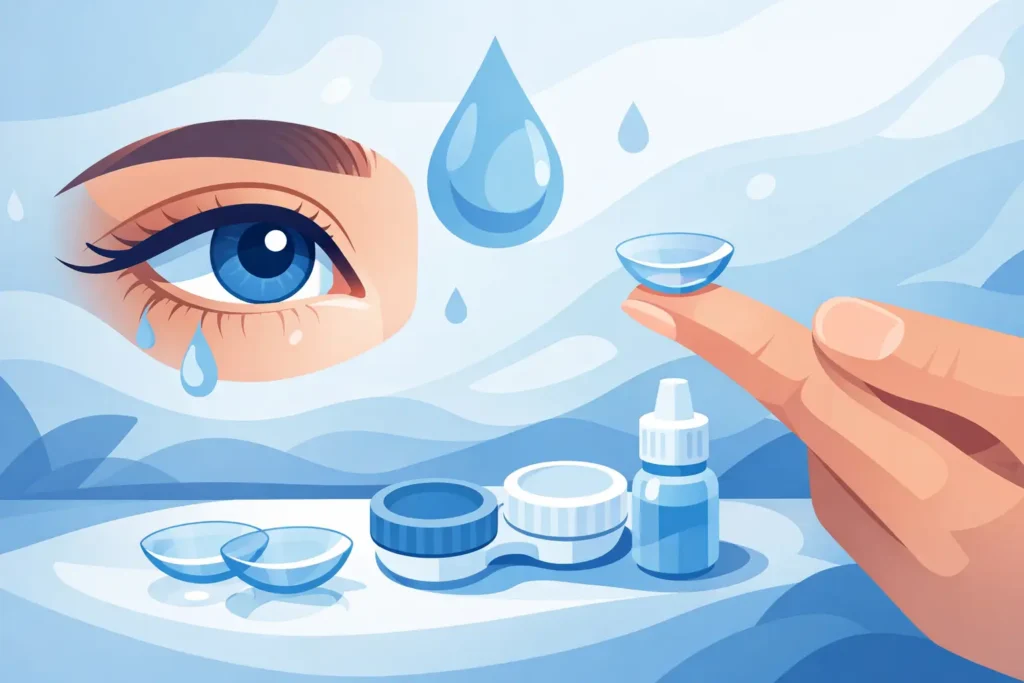
If your contacts feel fine in the morning but irritating by lunch, dry eye may be part of the reason. Many people assume they just are not good candidates for contact lenses for dry eyes, but that is not always true. Often, the problem is less about whether you can wear contacts at all and more about choosing the right lens, wearing it the right way, and making sure the surface of your eyes is healthy enough to support comfortable wear.
Can you wear contact lenses for dry eyes?
In many cases, yes. Dry eyes do not automatically rule out contact lenses, but they do change what tends to work best. A lens that feels comfortable for one person can feel scratchy, sticky, or blurry for someone else, especially if their tears evaporate too quickly or do not provide enough moisture.
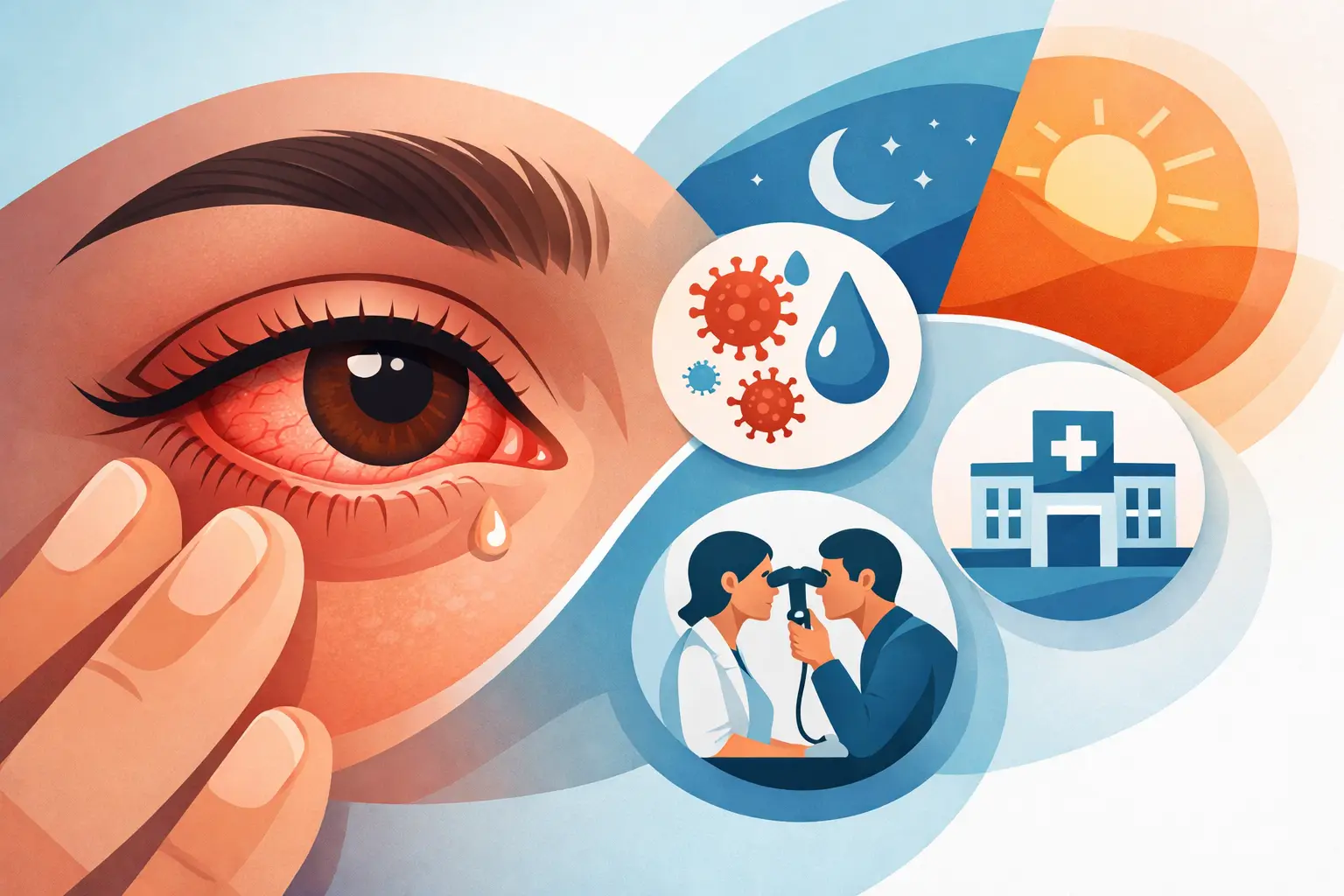
This is why a personalized exam matters. Dry eye symptoms can come from several causes, including meibomian gland dysfunction, allergies, screen-related blinking habits, medications, hormonal changes, or simply the natural aging process. If the underlying issue is missed, switching brands over and over can get frustrating fast.
Why contacts can feel worse when your eyes are dry
A contact lens sits on the tear film, so when that tear film is unstable, comfort usually drops. You may notice burning, fluctuating vision, a gritty sensation, excessive awareness of the lens, or the feeling that your contacts dry out before the day is over.
Sometimes the lens material is the problem. Sometimes it is the wearing schedule. And sometimes the eye itself needs treatment before any lens will feel consistently good. That is where the it depends part comes in. There is no single best answer for every dry eye patient, but there are patterns that help guide a better choice.
What types of contact lenses for dry eyes tend to work best?
Daily disposable lenses
For many people, daily disposables are the easiest place to start. Because you open a fresh pair every day, there is less buildup of deposits, pollen, protein, and debris that can make lenses feel filmy or irritating. They also remove the extra variable of cleaning solution sensitivity, which can matter more than people realize.
Daily lenses are often a strong option for mild to moderate dryness, especially for people who spend long hours on screens or wear contacts only part-time. The trade-off is cost. They are usually more expensive over time than monthly lenses, but many patients find the comfort difference worth it.
Silicone hydrogel lenses
These lenses allow more oxygen to reach the cornea, which can support eye health and comfort. That said, more oxygen does not automatically mean better comfort for every dry eye patient. Some people do very well in silicone hydrogel lenses, while others are more aware of the lens surface depending on the design and their tear quality.
This is one reason a fitting is not just about the prescription. Material, water content, edge design, and how the lens moves on your eye all matter.
Scleral lenses
If dryness is more severe, scleral lenses can be life-changing. These larger lenses vault over the cornea and hold a reservoir of fluid between the lens and the eye. For patients with significant dry eye, irregular corneas, or surface disease, that fluid layer can provide comfort and more stable vision that soft lenses cannot.
Sclerals are not the first stop for everyone. They require a more specialized fitting process and can take more time to learn. But for the right patient, they can be an excellent solution rather than a last resort.
Are monthly lenses a bad idea for dry eyes?
Not necessarily. Some people with dry eye still do well in two-week or monthly replacement lenses, particularly if their dryness is well managed and the lens material suits their eyes. But reusable lenses demand more from the surface of the eye and from your care routine.
If your eyes are already irritated, deposits can build up faster, and even small lapses in cleaning can affect comfort. If a reusable lens is the right choice for your lifestyle or budget, your optometrist may also recommend a preservative-free rewetting drop or a different care system to improve wear time.
Signs your current lenses are not the right match
A lot of people try to push through discomfort because they assume some dryness is normal. Mild awareness at the end of a long day can happen, but regular discomfort is a sign to check in.
Your lenses may not be the best fit if your vision gets blurry and then clears when you blink, your eyes look red by afternoon, you remove your lenses much earlier than planned, or you rely on drops constantly just to get through the day. Lens discomfort can also make people wear their contacts less often, which usually means they are not getting the convenience they hoped for in the first place.
Contact lens habits that can make dry eye worse
Sometimes the lens is only part of the story. Daily habits matter too, especially for busy adults and families juggling work, school, and screen time.
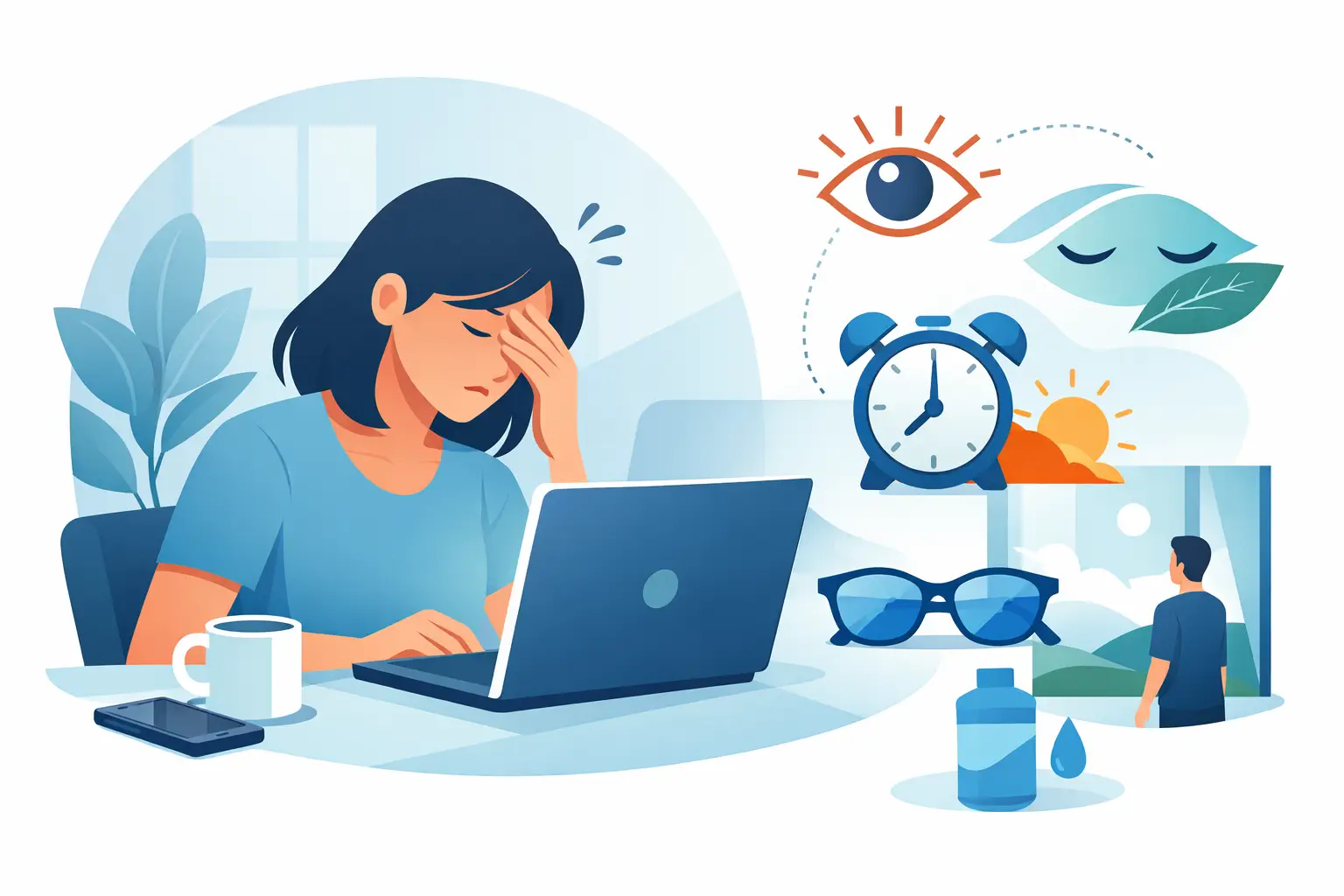
Long stretches on a computer can reduce how often you blink, which lets tears evaporate faster. Wearing lenses longer than recommended, sleeping in lenses not approved for overnight wear, or using old solution can also leave your eyes feeling worse. Even indoor heat, air conditioning, and ceiling fans can contribute to that end-of-day dryness many contact lens wearers notice.
A few practical changes can help. Taking short screen breaks, staying on schedule with lens replacement, and using approved lubricating drops can improve comfort. But if dryness is persistent, those steps may not be enough on their own.
Why a dry eye evaluation matters before switching brands
It is tempting to think the answer is just finding a softer lens or a newer brand. Sometimes that helps, but if your tear film or eyelids are not healthy, the improvement may be limited.
A dry eye evaluation looks at more than symptoms. Your optometrist can assess tear stability, the eyelid margins, meibomian gland function, inflammation, and whether there are signs of ocular surface damage. That information changes the plan. One person may need a different lens material. Another may need treatment for evaporative dry eye first. Someone else may be dealing with allergy-related irritation that is being mistaken for dryness.
This is where relationship-based care makes such a difference. The goal is not simply to get a lens on your eye. It is to help you wear contacts comfortably and safely in real life.
When glasses may be part of the best plan
For some patients, the best answer is a mix of contacts and glasses rather than all one or all the other. You might wear contacts for work, social events, or sports and switch to glasses at home or on days when your eyes feel tired. That does not mean contact lenses have failed. It means your plan fits your eyes and your routine.
There are also times when treating the dry eye first is the most helpful next step. If your eyes are inflamed or the surface is compromised, a short break from contacts may improve your long-term comfort much more than forcing daily wear through symptoms.
What to expect from a contact lens fitting for dry eyes
A good fitting starts with your symptoms, but it does not end there. Your prescription, tear film, eyelids, corneal shape, work habits, and previous lens experience all help shape the recommendation. If your eyes tend to dry out after hours at a screen, your plan may look different from someone whose symptoms are driven by allergies or menopause.
You may try more than one lens before finding the best match. That is normal. The process is about narrowing in on the lens that gives you the best balance of comfort, vision, convenience, and eye health.
At 4 Eyes Optometry, that conversation is meant to feel supportive, not rushed. Dry eye can be frustrating, especially when it affects something as everyday as seeing clearly and comfortably. With the right evaluation and a tailored approach, many people find they have more options than they expected.
The bottom line on contact lenses for dry eyes
If your contacts have started to feel less comfortable, it is worth paying attention. Dryness is common, but struggling through it should not be your normal. The right lens can help, but the healthiest, most comfortable result usually comes from looking at the full picture – your tear film, your eyelids, your environment, and your daily habits.
Comfortable contact lens wear is often still possible, even with dry eyes. The key is finding a plan that works for your eyes rather than trying to make your eyes adapt to the wrong plan. If your lenses are not feeling as good as they used to, that is a good reason to ask for a closer look.