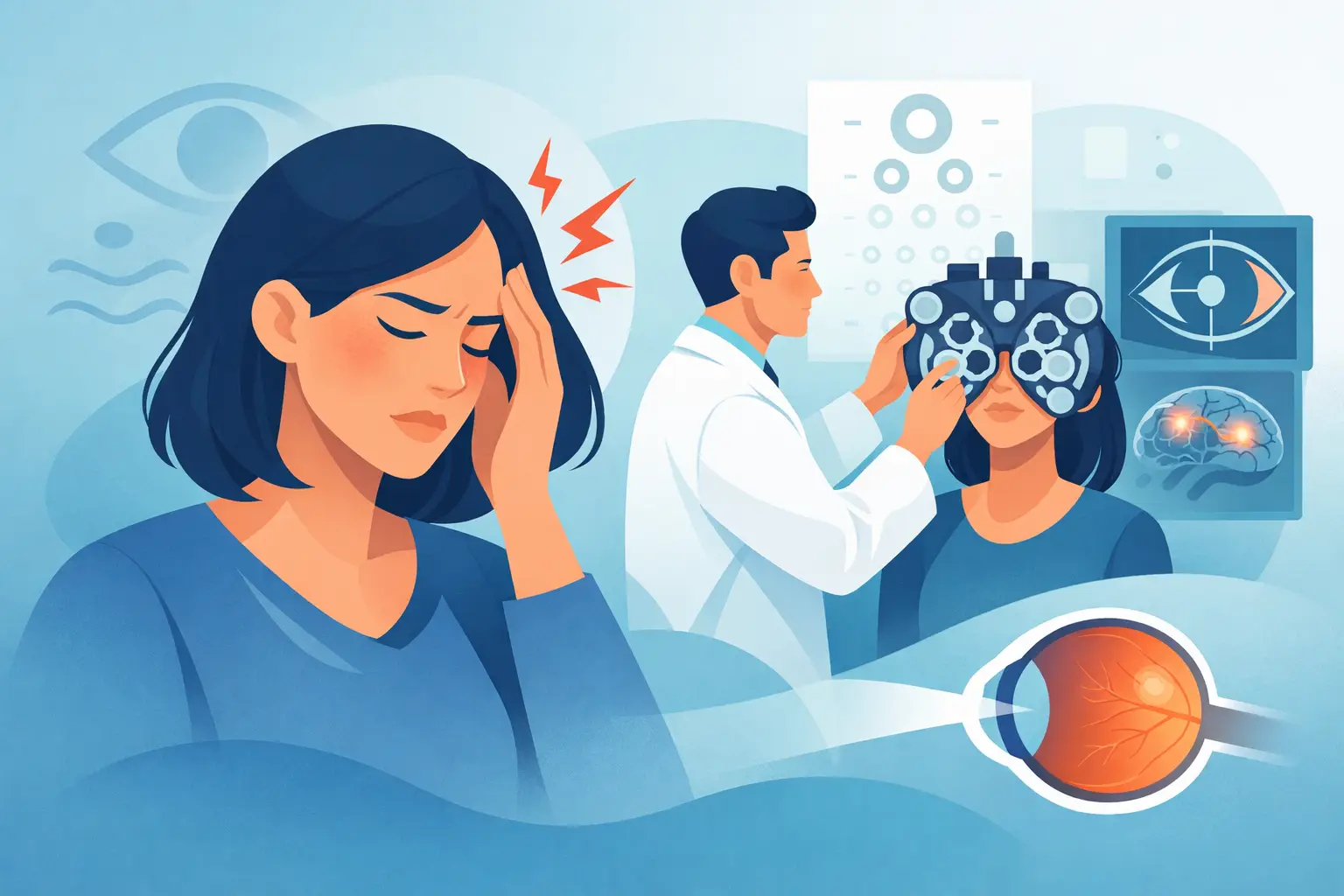
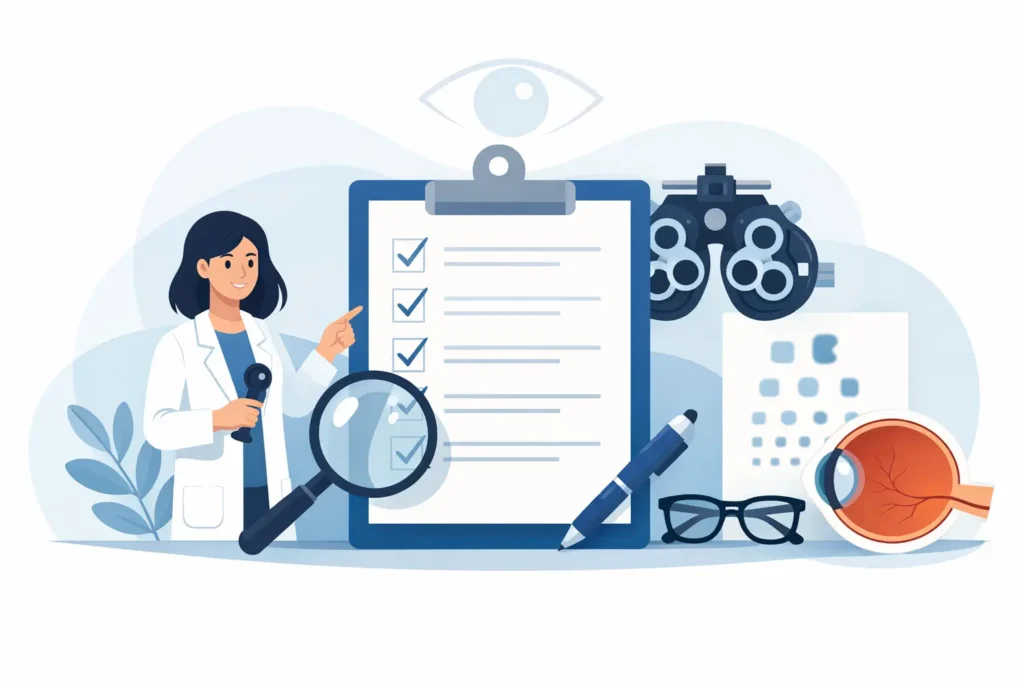
A routine eye exam is about much more than reading letters across the room. This adult eye exam checklist can help you arrive prepared, make the most of your appointment, and feel more confident about the care recommendations you receive. Whether you need updated glasses, are noticing dry or tired eyes, or simply want to stay ahead of changes in your eye health, a little preparation makes the visit feel easier.
At 4 Eyes Optometry, we believe eye care should feel personal, comfortable, and thorough. Your appointment is time to talk about how your eyes feel in real life – at work, behind the wheel, on screens, outdoors, and at home – not just whether your prescription has changed.
Before Your Eye Exam: Gather the Details That Help
Your optometrist can provide more personalized recommendations when they have a clear picture of your health, habits, and visual needs. You do not need to arrive with perfect records, but bringing a few basics can save time and prevent details from being missed.
Bring your current glasses, including reading glasses, prescription sunglasses, computer glasses, and any older pair that you still use. Even if a pair no longer feels right, it can help show how your vision needs have changed. If you wear contact lenses, bring the lens boxes or take a photo of the brand, prescription, and wearing schedule.
It is also helpful to have an up-to-date list of medications, vitamins, and supplements. Some medications can contribute to dry eye, blurry vision, light sensitivity, or other changes that are useful to discuss. Let the clinic know about allergies, past eye injuries, eye surgeries, and medical conditions such as diabetes, high blood pressure, thyroid disease, autoimmune conditions, or migraines.
Family history matters, too. Conditions such as glaucoma, macular degeneration, retinal disease, and certain eye disorders can run in families. You may not know every detail, and that is okay. Sharing what you do know gives your optometrist useful context for monitoring your long-term eye health.
Adult Eye Exam Checklist: What to Bring
Before you leave for your appointment, make sure you have the following:
- Your current glasses and contact lens information
- A list of medications, supplements, allergies, and relevant health conditions
- Your insurance details, if applicable, and a photo ID
- Notes about new symptoms, vision concerns, or questions you want to ask
- Sunglasses or a plan for getting home if your eyes may be dilated
Dilation does not happen at every appointment, but it can be recommended when your optometrist needs a more detailed view of the retina and other structures at the back of the eye. Your vision may be temporarily blurry afterward, especially up close, and bright light can feel uncomfortable. It depends on the type of exam, your eye health, and what your doctor sees during the visit.
Pay Attention to Changes Between Visits
Many adults assume they should book an exam only when they need new glasses. In reality, changes in comfort or vision can be a reason to schedule sooner. Your eyes often give early clues that something needs attention.
Make a note if you have been squinting more, getting frequent headaches, struggling to focus after computer work, or holding reading material farther away. These symptoms may point to a prescription change, but they can also be connected to eye strain, dry eye, binocular vision concerns, or lifestyle factors.
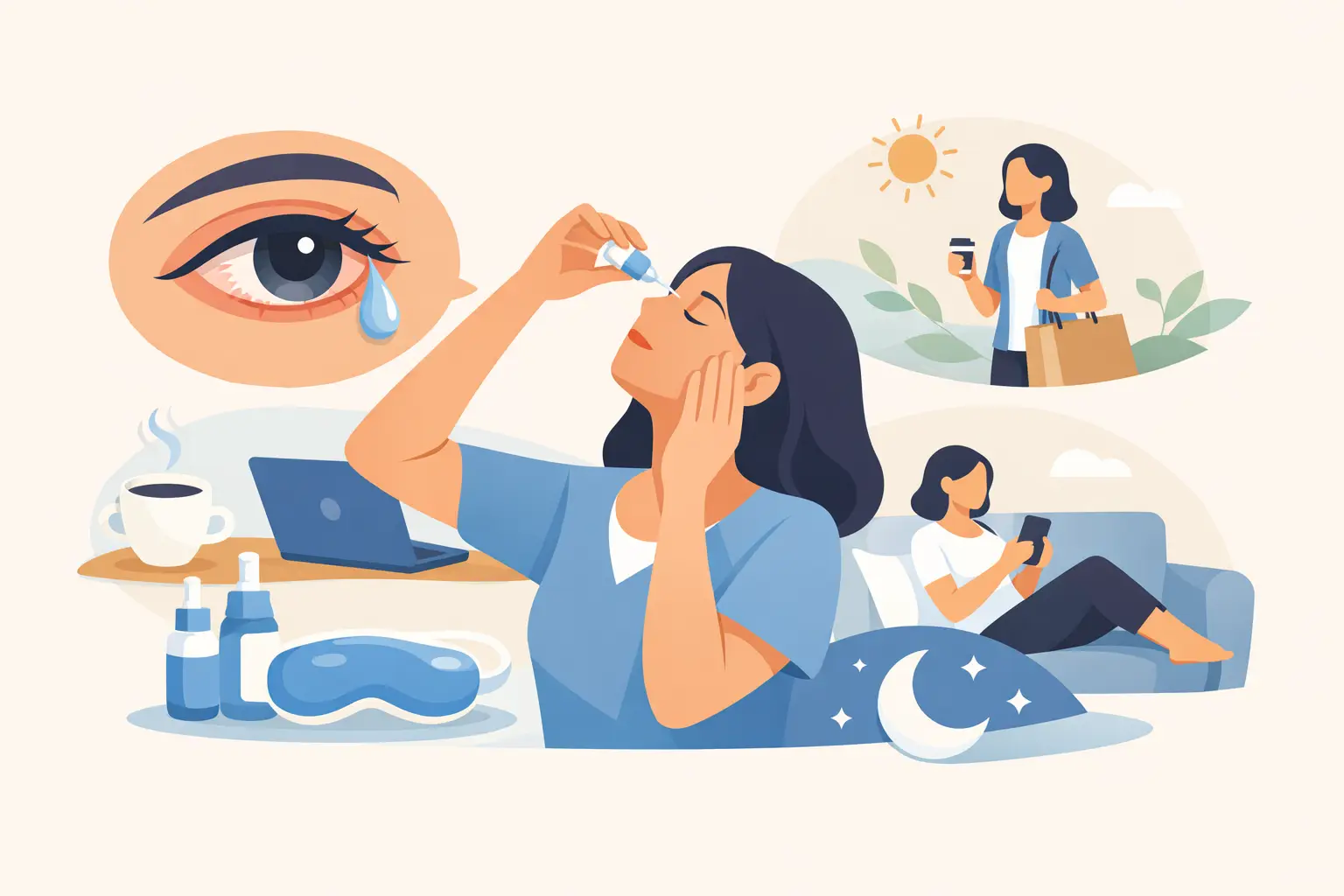
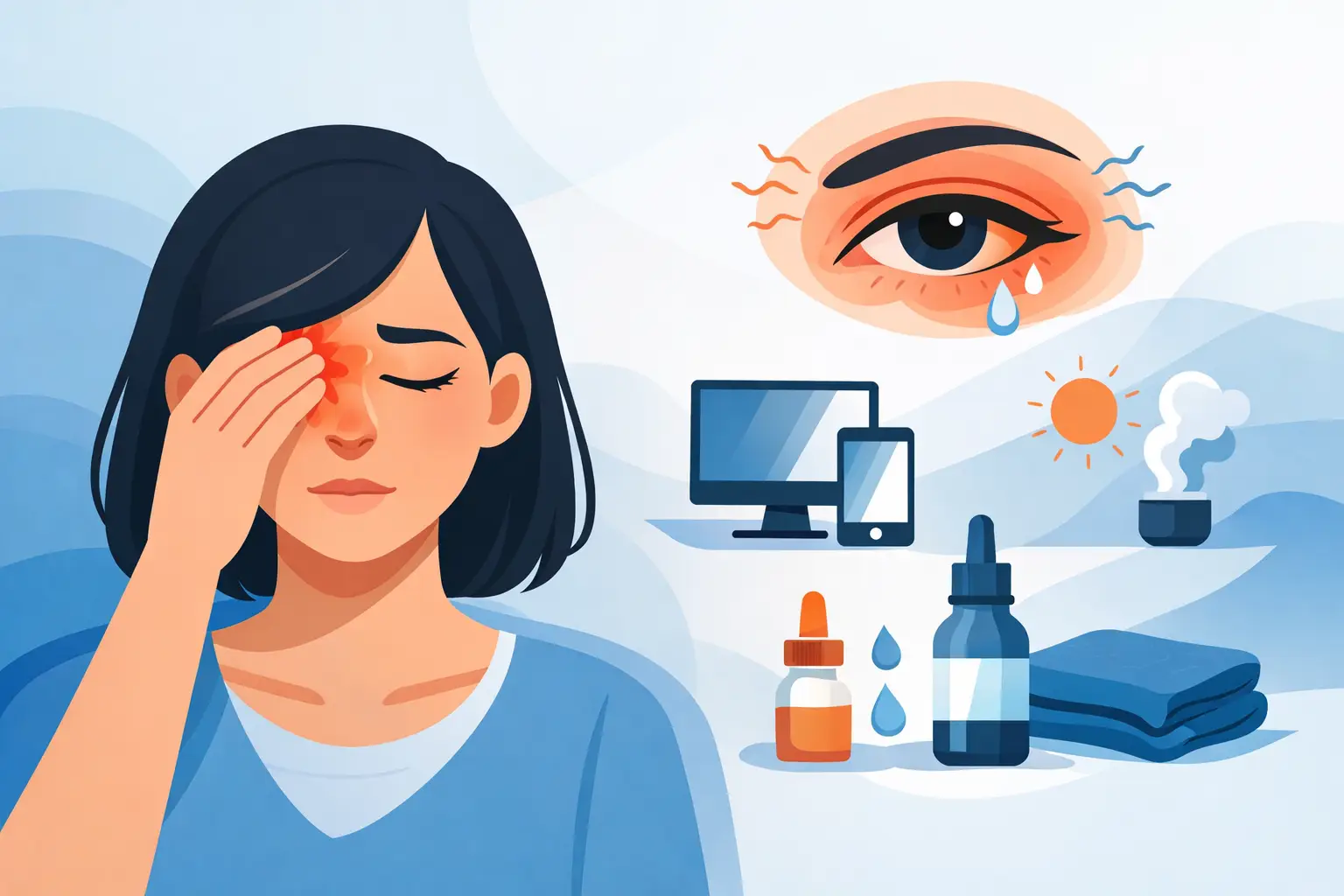
Dryness deserves a closer look when it is ongoing. Burning, grittiness, watery eyes, fluctuating vision, and contact lens discomfort can all be signs of dry eye disease. It may seem strange that dry eye can cause excessive tearing, but irritated eyes often produce reflex tears that do not provide lasting comfort. The right plan depends on the cause, so relying on random drops alone may not solve the problem.
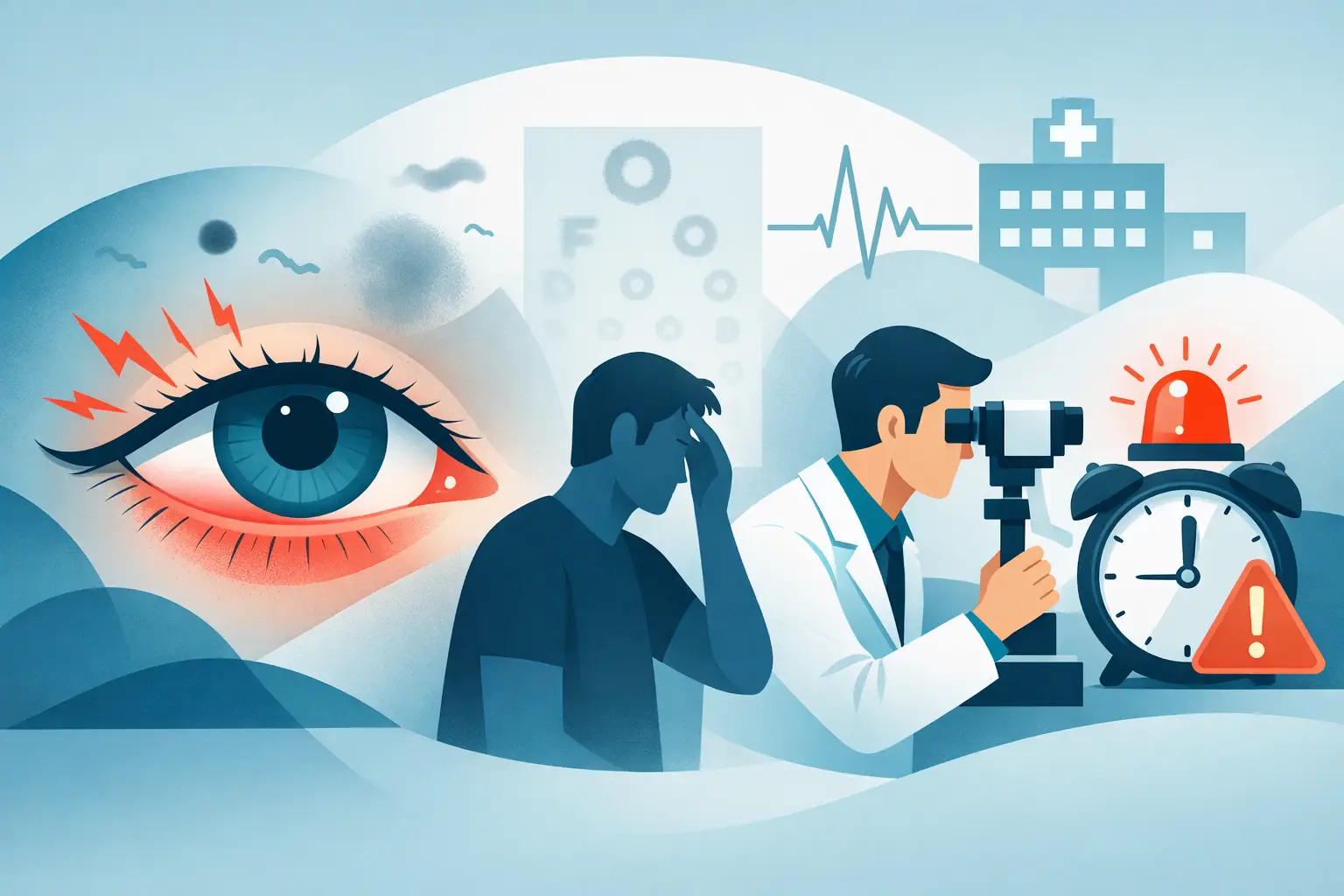
Some symptoms should be assessed promptly rather than waiting for a routine visit. Sudden vision loss, new flashes of light, a sudden shower of floaters, a dark curtain or shadow in your vision, eye pain, significant redness, or an eye injury may need urgent medical eye care. If something feels sudden, severe, or distinctly different from your usual vision, contact an eye care professional right away.
Be Ready to Talk About Your Everyday Vision
A prescription is only one part of good vision care. A pair of glasses that works beautifully for driving may not be the best choice for long hours at a computer, detailed crafting, sports, or frequent outdoor time. Be specific about where and when your eyes work hardest.
Think about your typical day. Do you switch between a laptop and phone all day? Drive at night? Work in dry, heated, or air-conditioned spaces? Spend weekends hiking, golfing, skiing, or on the water? These details can influence lens recommendations, contact lens options, dry eye strategies, and protective eyewear choices.
If you are over 40, changes in near vision are common. Needing brighter light or longer arms to read a menu is often related to presbyopia, a normal age-related change in focusing ability. Reading glasses can help in some cases, while progressive lenses, occupational lenses, or multifocal contact lenses may better suit others. There is no one best option – the right choice depends on your work, hobbies, budget, and how often you move between distances.
Questions Worth Asking During Your Appointment
It can be easy to forget a question once the exam begins, especially if you are juggling a busy schedule. Write down a few concerns beforehand. Your optometrist is there to explain what they are seeing and help you make informed choices without pressure.
You might ask whether your prescription has changed significantly, whether your eye health looks stable, and when you should return. If you have dry eye symptoms, ask what may be contributing to them and what treatment approach fits your eyes. If you are considering contacts, ask which lens type supports your vision needs and wearing habits safely.
When choosing glasses, ask how different lens designs would affect your daily comfort. For example, blue-light filtering may be a personal preference for some patients, but a good computer setup, regular breaks, appropriate prescription, and dry eye care often make a more meaningful difference for screen-related discomfort. Clear guidance helps you choose what is useful rather than paying for features you may not need.
Plan for Ongoing Eye Health
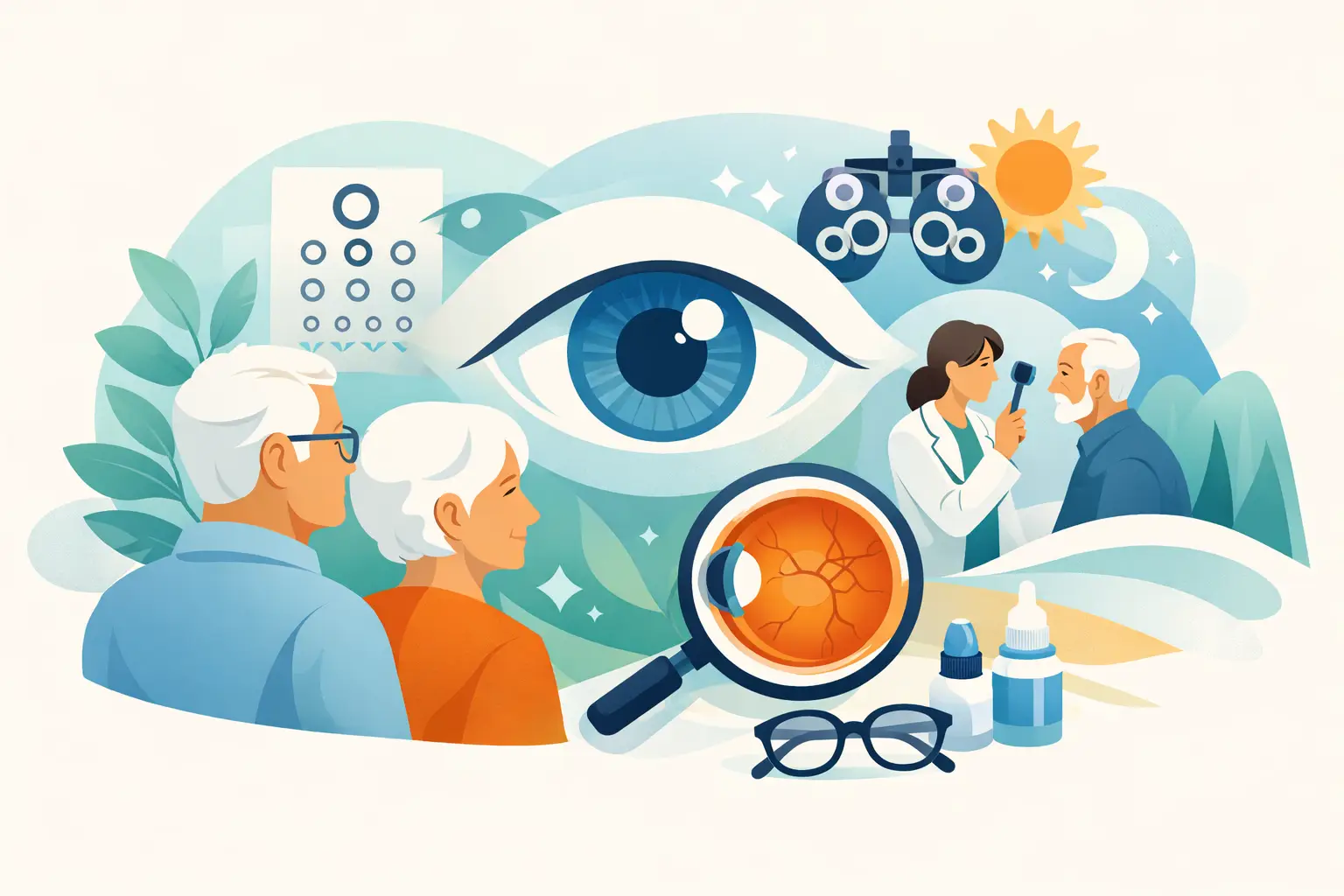
Adults with no known eye concerns may have different exam schedules than people with diabetes, a strong family history of glaucoma, high prescriptions, contact lens needs, or existing eye conditions. Seniors may also need closer monitoring as the risk of cataracts, glaucoma, macular degeneration, and other age-related changes increases.
Your optometrist can recommend a schedule based on your individual risk factors. Staying consistent allows small changes to be noticed over time. It also means you have a trusted care team that already knows your history if a new symptom appears.
Eye exams are a practical act of self-care. Bring your questions, share what has changed, and give yourself permission to ask for solutions that make daily life clearer and more comfortable. The goal is not simply to leave with an updated prescription – it is to feel cared for, informed, and ready to see your life well.