
You look up from your phone, the road sign stays fuzzy, or one eye suddenly seems off – and the first thought is often, why is my vision blurry? That question can have a simple answer, like tired eyes or an outdated glasses prescription, but blur can also be your eyes asking for attention. The key is noticing when it started, how often it happens, and whether anything else changed at the same time.
Blurry vision is a symptom, not a diagnosis. Sometimes it comes and goes and feels more annoying than alarming. Other times, it shows up quickly, affects daily tasks, or comes with pain, flashes, redness, headaches, or double vision. Those details matter because they help narrow down whether the issue is minor, ongoing, or urgent.
Why is my vision blurry sometimes but not all the time?
Intermittent blur often points to a problem that changes throughout the day. Dry eye is a common example. If your tears are not coating the eye properly, vision may seem clear one moment and smeared the next, especially during screen time, reading, driving, or time in dry indoor air. Many people assume dry eye only causes discomfort, but it can absolutely affect the quality of your vision.
Eye strain can do something similar. Long hours on a computer, not blinking enough, and focusing up close for too long can leave vision temporarily hazy. In these cases, rest may help, but it does not always solve the root problem. A small prescription change, untreated dryness, or binocular vision issues can keep the cycle going.
Blood sugar changes can also cause on-and-off blur. For people with diabetes or those who are still undiagnosed, shifts in blood sugar can affect the way the lens inside the eye focuses. Hormonal changes, certain medications, and even dehydration may play a role as well. That is one reason a full eye exam can be useful even when the blur seems inconsistent.
Common causes of blurry vision
The most familiar cause is refractive error. Nearsightedness, farsightedness, astigmatism, and age-related focusing changes can all make vision less sharp. If street signs are harder to read, reading small print feels tiring, or your current glasses are not doing the job they used to, your prescription may need updating.
Cataracts are another common reason, especially for older adults. Rather than making vision blurry all at once, cataracts usually cause a gradual decline. People often describe glare at night, faded colors, halos around lights, or the sense that no pair of glasses seems crisp enough anymore.
Dry eye deserves another mention because it is so often underestimated. It can cause fluctuating blur, stinging, burning, watery eyes, and a gritty feeling. The tricky part is that watery eyes do not always mean your eyes are well lubricated. Sometimes they are actually reacting to dryness.
Contact lenses can contribute too. A lens that is overworn, dirty, damaged, or not fitting properly can make vision blurry and increase the risk of irritation or infection. If your contacts suddenly feel uncomfortable or your vision is not as clear as usual, it is worth taking that seriously rather than trying to push through the day.
Some causes are more medical. Eye infections, inflammation, corneal scratches, glaucoma, retinal problems, and macular degeneration can all affect clarity. In these situations, blurry vision may come with other symptoms such as pain, redness, light sensitivity, floaters, flashes, or missing areas in your field of view.
When blurry vision may be urgent
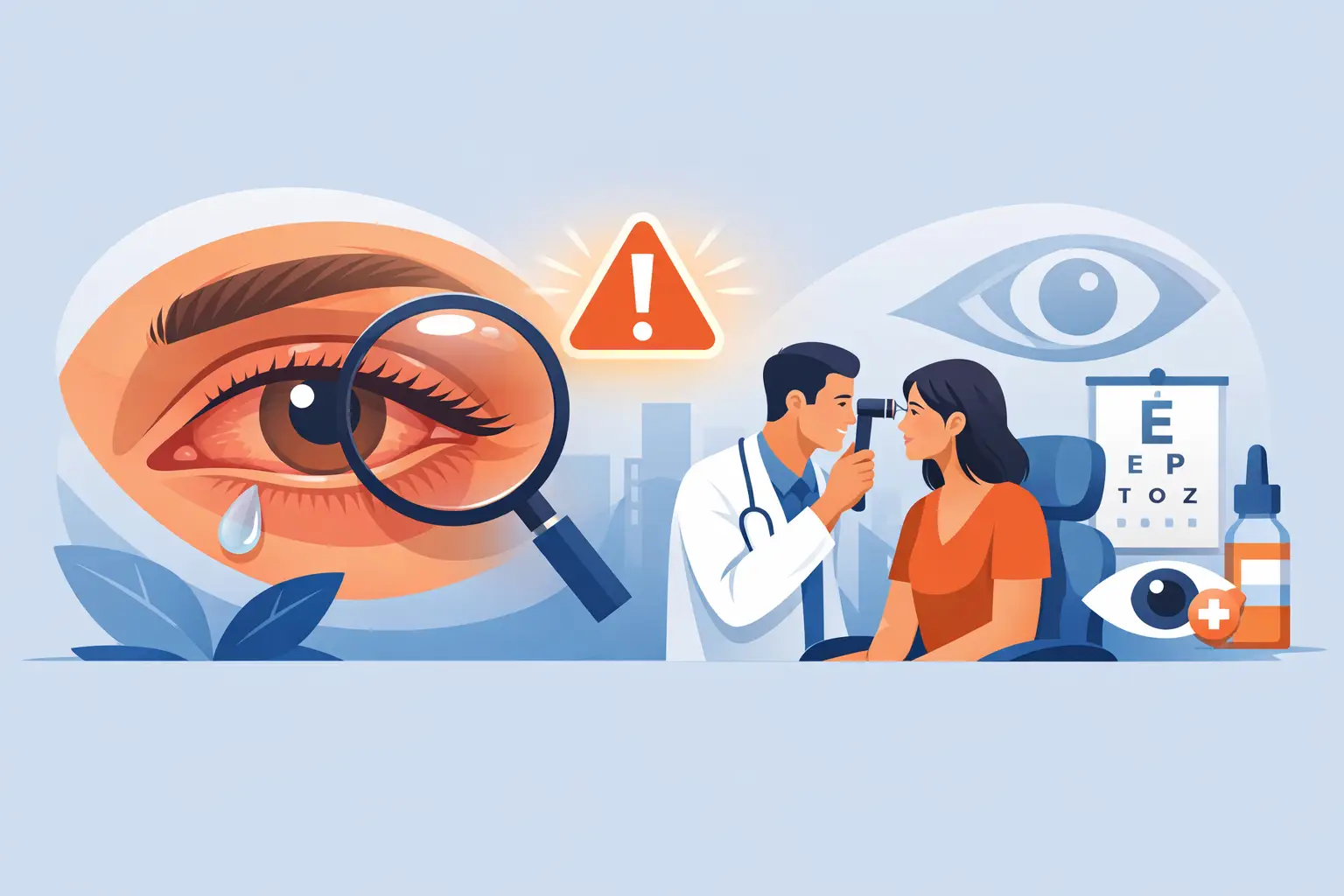
Not every case of blur is an emergency, but some situations need prompt care. Sudden blurry vision is one of them, especially if it happens in one eye or comes with eye pain, a severe headache, nausea, flashes of light, a curtain-like shadow, or sudden floaters. Those symptoms can be associated with serious conditions that should not wait.
Blur after an eye injury also deserves quick attention, even if it seems mild at first. The same goes for redness with pain and light sensitivity, or blurry vision that develops alongside a new contact lens problem. A red, painful eye is very different from simple tired eyes.
There is also the bigger health picture. In some cases, blurred vision can be linked to migraine, high blood pressure, autoimmune disease, or neurological conditions. That does not mean every blurry moment is dangerous, but it is a good reminder that your eyes are connected to the rest of your body.
Why is my vision blurry in one eye?
When only one eye is blurry, the cause may be easier to miss because the stronger eye can compensate. People sometimes do not realize one eye has changed until they cover each eye separately. Blur in one eye can be caused by an uneven prescription, dry eye affecting one eye more than the other, a cataract, corneal changes, or retinal issues.
This is one reason it helps to do a simple check at home before your appointment. Cover one eye, then the other, and notice whether the blur is equal or only present on one side. Also think about whether it is constant, comes and goes, or started suddenly. That information can help your optometrist decide what to evaluate first.
Blurry near vision, distance vision, or both
The pattern of blur matters. If distance is blurry but reading is still easy, nearsightedness may be part of the picture. If your phone is harder to focus on, especially after age 40, presbyopia may be developing. That is the natural age-related change that makes near tasks harder over time.
If both near and distance vision seem off, there may be more than one factor involved. A changing prescription, cataracts, dry eye, or systemic health changes can all affect vision at multiple distances. Some people assume they just need stronger glasses, but stronger is not always the right fix. The real goal is figuring out why your vision changed in the first place.
What to expect during an eye exam for blurry vision
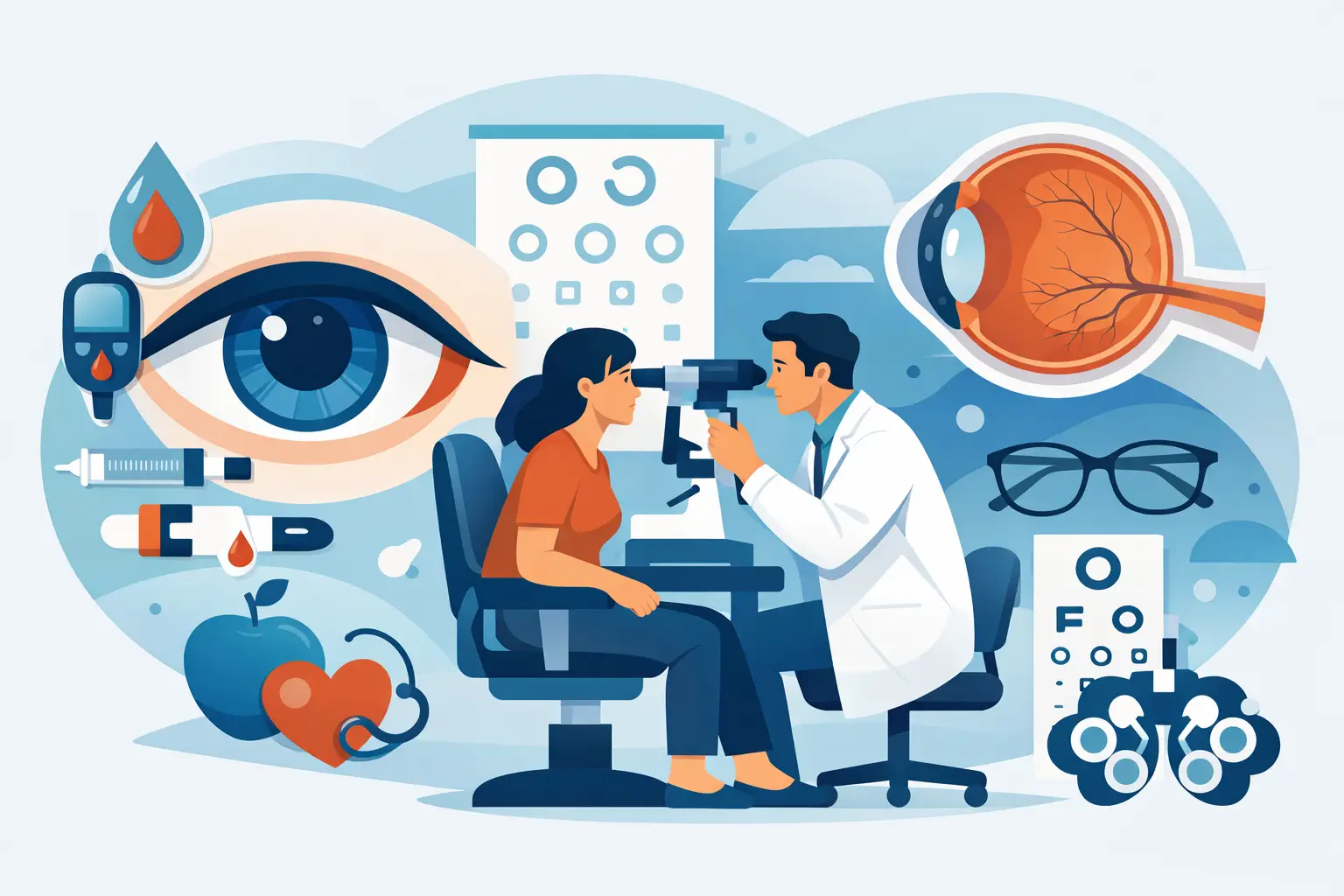
A good exam looks beyond the question of whether you need new lenses. Your optometrist will want to know when the blur started, whether it is constant or occasional, and if symptoms like headaches, dryness, floaters, flashes, or eye discomfort are involved. You may also be asked about medications, health history, screen use, and any recent illness or injury.
From there, the exam may include prescription testing, tear film evaluation, eye pressure measurement, and a close look at the front and back of the eye. If needed, imaging or additional testing can help identify retinal changes, cataracts, or other medical concerns. For families, this matters just as much for kids as it does for adults. Children do not always say their vision is blurry. They may squint, avoid reading, lose focus at school, or simply assume everyone sees that way.
At a practice like 4 Eyes Optometry, the goal is not just to hand over a prescription and send you out the door. It is to understand what is driving the change and recommend care that fits your eyes, your lifestyle, and your comfort.
What you can do before your appointment
If your vision is mildly blurry and not urgent, a few observations can make your visit more helpful. Pay attention to when the blur happens, whether it affects one eye or both, and what you were doing when you noticed it. Think about screen time, sleep, new medications, contact lens wear, and whether your current glasses are scratched or outdated.
It also helps to avoid self-diagnosing too quickly. Eye drops from the drugstore may soothe dryness for some people, but they will not fix every cause of blur. Wearing old glasses longer than you should, ordering random readers, or ignoring a persistent change can delay the right treatment.
If the blur is sudden, painful, or paired with flashes, floaters, or a shadow in your vision, skip the wait-and-see approach and seek urgent eye care right away.
Blurry vision can be something simple, something gradual, or something that needs prompt attention. The reassuring part is that you do not have to figure it out alone. When your sight feels off, listening to that change early is one of the best things you can do for your comfort, your confidence, and your long-term eye health.