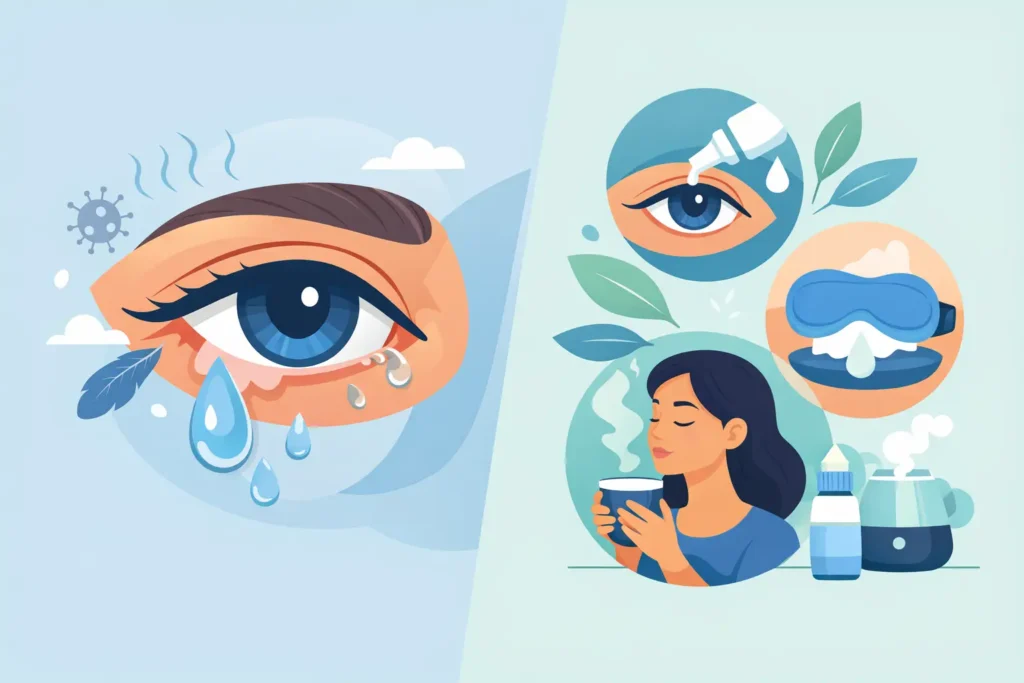
A tear rolling down your cheek can feel surprising when you are not upset, especially if it happens while reading, driving, or simply sitting indoors. If you have asked, “why are my eyes watering?” the answer is often straightforward, but ongoing tearing deserves attention. Your eyes may be reacting to irritation, dryness, allergies, or a problem with how tears drain away.
Tears are not a sign that your eyes are doing something wrong. They protect the surface of the eye, wash away debris, and help keep vision comfortable and clear. The key is noticing when watering is occasional and expected, and when it is persistent, uncomfortable, or paired with other symptoms.
Why are my eyes watering unexpectedly?
Your eyes make tears all day, not just when you cry. A healthy tear film has layers that moisturize, protect, and help tears stay evenly spread across the eye. When that balance is disrupted, the eyes can produce extra tears as a protective response.
This is why watery eyes do not always mean you have too many tears. In fact, dry eye is one of the most common reasons for excessive tearing. When the eye’s surface becomes dry or irritated, it may trigger a burst of watery reflex tears. These tears can overflow, but they do not always have the oily and moisturizing components needed to keep the eye comfortable for long.
The pattern can offer useful clues. Both eyes watering during pollen season may point to allergies. Tearing that begins in a windy parking lot or smoky room may be an irritation response. One eye that waters repeatedly, particularly outdoors, may need an eye doctor to check the tear drainage system, eyelids, and eye surface.
Common causes of watery eyes
Dry eye and screen time
Dry eye can feel like burning, grittiness, fluctuating vision, or a sensation that something is in your eye. Yet some people experience mostly tearing. Long periods on computers, phones, and tablets can make symptoms worse because we tend to blink less fully while concentrating.
Dry environments, indoor heating or air conditioning, contact lens wear, certain medications, and natural age-related changes can also contribute. A personalized dry eye assessment can identify whether your tear film is evaporating too quickly, whether tear production is reduced, or whether eyelid gland issues are involved. The right treatment depends on the cause, so simply using random eye drops may not provide lasting comfort.
Allergies
Seasonal allergies can make eyes water, itch, turn red, and feel puffy. Pollen is a familiar trigger, but dust, pet dander, mold, and other indoor allergens can cause symptoms throughout the year. Itching is especially common with allergies, while pain is not.
Avoid rubbing your eyes when they itch. Rubbing can increase irritation and may worsen swelling. A cool, clean compress can feel soothing, and an eye doctor can recommend allergy treatment options that fit your symptoms and overall eye health.
Irritants and environmental exposure
Wind, cold air, bright sunlight, smoke, chlorine, fragrance, and airborne dust can all trigger tearing. Even a small eyelash, piece of makeup, or speck of debris can make the eye water as it tries to flush the irritant away.
If you think something is in your eye, rinse gently with clean water or sterile saline. Do not dig around the eye or attempt to remove an embedded object. Protective eyewear can make a real difference for yard work, home projects, cycling, or time in dusty and windy conditions.
Eyelid or tear drainage changes
Tears normally drain through tiny openings near the inner corners of the eyelids. If those openings or drainage channels become narrowed or blocked, tears may spill over even when the eye itself feels comfortable. This is more common with age, but it can occur for other reasons as well.
Eyelid position can matter, too. An eyelid that turns inward may allow lashes to rub against the eye. An eyelid that turns outward may prevent tears from draining properly. Both can lead to tearing and irritation, and both deserve a careful examination.
Infection or inflammation
Pink eye, eyelid inflammation, and other infections can cause watering, redness, discharge, crusting, light sensitivity, or discomfort. Viral pink eye often comes with a cold and can spread easily. Bacterial infections may produce thicker discharge, although symptoms can overlap and should not be self-diagnosed.
Contact lens wearers should take a red, painful, or light-sensitive eye seriously. Remove contact lenses and seek prompt professional guidance, since an infection involving the cornea can become urgent.
What you can do at home for mild tearing
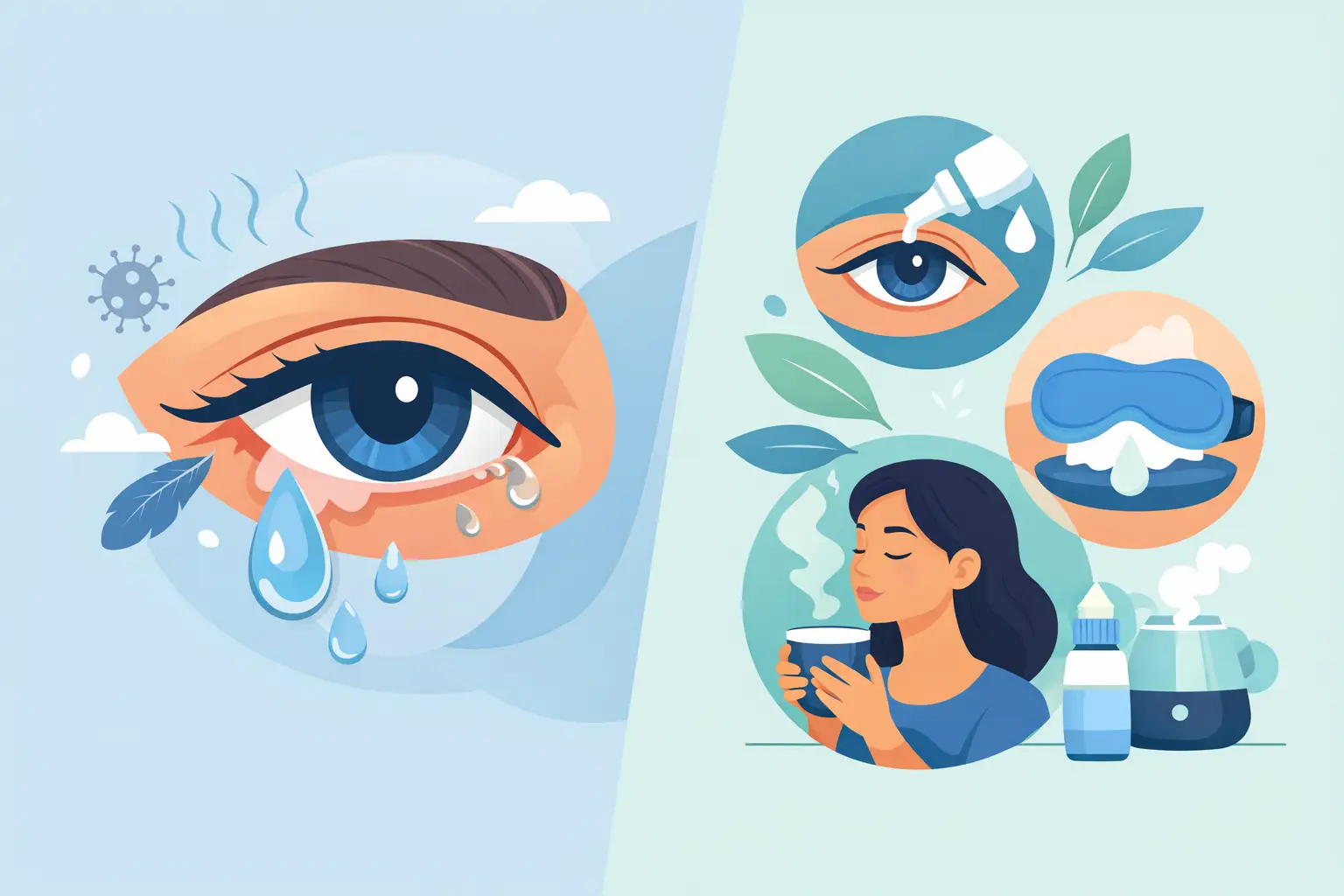
For brief, mild symptoms without pain or vision changes, simple care can help. Take regular visual breaks during close work and make a point of blinking fully. A clean warm compress may help if eyelid oil glands are contributing to dry eye, while a cool compress can be more comfortable for allergy-related itching.
Preservative-free artificial tears may offer temporary relief for dryness and irritation. Avoid drops marketed primarily to “get the red out” unless an eye doctor has advised them. Frequent use of some redness-relief drops can lead to rebound redness and may mask the issue rather than address it.
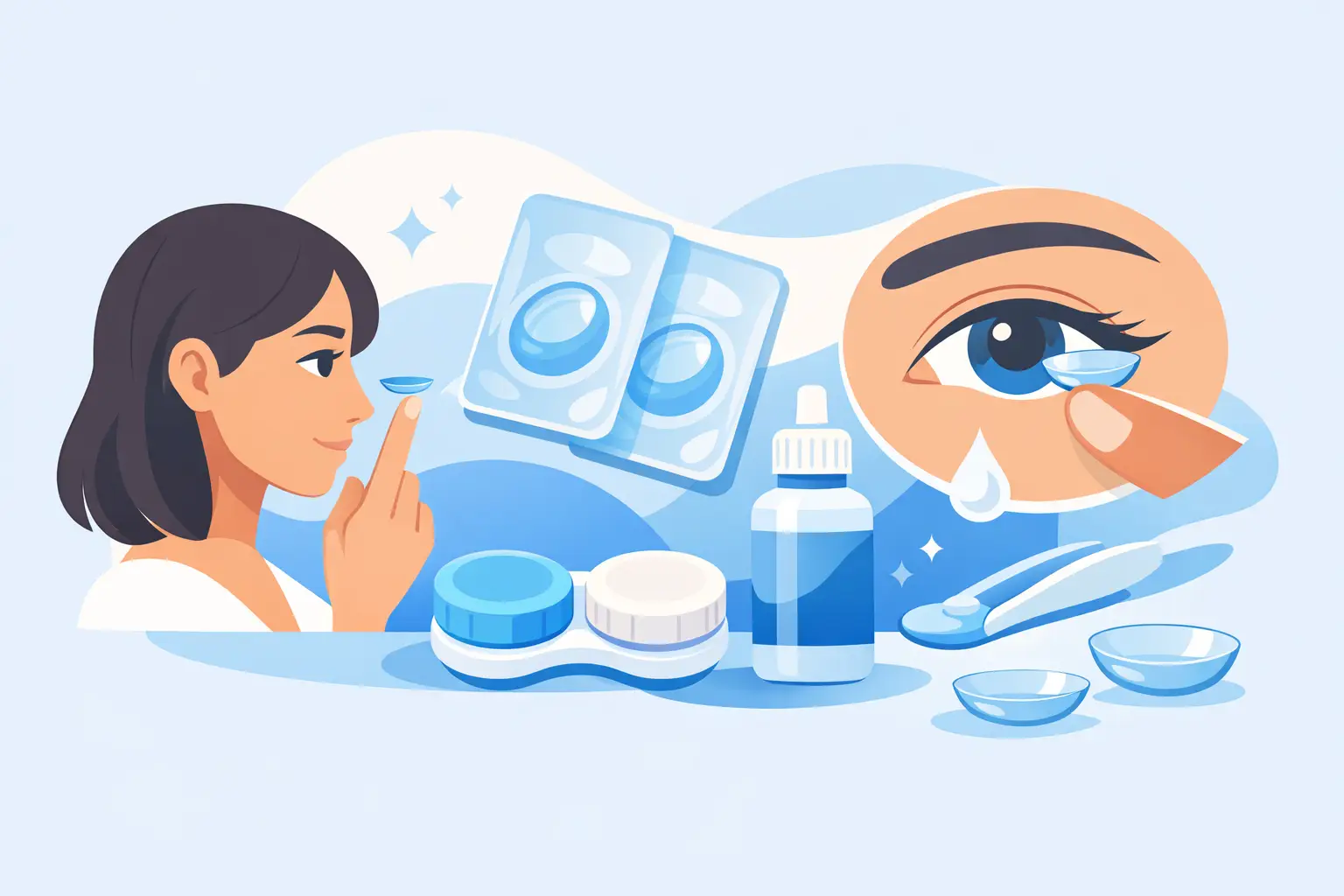
It also helps to think about the setting. Wraparound sunglasses can reduce wind and sun exposure. A humidifier may help in a dry home. If you wear contacts, follow the replacement schedule and cleaning instructions closely, and never sleep in lenses unless they were specifically prescribed for overnight wear.
When watery eyes need an eye exam
Occasional tears from chopping onions or stepping into a cold wind usually pass quickly. But it is a good idea to schedule an eye exam if watering is recurring, affects one eye more than the other, interferes with daily activities, or continues despite basic comfort measures.
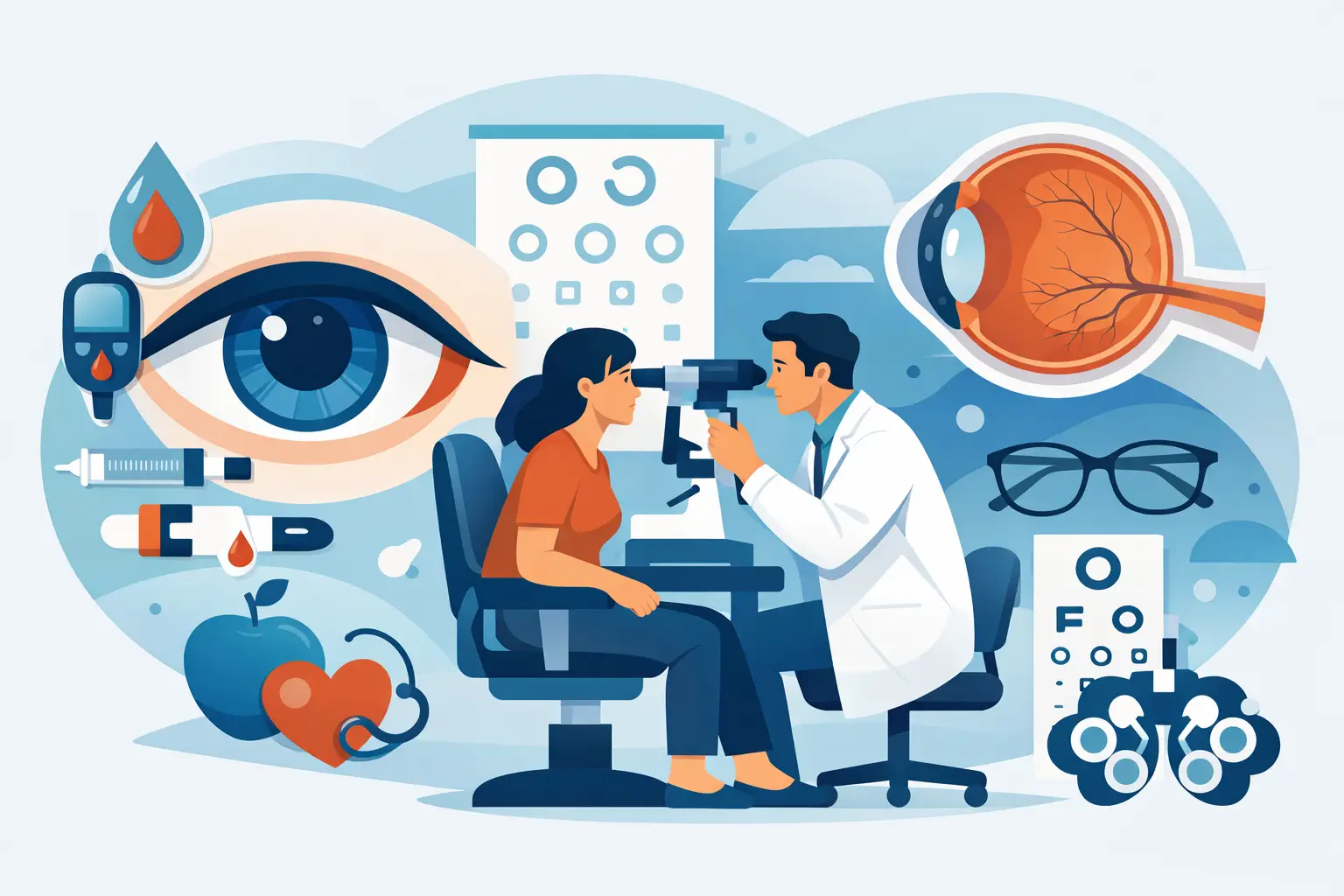
An eye doctor can look beyond the tears themselves. A comprehensive assessment may include the tear film, cornea, eyelids, lashes, contact lens fit, eye pressure, and the drainage pathway. This is particularly helpful when dry eye and excessive tearing seem contradictory. They often occur together, and treating the underlying surface irritation can reduce the overflow.
For families, it is also worth paying attention to children who tear frequently. Tearing can be related to allergies or irritation, but persistent symptoms should be checked, especially if there is discharge, light sensitivity, squinting, or changes in how a child uses their eyes.
Get urgent care for pain, injury, or vision changes
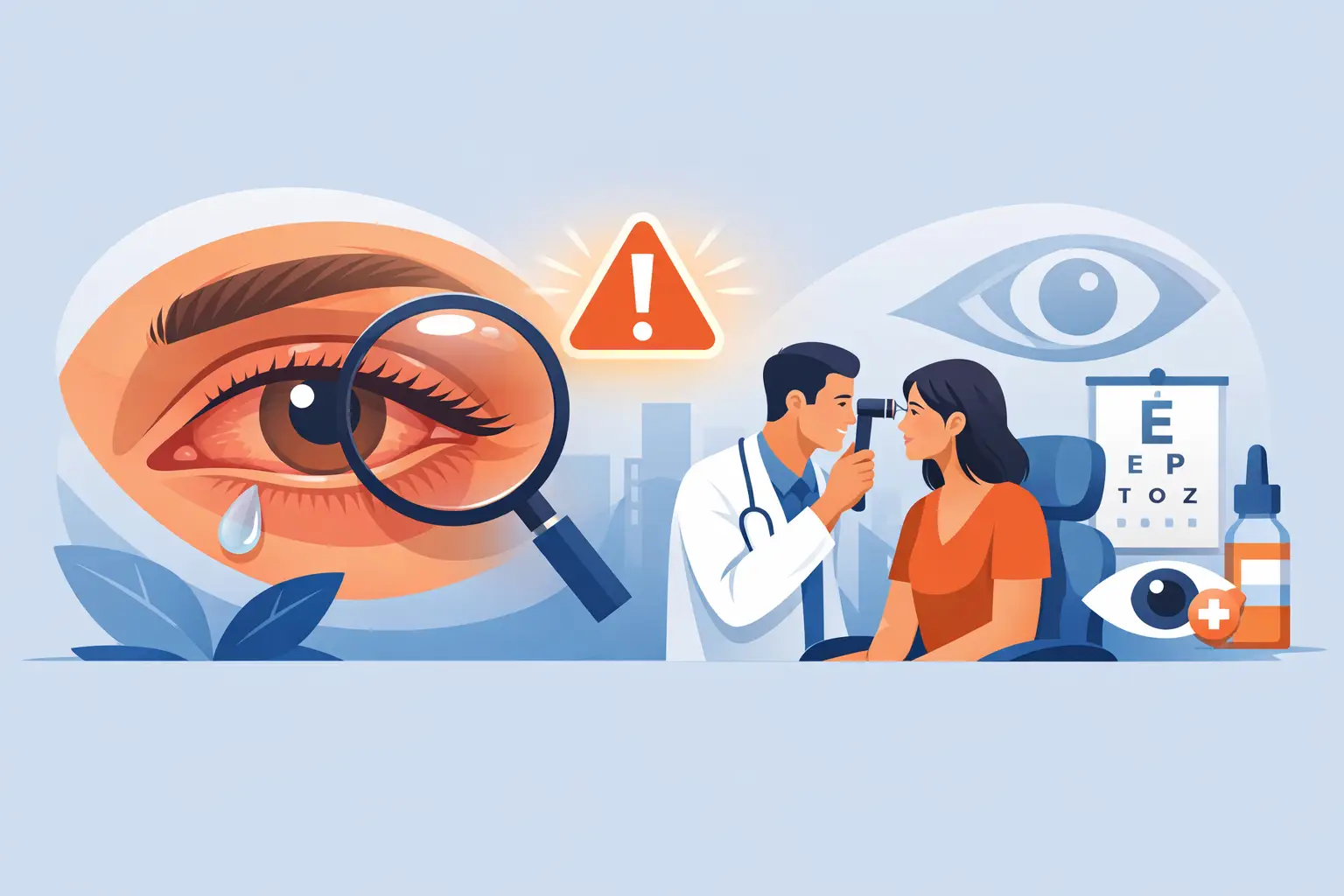
Watery eyes are usually manageable, but certain symptoms should not wait for a routine appointment. Seek urgent eye care for sudden vision loss or new significant blurring, moderate to severe eye pain, marked light sensitivity, a chemical splash, an eye injury, or an object stuck in the eye.
Prompt care is also needed for a very red eye with pain, halos around lights, severe headache, nausea, or vomiting. These symptoms can signal conditions that require timely treatment. If a chemical gets into the eye, begin flushing immediately with clean lukewarm water and continue rinsing while arranging urgent care.
You do not have to simply put up with eyes that water every day. Whether the cause is dry eye, allergies, a change in your eyelids, or something else, a thoughtful exam can replace guesswork with a plan that helps your eyes feel calmer, clearer, and more comfortable.