If you are wondering where to get a comprehensive eye exam, the short answer is not just anywhere that can check your prescription. A true comprehensive exam should look at how well you see, how your eyes work, and how healthy they are overall. That difference matters more than many people realize, especially if you want care that goes beyond a quick in-and-out visit.
For many families and adults, the real question is not simply who offers eye exams. It is who takes the time to understand your symptoms, your daily visual demands, and any early signs of eye disease before they become bigger problems. That is where choosing the right clinic can make a very real difference.
Where to get a comprehensive eye exam if you want more than a prescription
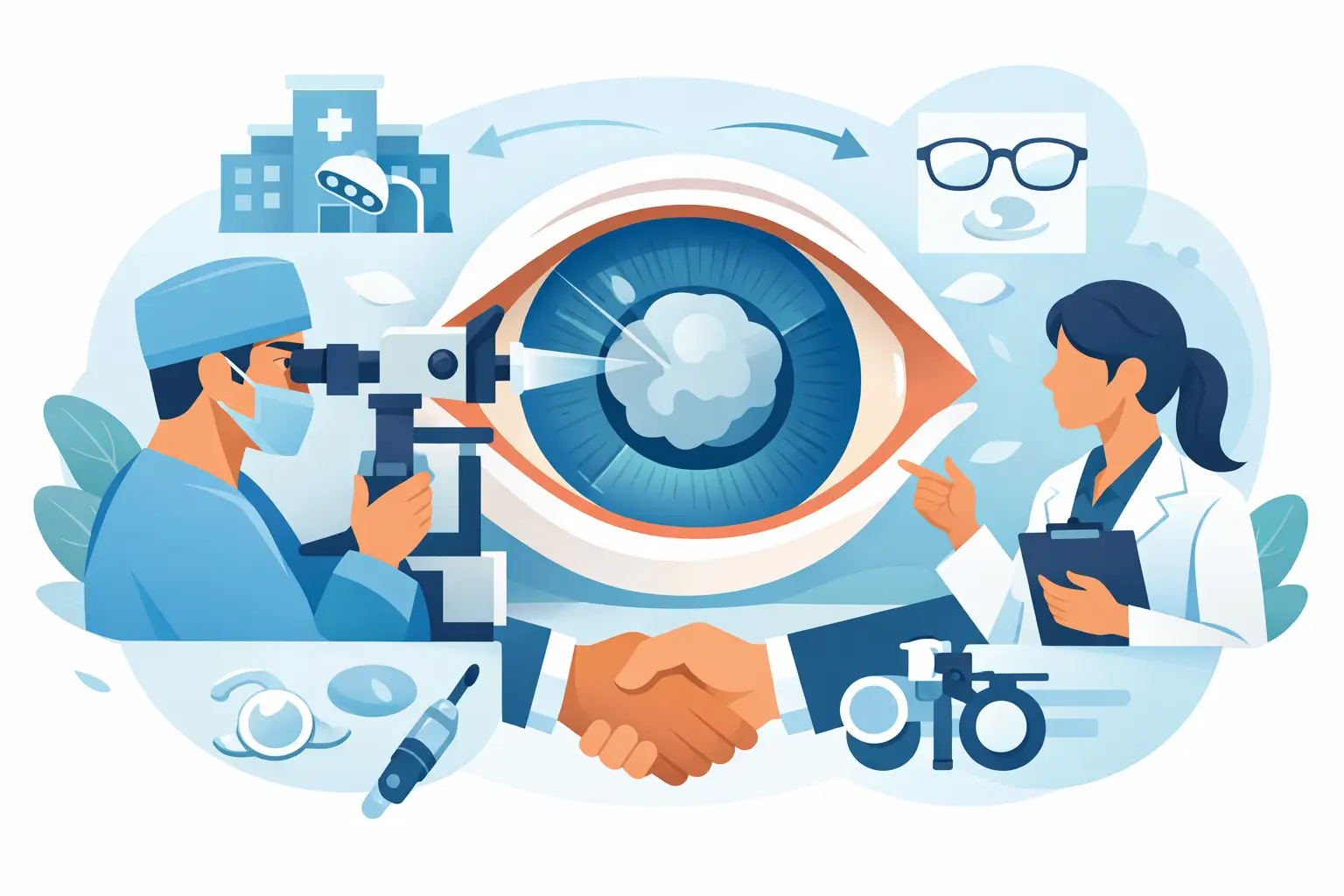
A comprehensive eye exam is best done at a full-scope optometry clinic that provides ongoing eye health care, not only vision checks. If a clinic focuses on complete care for children, adults, and seniors, that is usually a good sign. You want a place that can assess vision changes, screen for eye disease, help with glasses or contact lenses, and guide you if medical treatment or surgical co-management is needed.
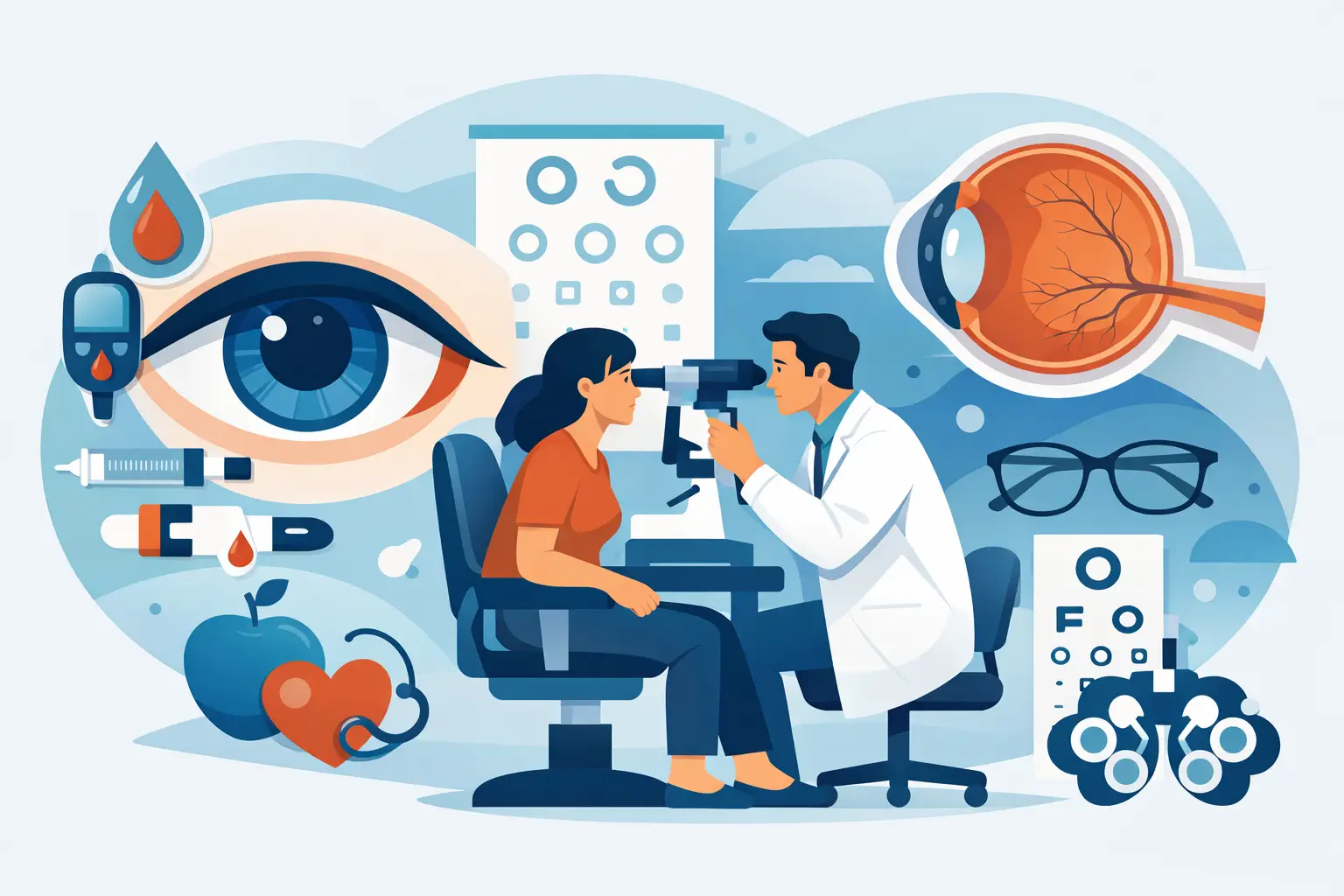
This matters because your eyes can reveal much more than whether you need stronger lenses. Dry eye, glaucoma, cataracts, retinal concerns, diabetes-related changes, and other conditions may develop gradually. In many cases, people do not notice obvious symptoms at first. A thorough exam helps catch those issues early, when treatment and management are often simpler and more effective.
A retail setting may be convenient for some people, and in some cases that may be enough for a basic prescription update. But if you have ongoing dryness, headaches, age-related concerns, kids who are struggling in school, or any change in vision that does not feel straightforward, a relationship-based optometry clinic is usually the better fit.
What should a comprehensive eye exam include?
When deciding where to get a comprehensive eye exam, it helps to know what you are actually paying for. A proper exam should include more than reading letters on a chart.
Your appointment should review your health history, medications, symptoms, and family eye health history. It should also include a refraction to determine whether glasses or contact lens prescriptions need updating. But that is only one piece of the visit.
A thorough exam should also evaluate how your eyes work together, how they focus, and whether there are signs of strain or functional vision problems. For children, this can be especially important, since a child may not realize that blurry vision, reduced depth perception, or poor tracking is unusual.
Eye health is another major part of the exam. Your optometrist should assess the front and back of the eye and look for early signs of disease or damage. Depending on your age, symptoms, and medical history, this may include additional testing or imaging. The exact tests can vary, and that is normal. Good care is personalized, not one-size-fits-all.
How to choose the right clinic
The best clinic for one person is not always the best clinic for another. A college student replacing a contact lens prescription may have different priorities than a senior monitoring cataracts or a parent booking a first eye exam for a child. Still, there are a few qualities that consistently matter.
First, look for a clinic that offers continuity of care. Eye health is not a one-time event. If your provider knows your history over time, subtle changes are easier to catch and recommendations tend to be more tailored to your needs.
Second, pay attention to whether the clinic treats eye care as health care, not just retail. Eyewear is important and can absolutely be part of the experience, but your exam should not feel secondary to the sale. A strong clinic makes room for both – careful medical attention and helpful guidance on glasses or contacts if you need them.
Third, consider the patient experience. Many people put off exams because they expect them to feel rushed, confusing, or overly clinical. A welcoming environment, clear explanations, and respectful care can make a big difference, especially for children, seniors, and anyone feeling anxious about their visit.
This is one reason many families prefer an independent clinic. Independent practices often have more flexibility to personalize care, spend time answering questions, and build long-term relationships with patients. At 4 Eyes Optometry, that kind of feel-good, thorough care is a big part of what families appreciate.
When convenience is helpful and when it is not enough
Convenience matters. Online booking, local access, family scheduling, and the ability to handle multiple needs in one place can make it far easier to keep up with regular eye care. For busy households, that is not a small thing.
But convenience should support quality, not replace it. If a location is easy to get to but your concerns are brushed aside or the exam feels rushed, that convenience may cost you in the long run. The right clinic should make care accessible while still being attentive and medically thorough.
This is especially relevant if you have dry eye symptoms, wear contact lenses, have a family history of eye disease, or are noticing changes like floaters, glare, trouble driving at night, or eye fatigue from screens. In those situations, a more comprehensive approach is usually worth it.
Who should book a comprehensive eye exam?
The better question may be who should not. Comprehensive eye exams are valuable for children, adults, and seniors, even if vision seems fine.
Children need exams because vision problems can affect reading, learning, attention, and confidence, and they may not complain clearly about what they are experiencing. Adults often benefit from regular exams because screen time, driving, contact lens wear, and subtle eye health changes all add up over time. Seniors need close monitoring because age increases the risk of cataracts, glaucoma, macular changes, and other conditions that are easier to manage when caught early.
There is also the group of people who feel mostly fine but have been postponing care. That is more common than you might think. If it has been a while since your last exam, or if your current provider only handled a quick prescription check, scheduling a comprehensive visit is a smart next step.
Signs you may need more than a basic exam
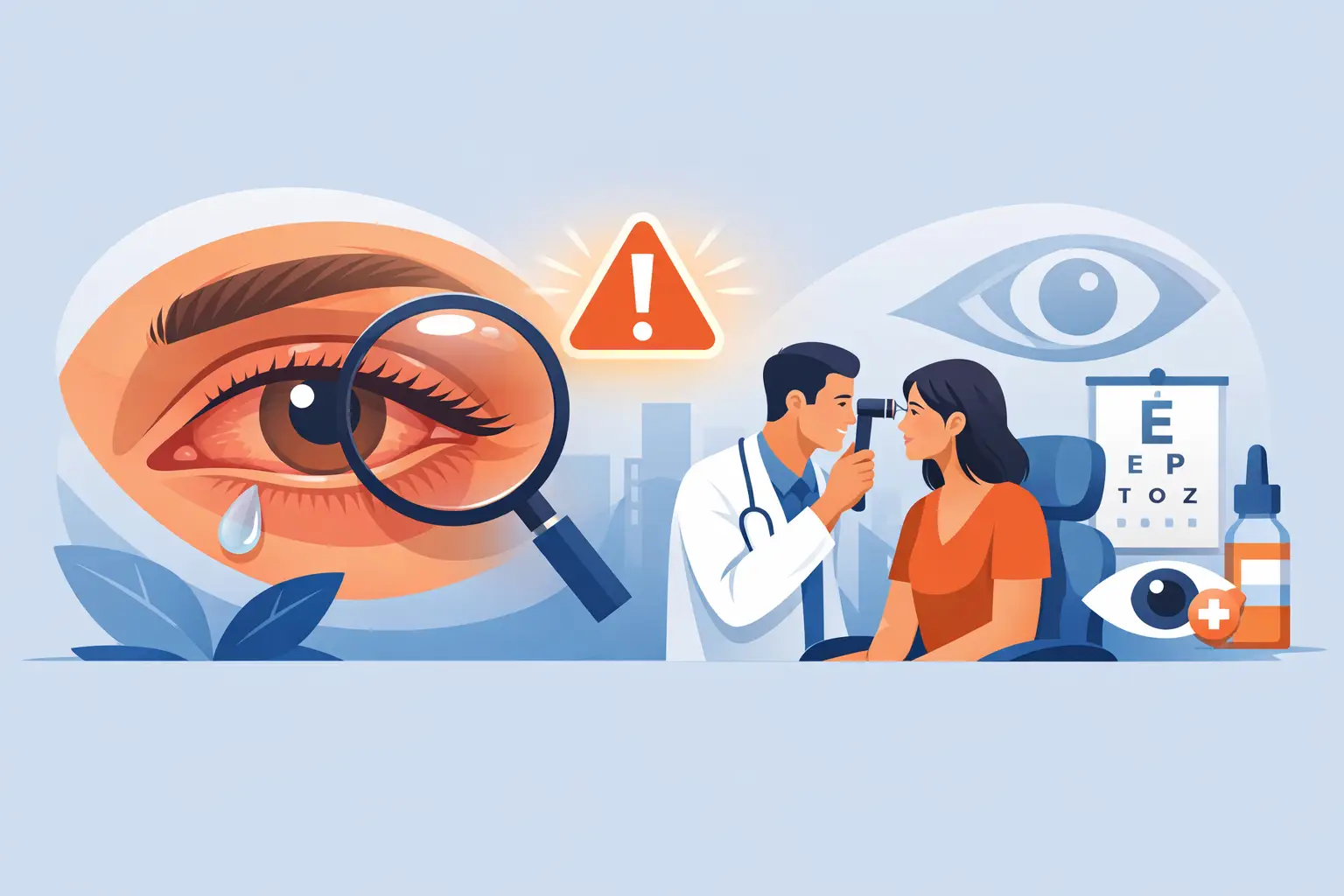
Some appointments are routine. Others deserve a closer look. If you have recurring headaches, eye strain, dry or irritated eyes, double vision, sudden blur, trouble focusing, or changing vision at different times of day, a basic screening may not tell the full story.
The same goes for people with diabetes, high blood pressure, autoimmune conditions, or a family history of glaucoma or retinal disease. You may need more frequent monitoring or added testing based on your risk factors. A good optometry clinic will explain what is recommended and why, without making the process feel overwhelming.
There is also value in having one place that can guide you through the next step if something unusual is found. If your clinic also manages urgent eye issues or works closely with surgeons when needed, that continuity can bring real peace of mind.
What a good visit should feel like
A comprehensive exam should feel careful, clear, and reassuring. You should have time to explain what you have been noticing, ask questions, and understand the results. If glasses, contacts, treatment, or follow-up care are recommended, those recommendations should make sense for your lifestyle, not just your chart.
That is often what people are really looking for when they ask where to get a comprehensive eye exam. They want confidence that someone is paying attention. They want care that feels personal. They want to know their family can return to the same place year after year and be looked after well.
That kind of care is worth seeking out, because healthy vision is not only about seeing clearly today. It is about protecting your comfort, independence, and eye health for the years ahead.
If you are choosing where to book, look for a clinic that combines thorough exams, a calm and welcoming atmosphere, and guidance you can trust. When eye care feels thoughtful and personal, keeping up with it becomes a lot easier.