Sticker shock usually happens when someone expects a quick vision check and realizes a true eye exam covers much more. If you’ve been asking what is a comprehensive eye exam cost, the honest answer is that the price can vary quite a bit depending on where you go, what’s included, and whether the visit is focused only on glasses or on your full eye health.
A comprehensive eye exam is not just about reading smaller and smaller letters across the room. It is a medical and preventive visit that looks at how well you see, how your eyes are functioning, and whether there are early signs of conditions that may affect your vision or overall health. That broader scope is exactly why prices differ.
What is a comprehensive eye exam cost based on?
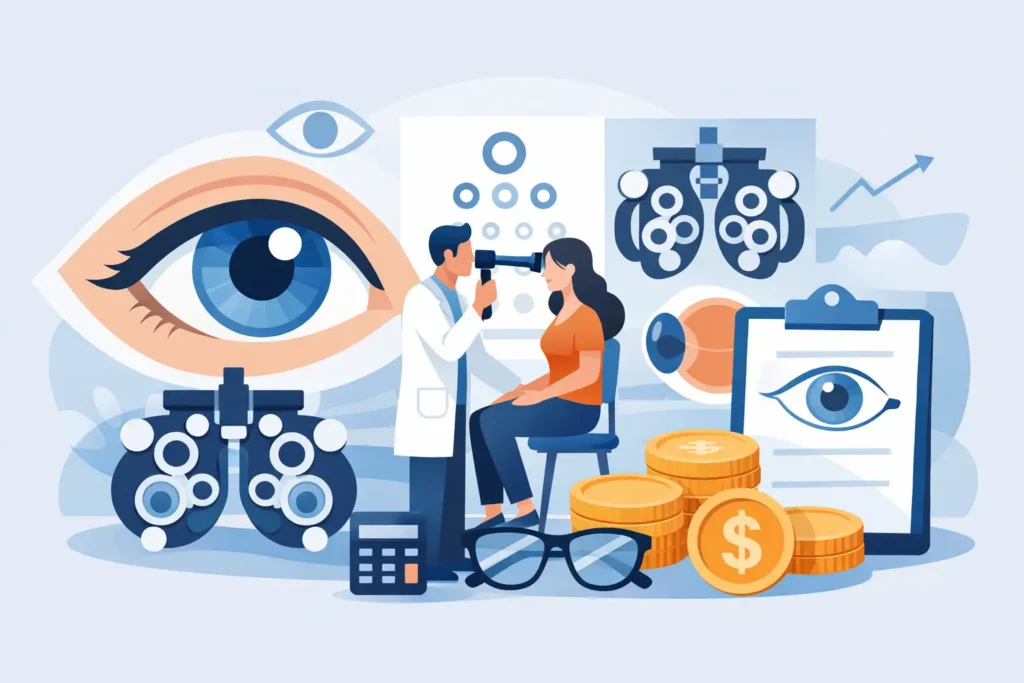
In most cases, a comprehensive eye exam for an adult without insurance may range from about $100 to $250 in the U.S. In some markets, it can be lower for a basic exam and higher if advanced testing is included. Pediatric exams, senior exams, and visits for people with more complex eye health needs may also fall at different price points.
That range can feel wide, but there is a reason for it. One clinic may price for a straightforward refraction and eye health screening, while another may include retinal imaging, more detailed binocular vision testing, or extra time for dry eye, contact lens needs, or medical concerns. Two exams can carry the same name but offer very different levels of care.
Location matters too. Costs in large metro areas are often higher than in smaller communities, and independent clinics may structure fees differently than big retail chains. Neither is automatically better or worse, but the experience, follow-up, and depth of care can be quite different.
What’s usually included in a comprehensive eye exam?
When people compare pricing, this is the section that matters most. A comprehensive exam typically includes a review of your medical history, current symptoms, medications, visual needs, and any changes you’ve noticed in your sight or eye comfort. From there, the doctor checks visual acuity, prescription needs, eye teaming and focusing, eye pressure, and the health of the front and back of the eye.
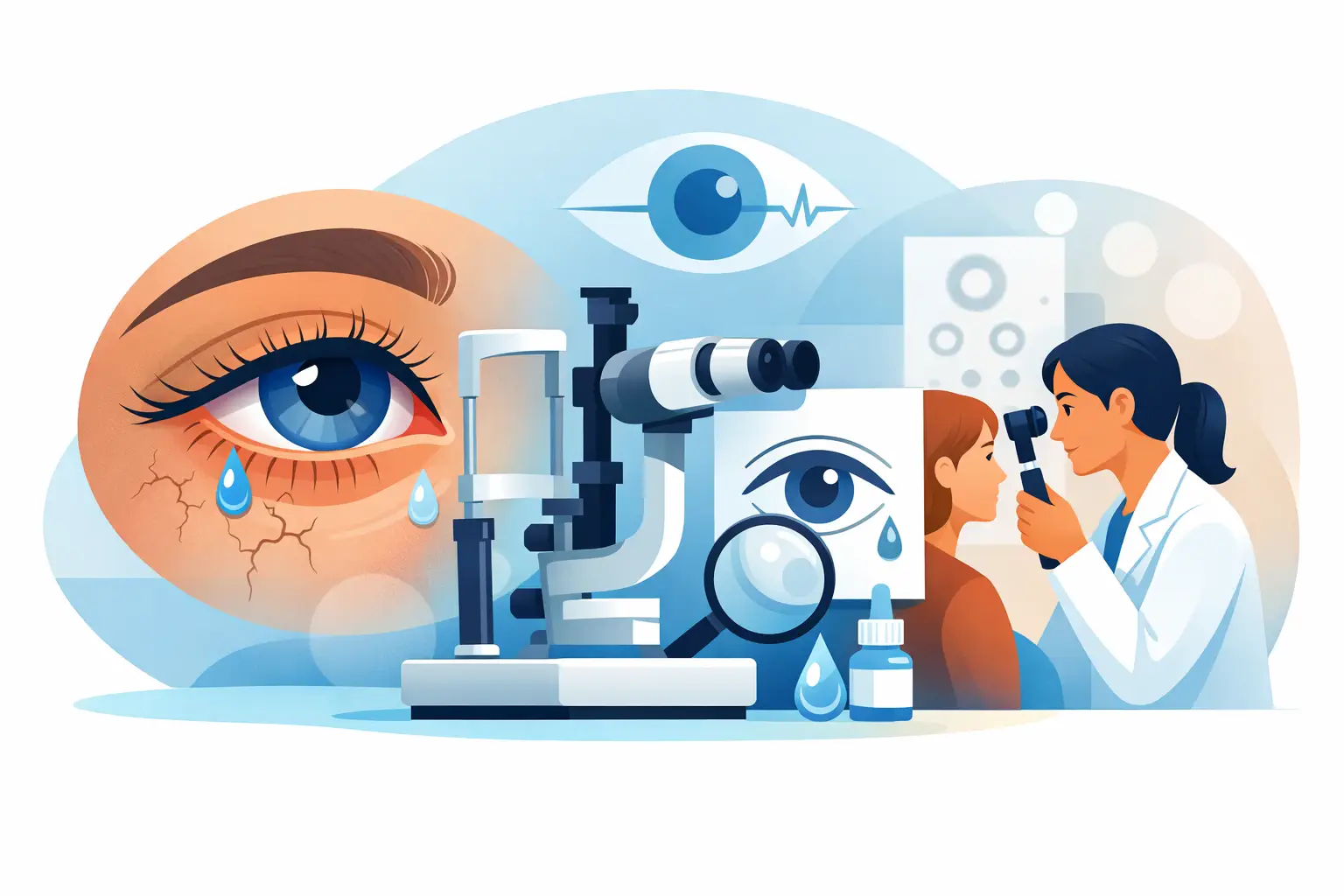
Depending on the office, the exam may also include dilation or retinal imaging to get a better view of the retina and optic nerve. That can help detect problems such as glaucoma, diabetic eye changes, macular degeneration, and other conditions before symptoms become obvious.
For many patients, that preventive piece is where the value really shows up. An exam that seems more expensive on paper may actually be more thorough, more personal, and better at catching issues early.
The prescription is only one part of the visit
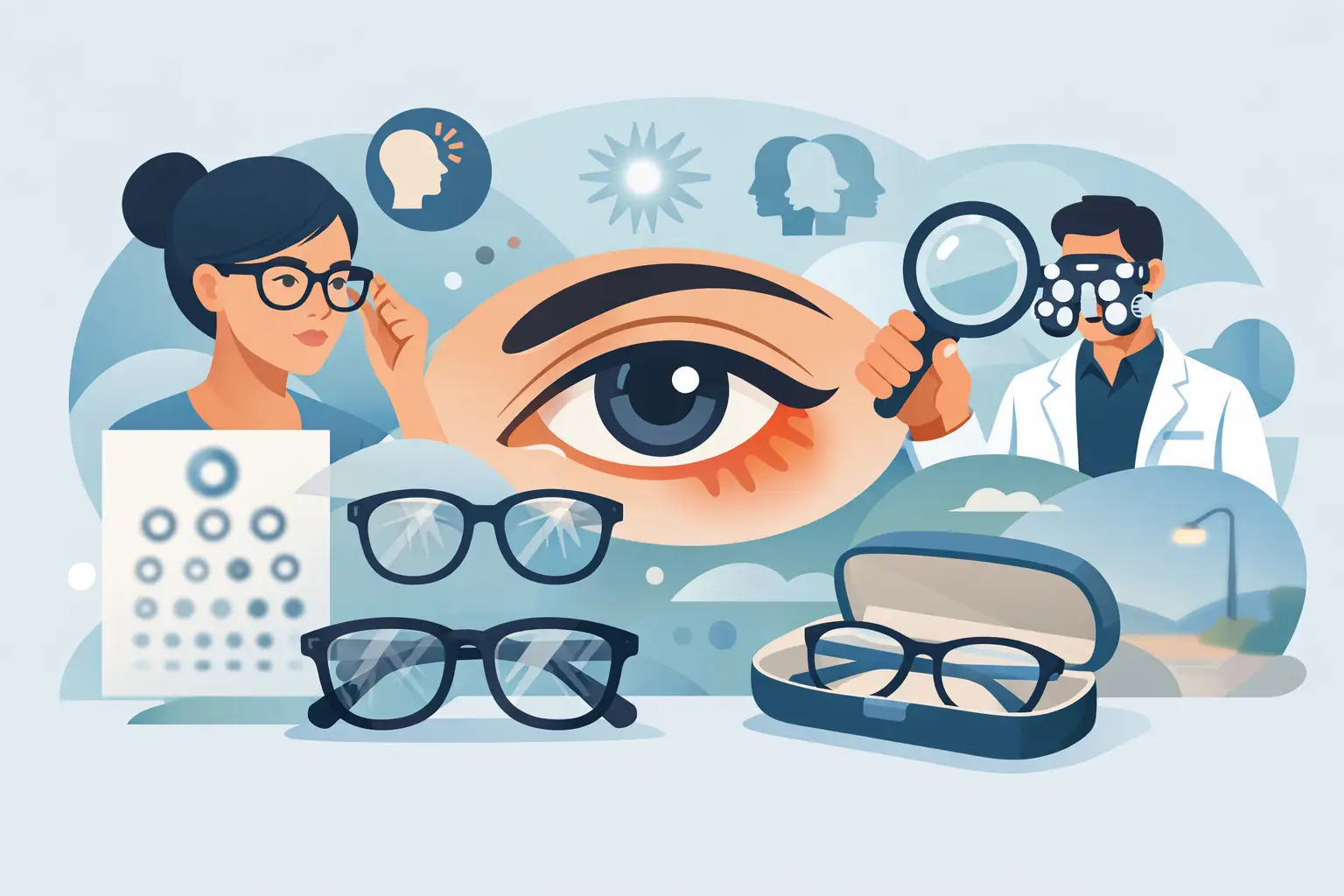
A lot of people assume the exam fee is just for updating glasses or contact lenses. In reality, the prescription is one part of a much bigger picture. You can have 20/20 vision and still have dry eye, retinal changes, eye muscle strain, or early signs of health conditions that deserve attention.
That’s why the lowest advertised price does not always tell the full story. A very cheap exam may work fine for some situations, but it may not include the time, testing, or continuity many families want from their ongoing eye care.
Why one clinic may charge more than another
The biggest cost differences usually come down to exam depth, technology, provider expertise, and the amount of time reserved for each patient. A clinic that builds visits around personalized care often schedules more time to ask questions, explain findings clearly, and make recommendations that fit your daily life.
That matters if you are bringing in a child who is struggling at school, a senior managing vision changes, or an adult dealing with headaches, screen fatigue, or dry eyes. Those visits are rarely one-size-fits-all.
Technology can also affect pricing. Digital retinal imaging, advanced dry eye evaluation, visual field testing, and other tools may be included in the exam fee or billed separately. These tests are not automatically necessary for every person, but they can be extremely helpful depending on age, risk factors, and symptoms.
Retail exam vs independent clinic exam
A retail setting may offer a lower entry price, especially if the goal is primarily to renew a glasses prescription. An independent clinic may charge more, but often offers more continuity, more personalized recommendations, and a stronger relationship with the doctor over time.
For families and patients who value proactive care, that difference can be meaningful. Seeing the same team regularly makes it easier to track changes, notice patterns, and adjust care as life changes.
Does insurance cover a comprehensive eye exam?
Sometimes yes, sometimes partly, and sometimes not at all. Coverage depends on whether you have vision insurance, medical insurance, both, or neither. Vision plans may help with routine exams and materials like glasses or contact lenses. Medical insurance may apply if the visit is related to symptoms, eye disease, diabetes, injury, or another medical concern.
This is where things can get confusing. A visit that starts as a routine exam can shift into a medical eye care visit if the doctor identifies an issue that needs diagnosis or follow-up. That may affect billing and out-of-pocket costs.
The safest approach is to ask in advance what the quoted fee includes, whether imaging is extra, whether contact lens services are separate, and how your specific coverage applies. Clear expectations make the whole experience feel easier.
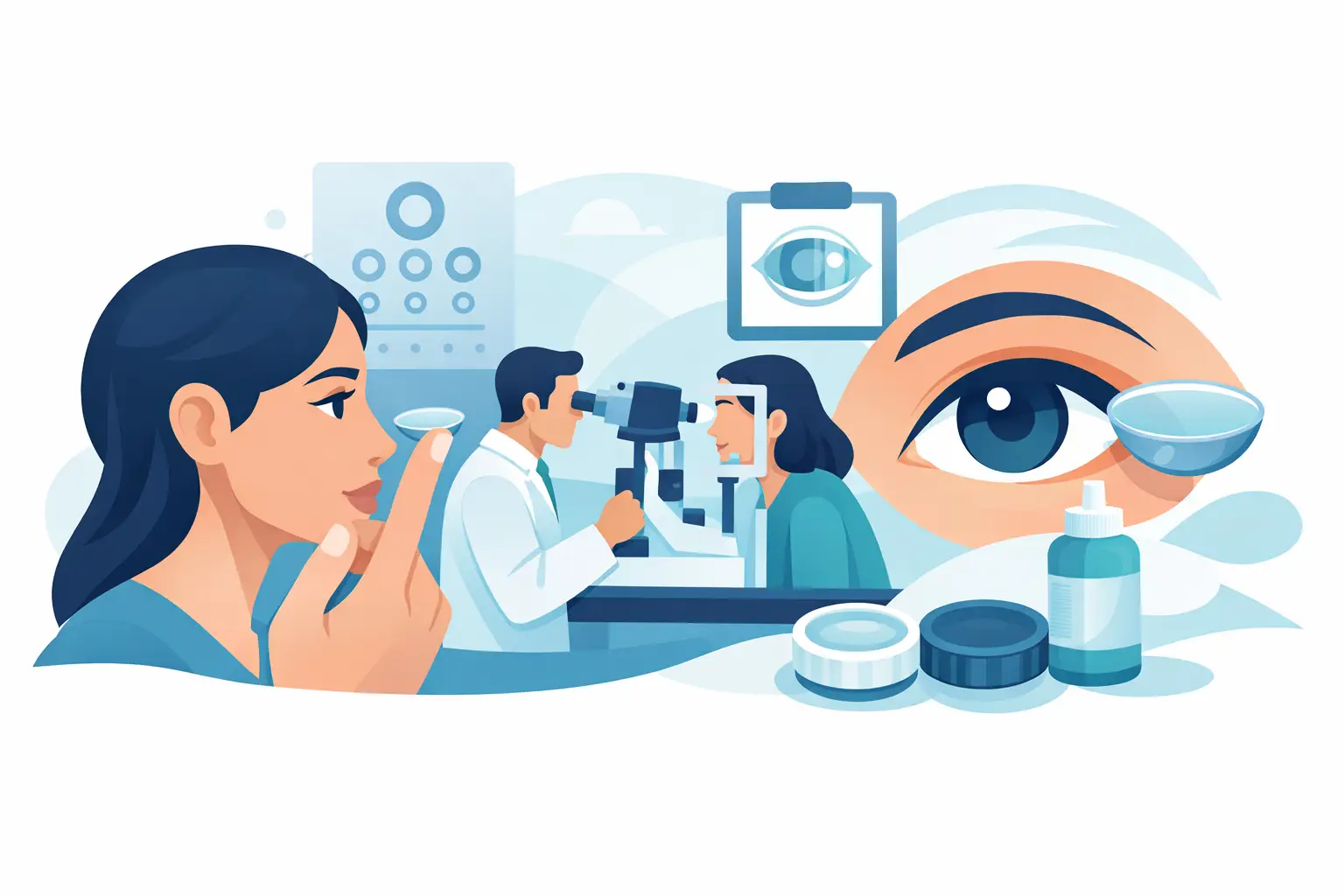
Are contact lens exams included?
Usually, not completely. A comprehensive eye exam and a contact lens exam are related, but they are not the same service. If you wear contacts or want to start wearing them, there is often an additional fee for contact lens fitting, measurements, trial lenses, or prescription updates specific to contacts.
This extra fee reflects the added work involved. Contact lenses sit directly on the eye, so the doctor needs to evaluate fit, comfort, eye surface health, and how the lenses perform throughout the day. For some patients, especially those with dry eye or astigmatism, this takes more time and more follow-up.
When a higher exam cost may be worth it
Not every patient needs the most advanced testing at every visit. But there are times when paying more for a comprehensive exam makes good sense. If you have diabetes, high blood pressure, a family history of glaucoma, ongoing dry eye, frequent headaches, trouble with night driving, or noticeable changes in your vision, a more thorough evaluation can offer real peace of mind.
The same is true for children. A child may pass a basic vision screening and still struggle with focusing, tracking, or eye coordination. A comprehensive exam looks deeper than a school screening, which can be especially helpful when parents have concerns about reading, attention, or visual comfort.
For older adults, exam value often comes from monitoring change over time. Cataracts, macular degeneration, glaucoma, and other age-related conditions benefit from regular, thoughtful follow-up rather than rushed visits.
How to compare eye exam prices without guessing
If you are calling around, ask a few simple questions. Does the fee include dilation or retinal imaging? Is there a separate charge for contact lens evaluation? How long is the appointment? Will you review both prescription needs and overall eye health? Is follow-up included if something needs more attention?
Those answers tell you much more than the number alone. A lower fee may be perfectly reasonable, or it may mean certain services are added later. A higher fee may reflect a more complete visit from the start.
At a relationship-focused practice like 4 Eyes Optometry, the goal is not just to hand over a prescription and move on. It is to understand your concerns, look after your eye health thoroughly, and give you recommendations that make daily life easier and more comfortable.
So, what should you expect to pay?
For many people paying out of pocket in the U.S., expecting somewhere around $100 to $250 is a practical starting point for a comprehensive eye exam. Beyond that, the final number depends on age, symptoms, testing, insurance, and whether contact lens services or medical concerns are part of the visit.
That may sound less tidy than a single set price, but it is more useful. Eye care is personal. The right exam is not just the cheapest one or the fastest one. It is the one that gives you a clear understanding of your vision, your eye health, and what comes next.
If cost is part of your decision, ask questions and compare what is actually included. A thoughtful exam can do much more than update your prescription – it can help you catch problems early, feel confident about your care, and keep your eyes working well for the moments that matter most.