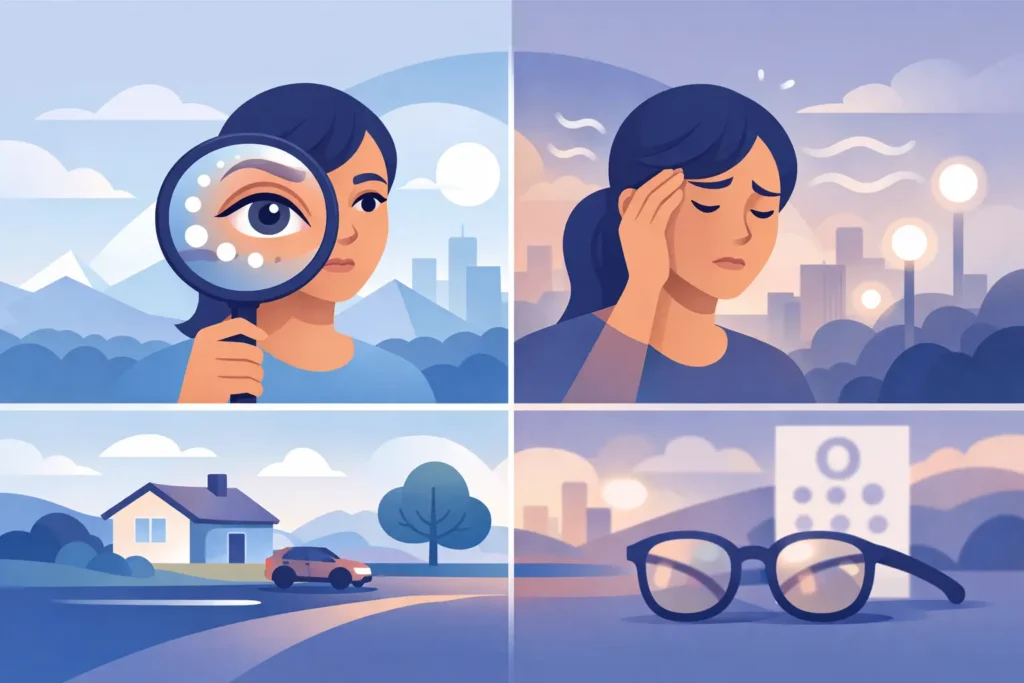
A menu that seems dimmer than usual. A child moving closer to the TV. Headlights that suddenly create more glare on an evening drive. These small moments are often how to spot vision changes before they become a bigger interruption to school, work, driving, or the activities you enjoy.
Vision can change gradually enough that your brain compensates for it. You may not notice you are squinting more, increasing the font size on your phone, or avoiding night driving until those habits become routine. Paying attention to changes in how your eyes feel and how clearly you see can help you get the right care sooner, with less stress.
How to Spot Vision Changes in Everyday Life
Not every vision change is dramatic. In fact, many begin as a subtle difference in comfort, clarity, or effort. You might still be able to complete your usual tasks, but they take more concentration than they once did.
Blurred vision is one of the most recognizable signs, but it can show up in different ways. Some people notice distance signs, faces, or the television are less sharp. Others can see across a room clearly but struggle to read a text message, recipe, or medication label. If vision is blurry in one eye more than the other, or comes and goes, make note of when it happens and mention it at your eye exam.
Eye strain can be another early clue. Your eyes may feel tired, sore, dry, or heavy after computer work, reading, or driving. A prescription update may help, but eye strain can also be related to dry eye, screen habits, lighting, or how your eyes work together. That is why a comprehensive exam is more useful than simply assuming you need stronger glasses.
Headaches can sometimes be connected to vision, especially when they appear after close work or when you are trying to focus at a distance. Headaches have many possible causes, so they do not automatically mean an eye problem. Still, recurring headaches paired with squinting, blur, or eye fatigue are worth discussing with an optometrist.
Changes in night vision deserve attention, too. You may find it harder to see pedestrians, lane markings, or signs in low light. Halos around lights, increased glare from headlights, and slower adjustment when moving from a bright space into a dark one can affect confidence and safety behind the wheel.
Signs That Should Not Wait
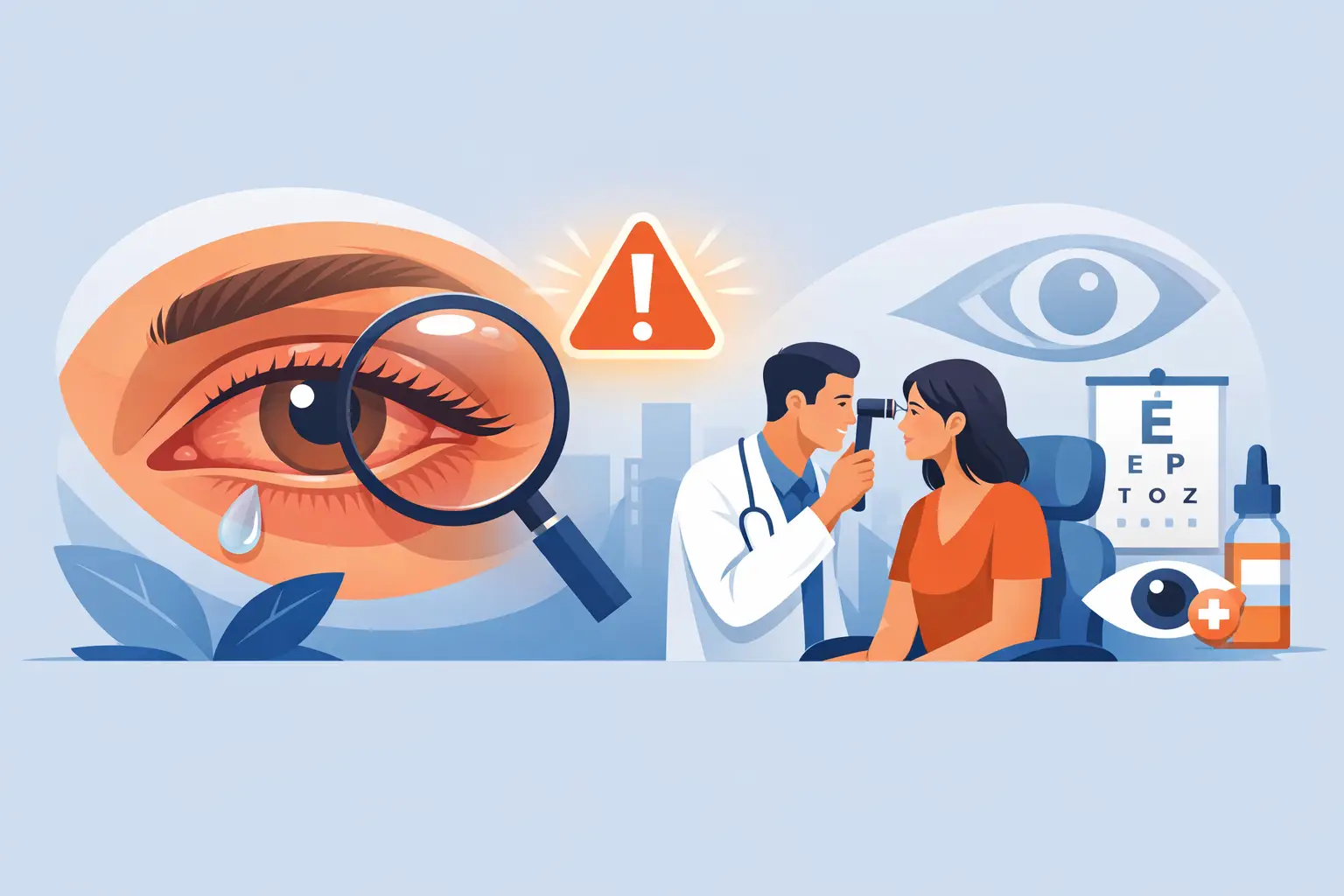
Some symptoms need prompt medical eye care rather than waiting for your next routine appointment. A sudden shower of new floaters, flashes of light, or a dark curtain or shadow in your field of vision can be warning signs of a retinal problem. Sudden vision loss, double vision, severe eye pain, significant redness, or an eye injury should also be assessed urgently.
It is especially important to act quickly if symptoms come on suddenly or affect one eye. Even if they improve, do not assume the issue has passed. Timely assessment can make a meaningful difference for certain eye conditions.
For urgent symptoms, contact an eye care professional right away. If you cannot access urgent eye care promptly, seek emergency medical attention. It is always better to have a concerning symptom checked than to wait and hope it resolves on its own.
Vision Changes Can Look Different at Every Age
A family’s eye care needs change over time, and so do the signs to watch for.
Children may not say they cannot see clearly
Children often assume everyone sees the way they do. Rather than telling you their vision is blurry, they may sit very close to screens, hold books unusually near their face, lose their place while reading, or avoid detailed activities. Frequent blinking, eye rubbing, headaches after school, and a short attention span for close work can also be clues.
A child who is struggling to see may be labeled distracted or uninterested when the real issue is visual effort. Regular children’s eye exams help identify concerns that may affect learning, confidence, sports, and daily comfort. A school vision screening can be helpful, but it is not a substitute for a full eye examination.
Adults often notice effort before blur
For adults, a change may first appear as the need to work harder to see comfortably. You may need brighter light for reading, take more breaks from the computer, or find yourself removing your glasses to look at something close. Difficulty shifting focus from a screen to across the room can become more noticeable in the 40s and beyond, often due to normal age-related changes in near focusing.
However, normal aging should not mean simply putting up with discomfort. Clearer lenses, updated prescriptions, dry eye treatment, or practical changes to your visual setup may make a real difference in how you feel through the day.
Seniors should watch for changes in quality of vision
As we age, it is helpful to pay attention not only to sharpness but also to the quality of vision. Colors that look less bright, more glare, reduced contrast on stairs or curbs, and trouble recognizing faces in dim restaurants can all be meaningful changes to mention. Some age-related eye conditions develop slowly and may not cause pain, which makes regular comprehensive exams especially valuable.
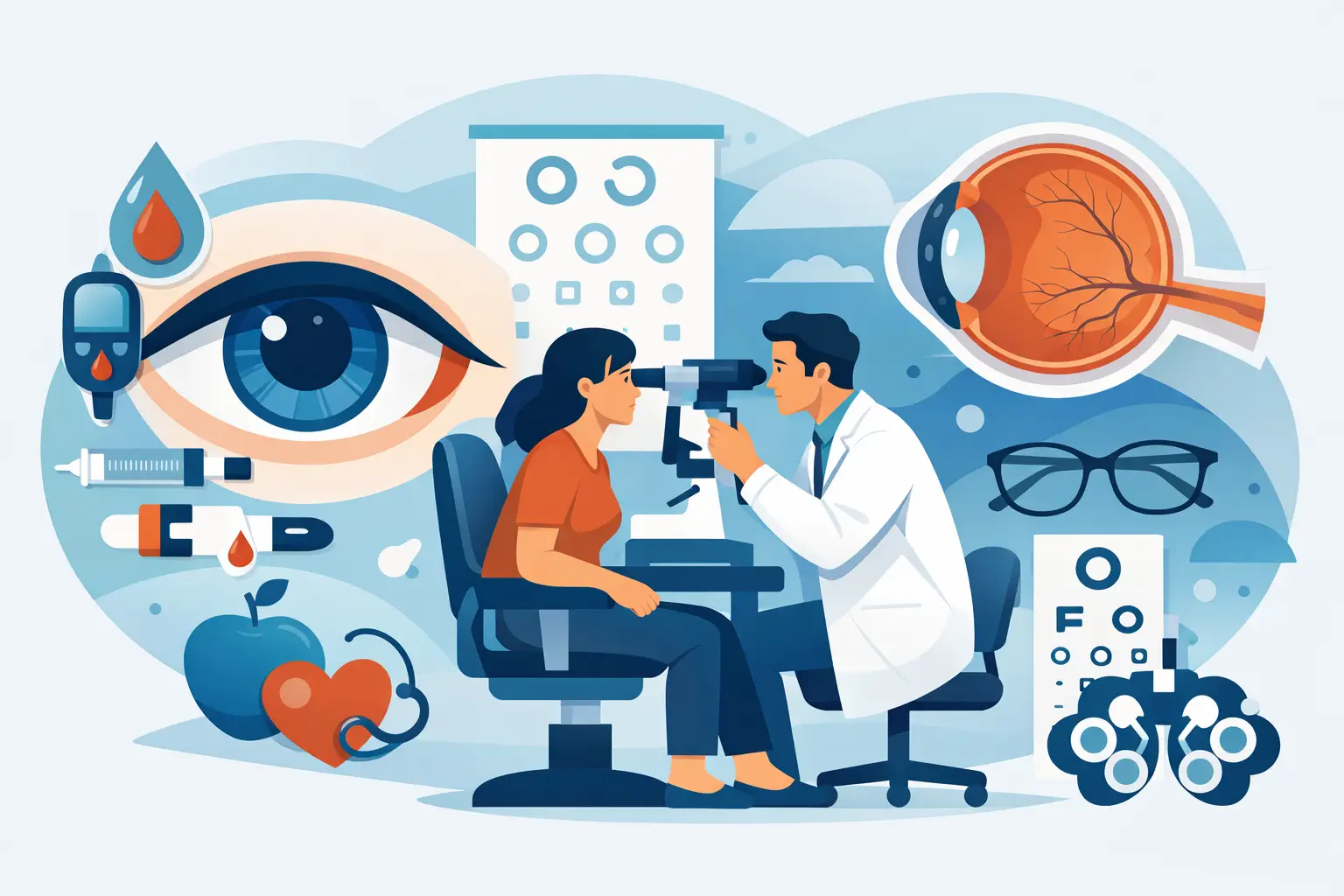
If you have diabetes, high blood pressure, a family history of eye disease, or take medications that may affect the eyes, your exam schedule may need to be more frequent. Your optometrist can recommend a plan based on your individual health and visual needs.
Notice Patterns, Not Just One Bad Day
Eyes can feel off after poor sleep, allergies, a long day at a screen, or time spent in dry air. One afternoon of tired eyes is not necessarily a reason for alarm. The more useful question is whether the symptom is recurring, worsening, or changing what you do.
Consider when the issue happens. Is it only while reading? Only late in the day? Only when wearing contact lenses? Does it improve after blinking or using lubricating drops, or does it persist? These details help your optometrist look beyond the prescription and understand the full picture.
Keep in mind that a new pair of glasses can take a short adjustment period, particularly with progressive lenses or a significant prescription change. But persistent dizziness, distortion, headaches, or discomfort should be checked rather than tolerated.
Why an Eye Exam Offers More Than a Prescription Update
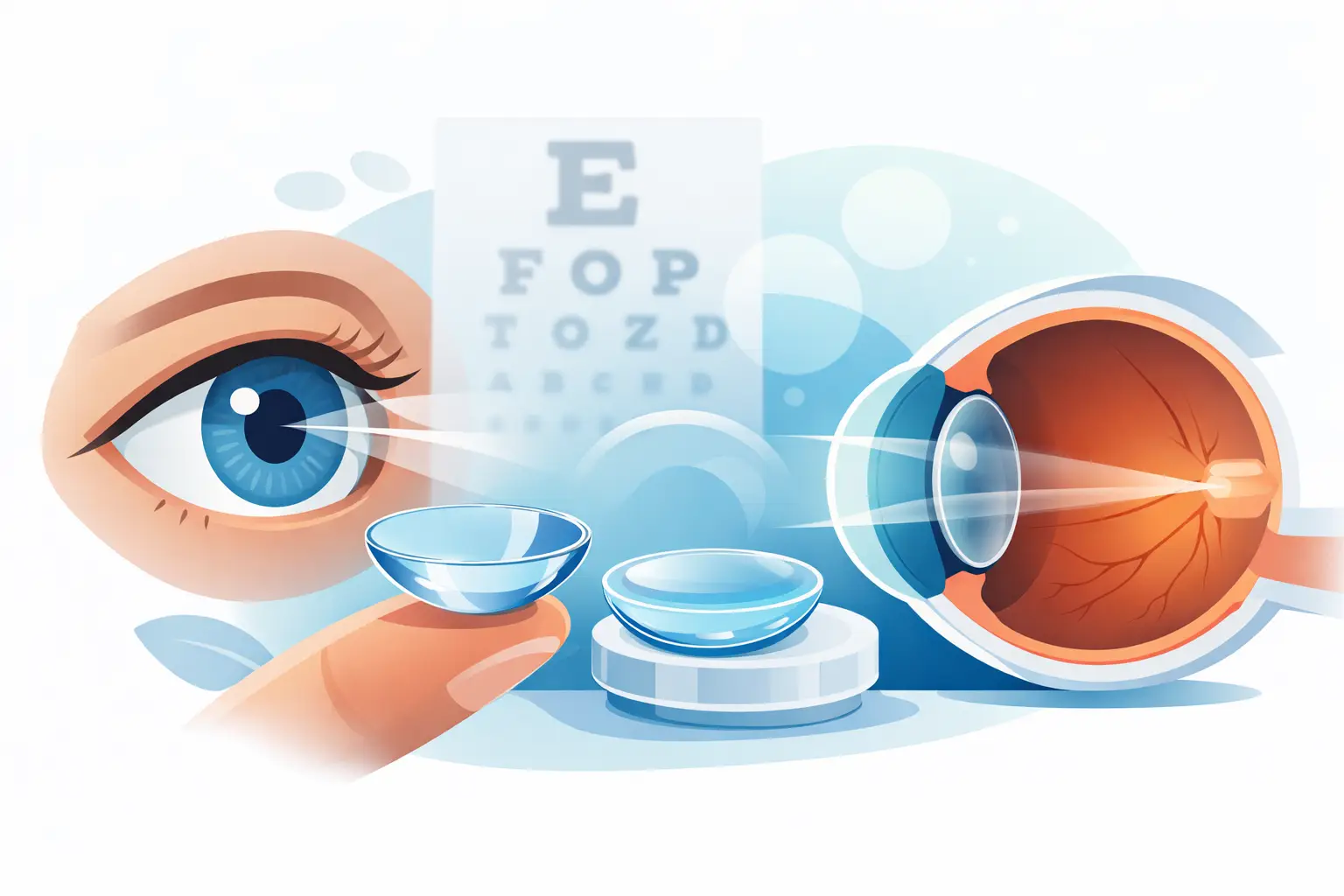
Online vision checks and quick screenings may identify whether you can read certain letters, but they do not replace a comprehensive eye exam. Your optometrist evaluates how well you see, how your eyes focus and work together, and the health of the inside and outside of your eyes.
Many eye health concerns are quiet in their early stages. A thorough examination can help identify changes before they noticeably affect your vision. It also creates a helpful record over time, so subtle shifts are easier to recognize at future visits.
At 4 Eyes Optometry, care is built around getting to know your vision, eye health, daily routines, and concerns, not just recording a prescription. Whether you need support with dry eyes, contact lenses, a child’s first exam, or a sudden new symptom, personalized guidance can make the next step feel clear and manageable.
A Simple Way to Stay Proactive
Pay attention when seeing takes more effort than it used to. Notice whether you are changing your habits to compensate, such as sitting closer, avoiding driving at night, turning up lights, or relying on one eye more than the other. Then share those observations at your appointment, even if they seem minor.
Your eyes do a great deal quietly every day. Giving small changes the attention they deserve is a practical way to protect your comfort, confidence, and long-term eye health.