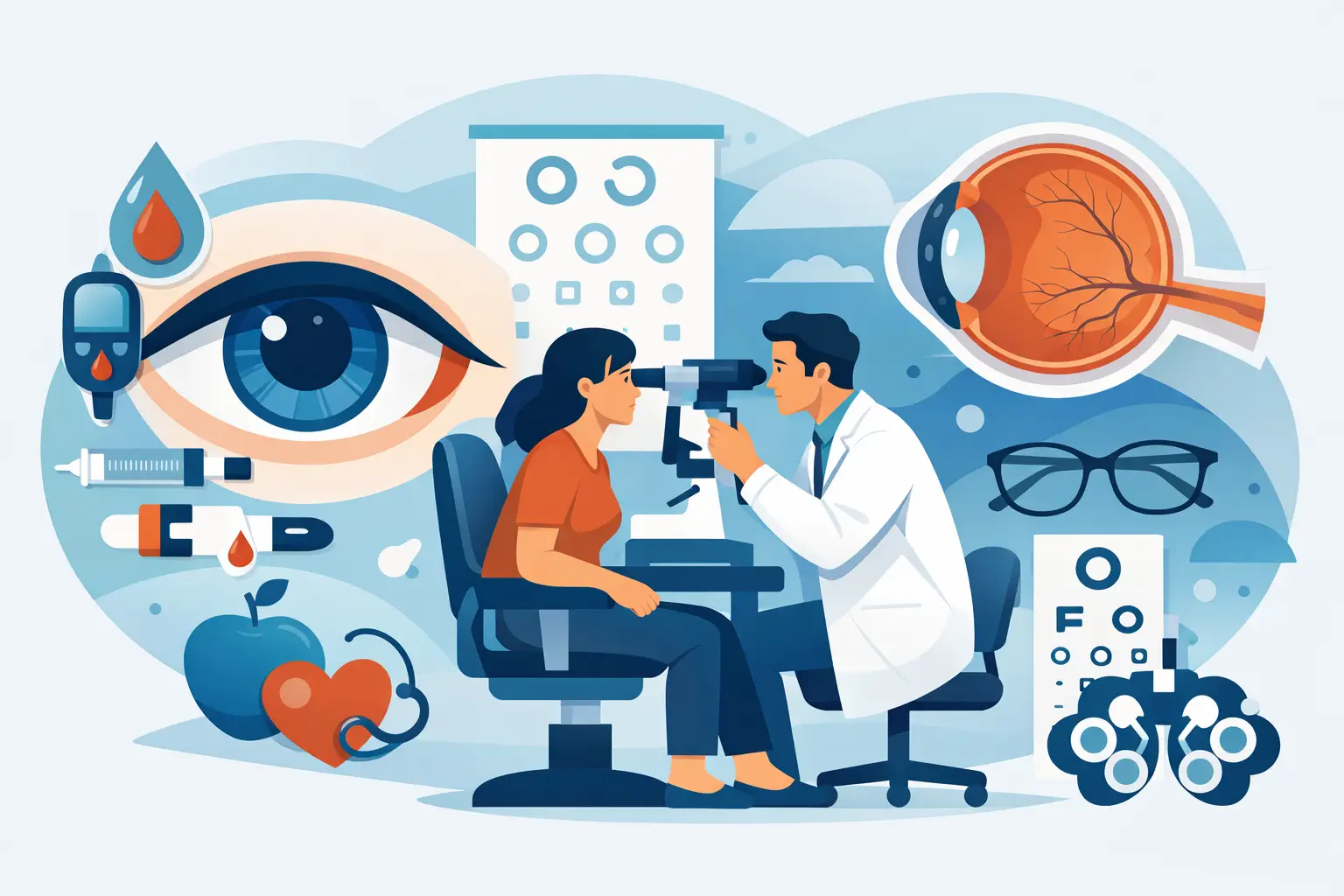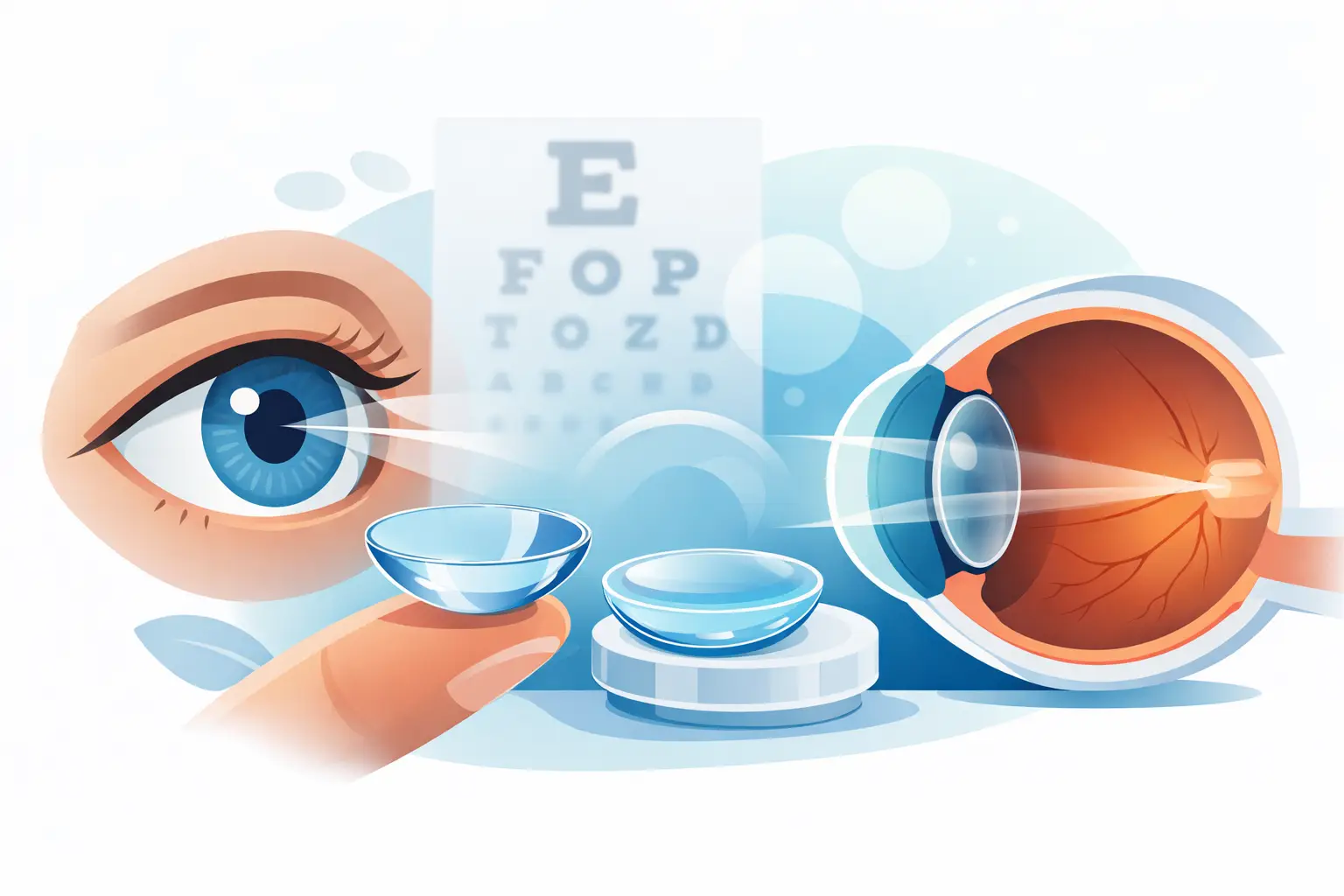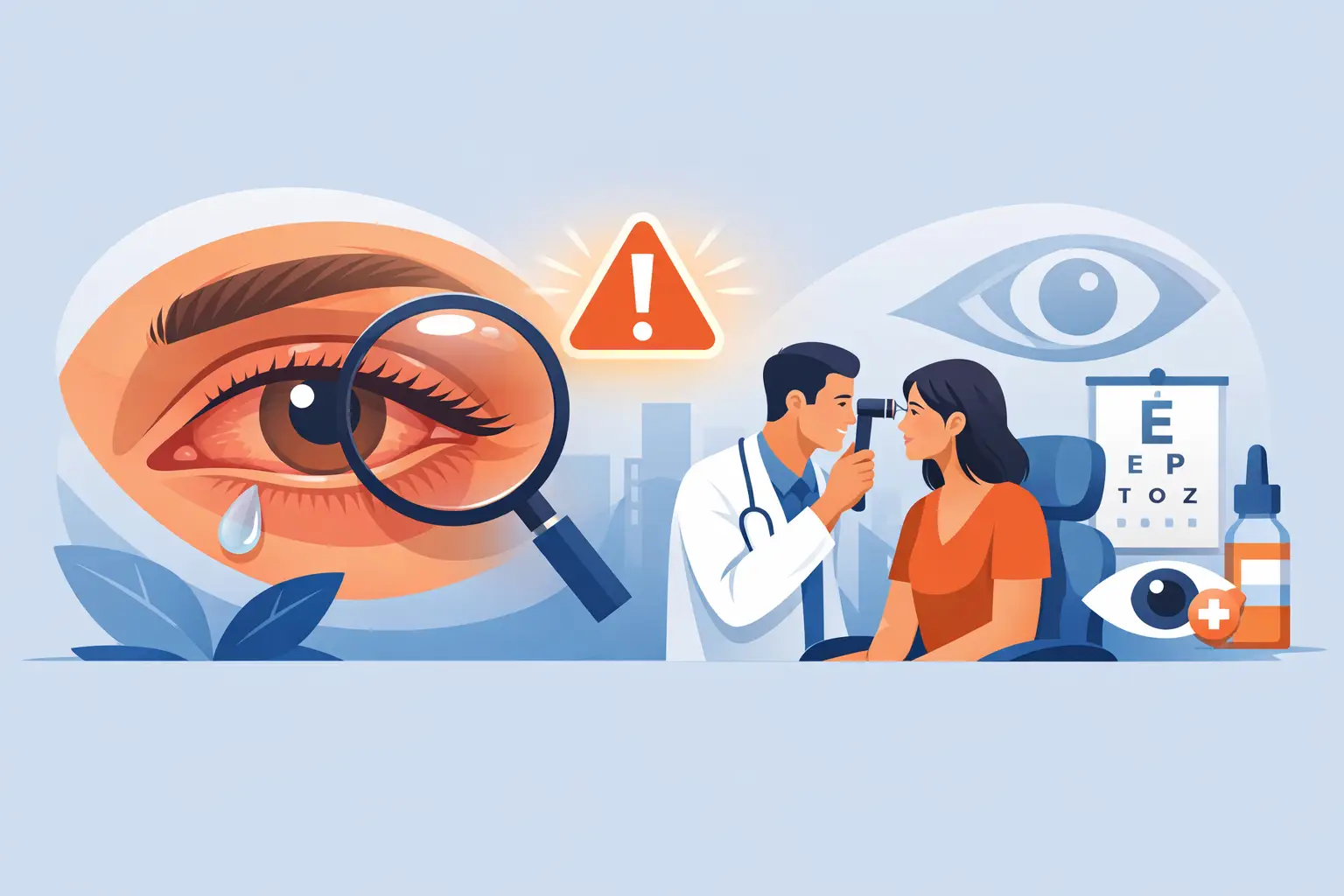
If your appointment is coming up and you are wondering how to prepare for eye exam visits, a little planning can make the whole experience feel easier. Most people do not need to do much, but bringing the right information and knowing what to expect helps your optometrist focus on what matters most – your vision, your comfort, and your long-term eye health.
An eye exam is not just about updating a glasses prescription. It is also a chance to catch changes in eye health early, talk through symptoms that may be bothering you, and make sure your vision is working well for your real life. That might mean clearer distance vision for driving, less eye strain at work, more comfortable contact lenses, or support for a child who is struggling to see the board at school.
How to Prepare for Eye Exam Appointments
The best preparation starts before you walk through the door. Think of your exam as a conversation, not a test you need to pass. Your optometrist is there to understand how your eyes are doing and what kind of support makes sense for your age, routine, and concerns.
A good first step is to pay attention to any changes you have noticed. Maybe reading has become harder in the evening, your eyes feel dry by the end of the day, or headaches seem to show up after screen time. Even small details are helpful. Patients often assume something is too minor to mention, but those details can shape the exam and the recommendations that follow.
It also helps to gather a few basics ahead of time. Bring your current glasses, sunglasses if they are prescription, and any contact lenses you wear along with the box or brand information if you have it. If you use eye drops, bring those too or take a photo of the label. This gives your optometrist a clearer picture of what you are currently using and what is or is not working well.
What to Bring to Your Eye Exam
Most eye appointments go more smoothly when you bring a short list of essentials. Your photo ID, insurance information if applicable, and a list of medications are the practical basics. If you have had eye surgery, an eye injury, or a diagnosis such as glaucoma, cataracts, diabetes, or dry eye, be ready to share that history as well.
Family history matters more than many people realize. Conditions like glaucoma, macular degeneration, and certain retinal issues can run in families. If a parent, sibling, or grandparent has had an eye disease, mentioning it helps your optometrist know what to watch more closely over time.
For children, it can be helpful for parents to bring notes from teachers or observations from home. Squinting, sitting very close to screens, avoiding reading, frequent eye rubbing, or losing their place on the page can all be relevant. Kids do not always have the words to explain what they are seeing, so those patterns matter.
Be Ready to Talk About Symptoms
One of the most useful things you can do before an exam is spend a minute thinking about what has changed. If your vision is blurry, when does it happen? Is it worse at near or far? Does it come and go, or has it been getting steadily worse?
The same goes for discomfort. Dryness, burning, watering, light sensitivity, double vision, flashes, floaters, headaches, or trouble focusing are all worth mentioning. There is no need to use medical language. Plain descriptions are often the most helpful because they reflect what daily life actually feels like.
Try to include timing and patterns when you can. Saying, “My eyes feel tired every afternoon after computer work” gives more useful context than simply saying, “My eyes bother me sometimes.” That kind of detail helps your optometrist connect symptoms to causes and recommend something that fits your routine.
If You Wear Contacts, Plan Ahead
Contact lens wearers sometimes need a little extra preparation depending on the reason for the visit. If you are coming in for a contact lens evaluation, your office may want you to arrive wearing your lenses or bring them with you. In other cases, especially if your eyes have been irritated, it may be better to leave them out for a period before the appointment.
This is one of those areas where it depends on the type of exam and your specific situation. If you are unsure, it is perfectly reasonable to call ahead and ask. A quick check can save time and make sure the exam reflects your eyes accurately.
If you have been having trouble with comfort, do not throw away the details. Bring the brand, the replacement schedule, and how many hours a day you usually wear them. Problems with contacts are not always about the lens itself. Sometimes the issue is dryness, screen habits, allergies, fit, or overwear.
Know That Dilation May Affect Your Day
Not every exam includes dilation, but some do, especially when a closer look at the retina and internal eye health is needed. Dilating drops can make your vision blurry for reading and can increase light sensitivity for a few hours. For many adults, it is manageable, but it is still smart to be prepared.
If you are sensitive to light, bring sunglasses. If you have a packed day of close-up work planned right after your appointment, it may be worth leaving yourself a little breathing room. Some people are comfortable driving afterward, while others prefer not to. If you are concerned, ask in advance so you can decide whether to bring someone with you.
This is especially helpful for seniors, first-time patients, or anyone who feels anxious about the unknown. Knowing what might happen takes away a lot of the stress.
A Few Things to Do the Night Before
You do not need a big routine, but a few simple steps can help. Get a decent night’s sleep if you can, since tired eyes can feel more irritated and strained. If you wear eye makeup, plan to keep it light the day of your exam, particularly if you are being seen for dryness, irritation, or contact lens concerns.
If your child has an appointment, talk about it in a calm, positive way. Children do best when they know the visit is there to help, not to judge them. Avoid saying things like, “Just do your best so you do not fail.” Eye exams are meant to be supportive, and setting that tone ahead of time helps kids feel more at ease.
For adults, it can also help to jot down two or three questions you do not want to forget. Once the exam starts, it is easy to focus on the testing and then remember your real question in the parking lot.
Questions Worth Asking During the Visit
A thorough eye exam should leave you with more clarity, not more confusion. If something is unclear, ask. Good eye care is collaborative, and your questions help make the recommendations more personal and useful.
You might ask whether your prescription changed significantly, whether your symptoms suggest dry eye or digital eye strain, or whether there are signs of age-related changes to monitor. Parents may want to ask how vision could be affecting school performance or whether their child should be rechecked sooner than the usual schedule.
If glasses or contacts are recommended, ask how they match your lifestyle. Someone who drives at night, works on a computer all day, plays sports, or switches constantly between reading and distance tasks may need a different solution than someone with simpler visual demands. Personalized advice usually works better than choosing the most basic option and hoping for the best.
Why Preparation Matters More Than People Think
When patients arrive prepared, the appointment often feels calmer and more productive. There is less guesswork, fewer forgotten details, and more time to focus on meaningful care. That matters whether you are bringing in a toddler for a first eye exam, managing changing vision as an adult, or keeping a close watch on eye health as a senior.
At a relationship-focused clinic like 4 Eyes Optometry, preparation also supports continuity of care. The more your optometrist understands your history, habits, and concerns, the easier it is to track changes over time and make recommendations that truly fit you. That kind of care feels different because it is different – more personal, more proactive, and less rushed.
If you have been putting off your appointment because you were not sure what to expect, take that as a sign to keep it simple. Bring your glasses, your questions, and a few notes about what your eyes have been doing lately. That is more than enough to get the conversation started, and often that is exactly where better vision and healthier eyes begin.