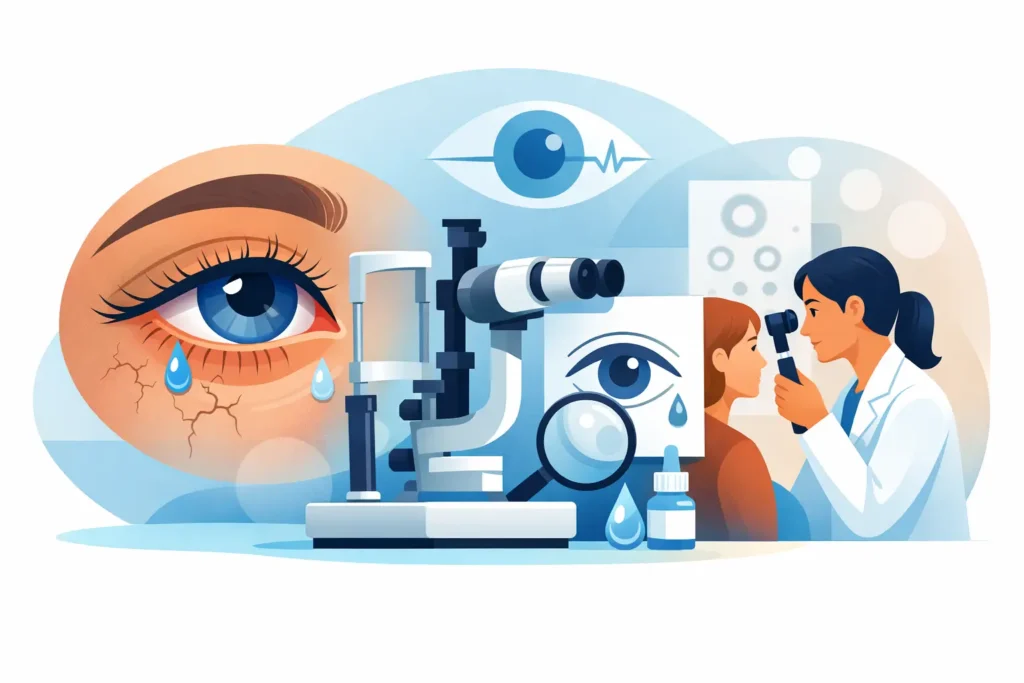
Dry, burning eyes at the end of the day can seem easy to brush off. Many people assume it is just screen time, allergies, or getting older. But a proper guide to dry eye diagnosis starts with one simple idea – irritation is a symptom, not the diagnosis itself.
Dry eye can show up in different ways, and the best treatment depends on what is actually causing it. That is why a thorough eye exam matters. Instead of guessing or trying one-size-fits-all drops, your optometrist looks at how your tears are made, how quickly they evaporate, and whether the surface of your eyes is already inflamed.
Why dry eye is often misread
Dry eye is one of the most common reasons people feel frustrated with their eyes. The tricky part is that symptoms do not always match what people expect. Some patients describe stinging, burning, or a gritty feeling. Others notice blurry vision that comes and goes, tired eyes while reading, sensitivity to light, or watery eyes that seem to contradict the idea of dryness.
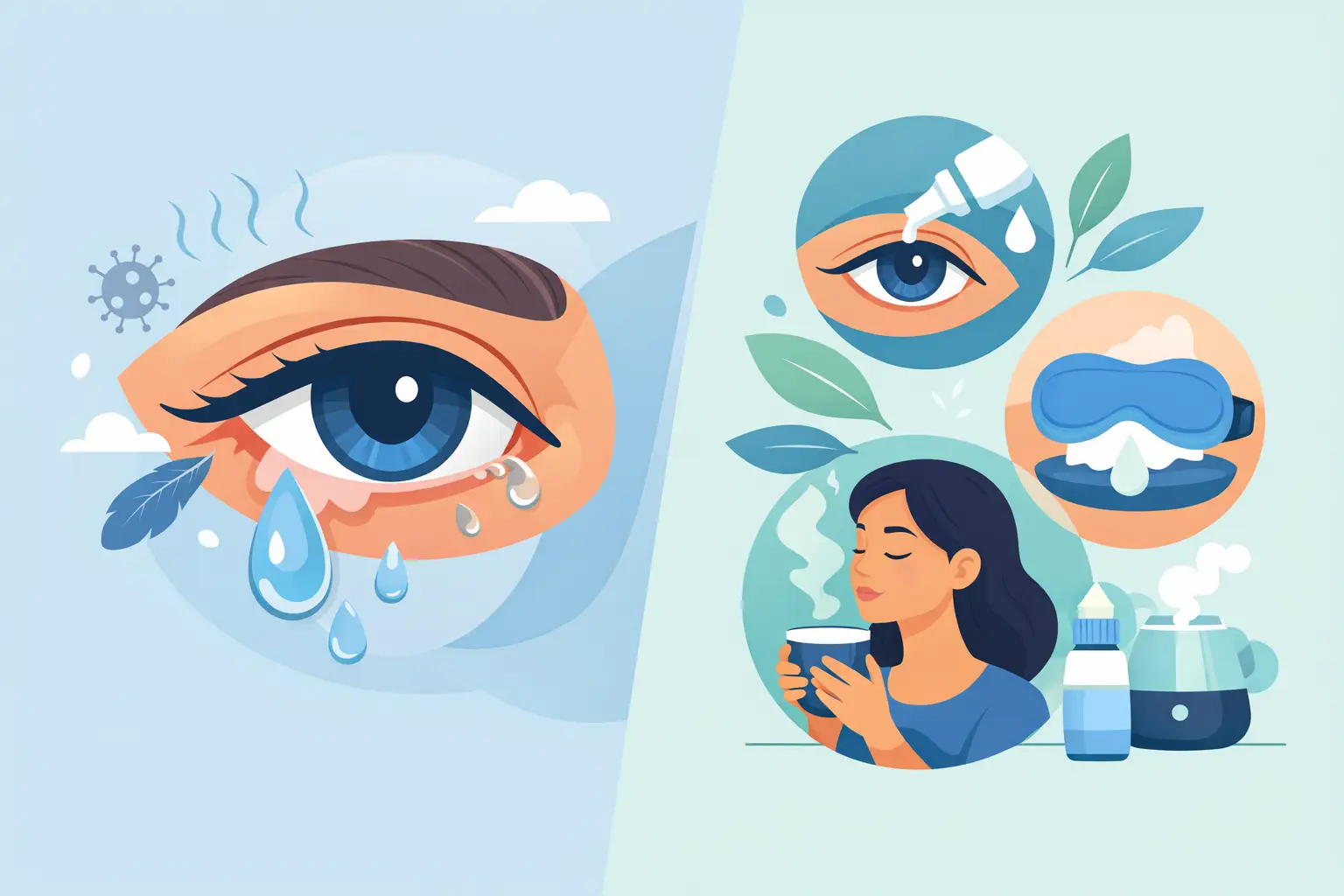
That last symptom surprises people most. When the eyes are irritated, they can produce reflex tears. These tears may overflow, but they do not do a good job of keeping the eye surface comfortable and stable. So yes, watery eyes can still be part of dry eye.
Symptoms also overlap with allergies, contact lens discomfort, eyelid irritation, and other eye surface problems. That is why diagnosis should go beyond a quick conversation at the front desk or a trial-and-error approach at the pharmacy.
A practical guide to dry eye diagnosis
A good dry eye evaluation usually begins with your story. Your optometrist will ask when symptoms happen, what seems to trigger them, and how long they have been going on. Small details matter here. Eyes that worsen late in the day may suggest tear evaporation. Discomfort with contact lenses, symptoms during computer use, or trouble in air-conditioned spaces can also offer important clues.
Your health history matters too. Medications, hormonal changes, autoimmune conditions, past eye surgery, seasonal allergies, and skin conditions such as rosacea can all affect tear quality and eye comfort. Even sleep habits and whether your eyes close fully at night can play a role.
From there, the exam focuses on the surface of the eye, the tear film, and the eyelids. This is where dry eye diagnosis becomes much more precise. Rather than labeling every case the same way, your optometrist is looking for patterns.
Looking at tear quality and tear stability
Healthy tears are more complex than most people realize. They need the right balance of water, oils, and mucus to stay smooth and protective. If one part of that system is off, the tear film can break up too quickly and leave the eye exposed.
During the exam, your optometrist may assess how stable your tear film is and how long it lasts before dry spots appear. If tears break apart too quickly, that points toward instability, which is often linked to evaporative dry eye.
The amount of tear production may also be measured. Some people simply do not make enough tears. Others make an adequate volume, but the tears are poor quality and evaporate too fast. Those are different problems, and they are not treated exactly the same way.
Examining the eyelids and oil glands
For many patients, the eyelids are a major part of the story. Tiny oil glands along the lid margins help prevent tears from evaporating too quickly. When these glands become blocked or stop working well, dryness often follows.
This condition is called meibomian gland dysfunction, and it is one of the most common contributors to dry eye. Your optometrist may look closely at the lid margins, the quality of the oil coming from the glands, and signs of inflammation around the lashes and eyelids.
This matters because dry eye is not always about needing more artificial tears. In many cases, the root issue is poor oil flow, lid inflammation, or both. If that part is missed, relief may be short-lived.
Checking for surface damage and inflammation
Dry eye can irritate the front surface of the eye over time. Special dyes may be used during the exam to highlight dry spots or damaged areas that are not visible otherwise. This helps show how much stress the eye surface is under and where the problem is most active.
Inflammation may also be part of the picture. Some cases are mild and mostly environmental. Others involve a stronger inflammatory cycle that keeps symptoms going. That is one reason two people with “dry eye” can have very different treatment plans.
What can cause dry eye?
There is rarely one single cause. More often, dry eye develops from a combination of factors. Screen use is a common one because we tend to blink less while concentrating. Less blinking means the tear film is not spread evenly, and the oil glands are not being expressed as well.
Age can also play a role, especially as tear production changes over time. Hormonal shifts, certain medications, and medical conditions can contribute too. Contact lens wear, smoke exposure, wind, dry indoor air, and long hours in heated or air-conditioned environments can make symptoms worse.
Then there are the eyelids themselves. If the lids are inflamed, if the glands are blocked, or if the eyes do not close well during sleep, the surface of the eye may never get the protection it needs.
This is where diagnosis becomes especially helpful. If your symptoms mainly stem from gland dysfunction, treatment may focus on lid care and improving oil flow. If low tear production is a larger issue, the plan may need a different approach. If inflammation is driving the discomfort, that needs attention too.
What to expect during a dry eye evaluation
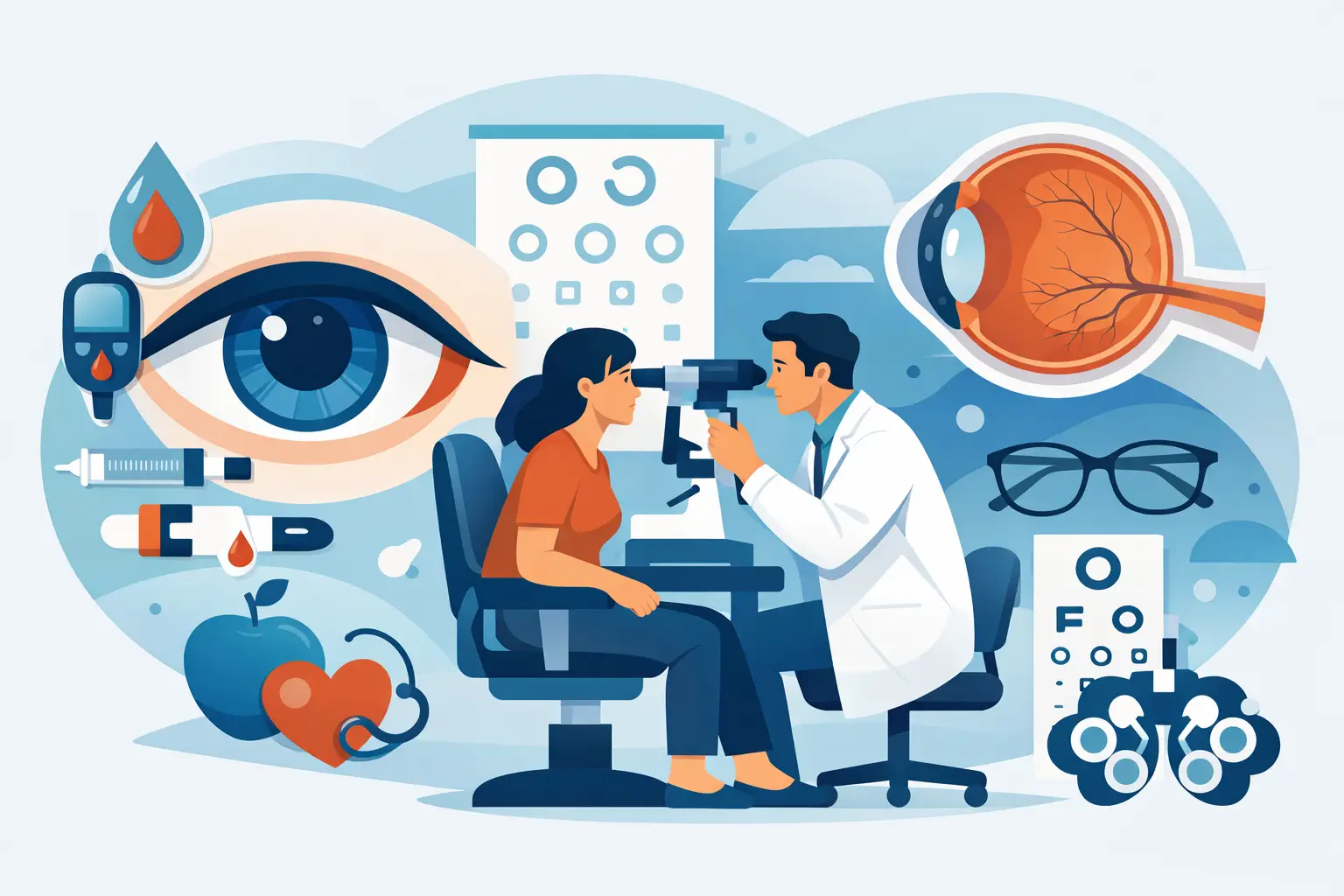
Most patients are relieved to learn that dry eye testing is straightforward and comfortable. A comprehensive visit is not about rushing to a prescription. It is about understanding what your eyes are dealing with and building a plan that fits your daily life.
You can expect questions about symptoms, work habits, screen use, general health, medications, and previous eye concerns. The exam itself may include a close look at the eyelids, tear film, cornea, and conjunctiva. Depending on findings, your optometrist may also assess tear quantity, tear breakup time, and ocular surface staining.
Just as important, the results are interpreted in context. A parent juggling long workdays and evening screen time may need a different plan than a senior managing medication-related dryness, even if both describe burning eyes. Good care is personal.
Why self-diagnosis often falls short
Artificial tears can absolutely help, but they do not answer the bigger question of why your eyes are uncomfortable. Some over-the-counter products work better for aqueous deficiency, while others are more helpful when tear evaporation is the issue. Preservatives can also matter, especially if drops are being used often.
There is also the risk of treating the wrong problem. Redness and irritation are not always dry eye. Infection, allergy, eyelid conditions, and corneal problems can look similar at first. If symptoms are persistent, worsening, or affecting vision, it is worth getting a clear answer rather than guessing.
A reliable guide to dry eye diagnosis is really about replacing assumptions with specifics. Once the type and cause are clearer, treatment becomes more targeted and usually more effective.
When it is time to book an exam
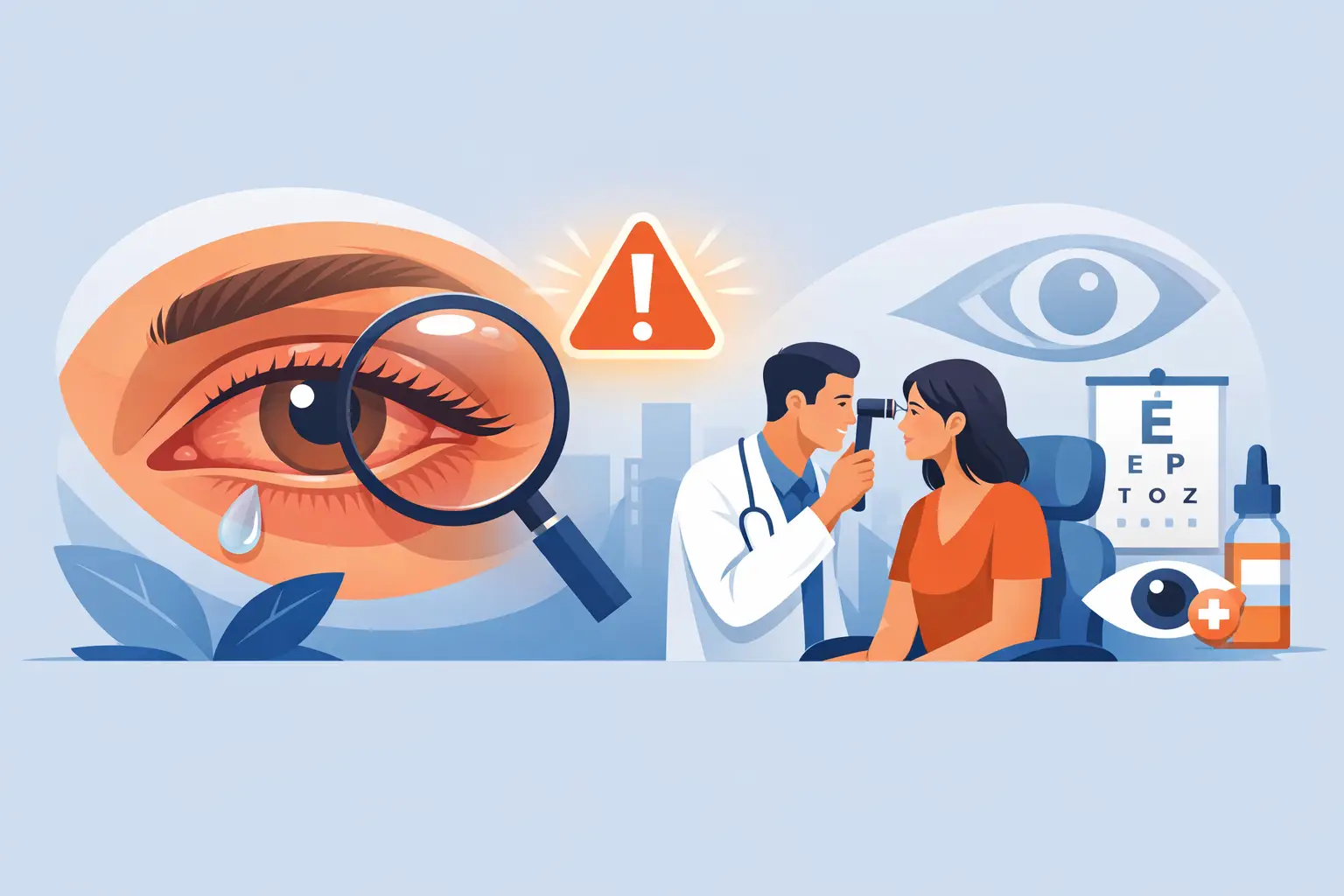
If your eyes often burn, sting, water, feel gritty, or blur during reading and screen use, it is a good time to have them checked. The same goes for contact lens discomfort, light sensitivity, or the feeling that your eyes are always tired no matter how much rest you get.
Dry eye is common, but it is not something you simply have to put up with. In a clinic focused on personalized care, like 4 Eyes Optometry, diagnosis is the first step toward real relief – not just temporary coping.
You know your eyes better than anyone. If they have been asking for help, listening early can make everyday comfort a lot easier to get back.