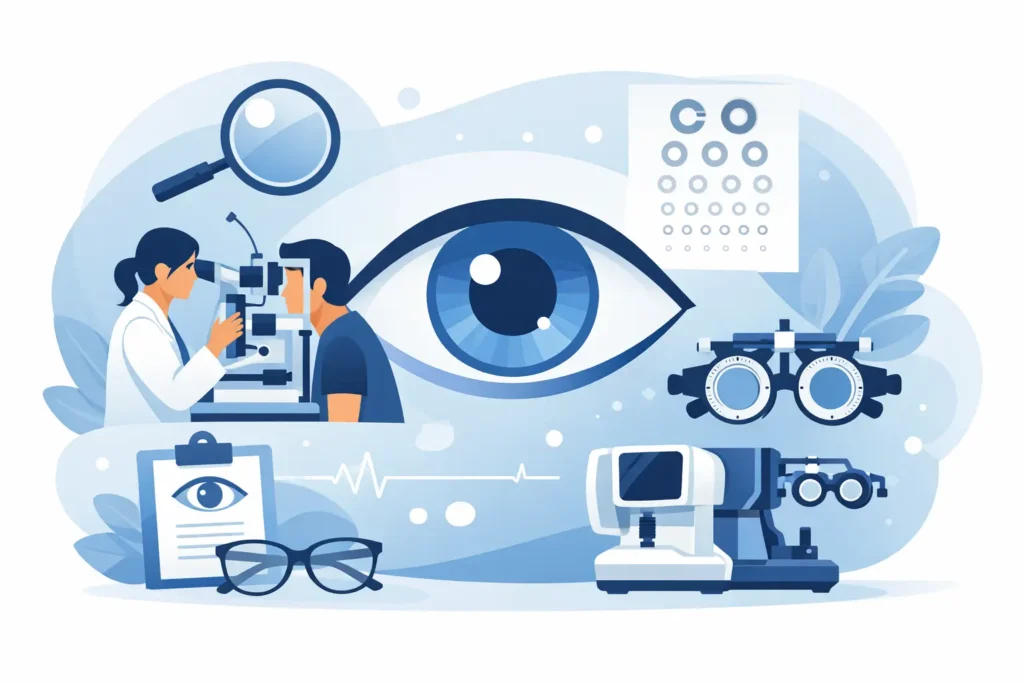
A quick vision screening can tell you whether you might need glasses. The best comprehensive eye exam does much more than that. It gives you a fuller picture of how your eyes are functioning today, what might be changing over time, and what kind of care makes sense for your life, your age, and your health.
That difference matters more than many people realize. Plenty of eye problems start quietly. You may not notice early glaucoma, retinal changes, dry eye disease, or small shifts in focusing and eye teaming right away. A thorough exam is designed to catch those details early, often before they begin to affect daily life.
What makes the best comprehensive eye exam different?
The best comprehensive eye exam is not just about reading letters across the room. It is a medical and functional evaluation of your vision and eye health. That means your prescription is only one part of the visit.
A truly complete exam looks at how clearly you see, how well your eyes work together, how your eyes focus, and whether there are signs of disease or strain. It also considers the bigger picture – your symptoms, your medical history, your medications, your work habits, your screen time, and your family history.
That is why two people with the same blurry vision may leave with very different recommendations. One person may need glasses. Another may need dry eye treatment, specialty lenses, follow-up testing, or a closer look at an underlying health issue.
What should be included in a comprehensive eye exam?
A good exam is thorough, but it should still feel organized and comfortable. You should know what is being checked and why it matters.
A review of your health and symptoms
Your exam should start with a conversation, not a machine. If your eyes feel dry at the end of the day, if night driving has become harder, if your child squints at books, or if headaches are becoming more frequent, those details help shape the exam.
Medical history matters too. Diabetes, high blood pressure, autoimmune conditions, migraines, and some medications can all affect eye health. Family history can also raise the need for closer monitoring, especially for conditions like glaucoma or macular degeneration.
A clear measurement of your vision
Yes, your prescription matters. But the goal is not simply to update numbers. It is to understand how you see in real life.
That includes distance vision, near vision, and often how your eyes respond to tasks such as reading, computer use, or driving. For some patients, especially adults over 40, changes in near focus can become a major part of the conversation.
Eye coordination and focusing
Blurred vision is not always a prescription problem. Sometimes the issue is how the eyes work together or how they shift focus between tasks.
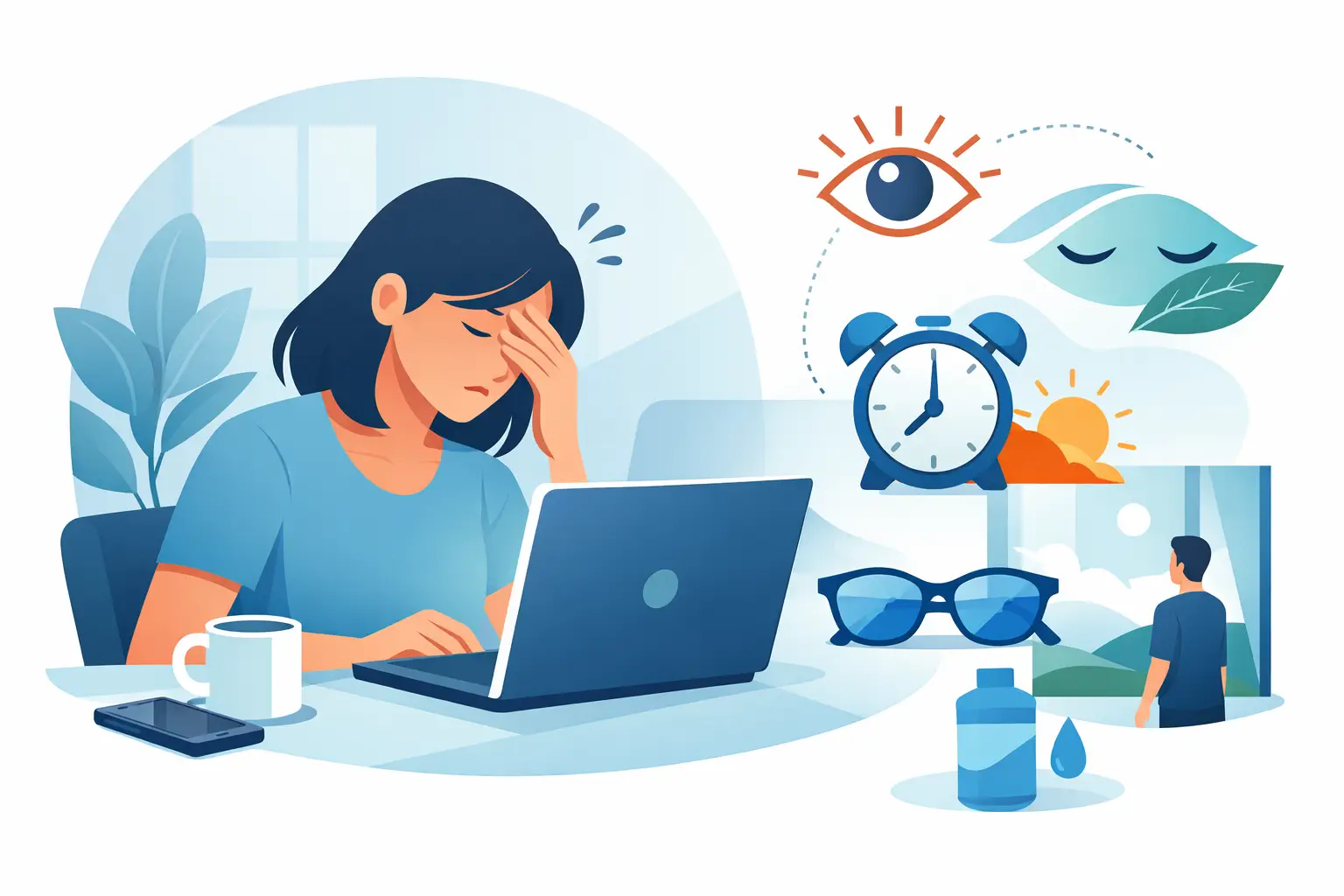
This can be especially relevant for children in school, adults who spend long hours on screens, and anyone dealing with eye strain, fatigue, or headaches. If these areas are skipped, patients can walk away with glasses that do not fully solve the problem.
Eye health evaluation
This is one of the most valuable parts of the visit. Your optometrist examines the front and back of the eyes for signs of disease, inflammation, damage, or changes that need monitoring.
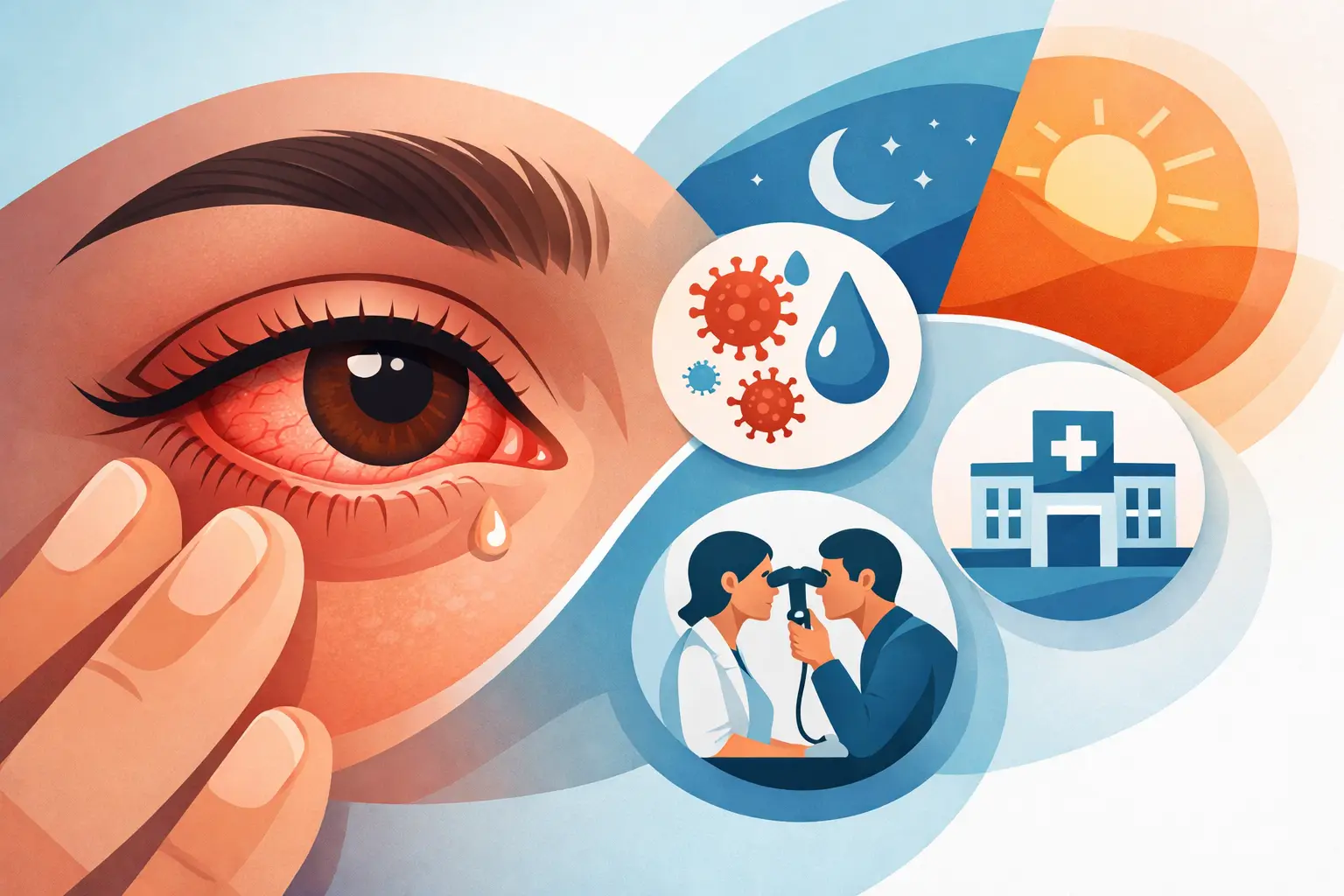
A comprehensive eye health check can help detect cataracts, glaucoma concerns, retinal issues, diabetic eye changes, macular degeneration, and more. In many cases, these conditions do not cause obvious symptoms at first.
The best comprehensive eye exam is also personalized
A thorough exam should never feel one-size-fits-all. The right care for a child is different from the right care for a senior. A contact lens wearer has different needs than someone who only wants glasses for reading. A patient with dry, irritated eyes needs more than a quick prescription update.
Personalization is often what separates an average appointment from a genuinely helpful one. You should leave understanding not just what your eyes are doing, but what to do next.
That might mean updated lenses, treatment for dryness, advice on screen habits, referrals for surgery co-management, or a schedule for monitoring age-related changes. It depends on what the exam finds and what matters most in your day-to-day life.
How to choose the best comprehensive eye exam provider
If you are comparing clinics, the best choice is not always the fastest appointment or the cheapest advertised special. Eye care has a relationship piece to it. When a clinic knows your history and tracks changes over time, care becomes more proactive and more useful.
Look for a practice that offers full-scope care rather than only basic vision checks. That usually means they can support you with routine exams, medical eye concerns, dry eye care, children’s eye care, contact lenses, and age-related eye health needs.
It also helps to choose a clinic that explains findings clearly. Patients should not feel rushed through technical language or left guessing whether something is serious. Good eye care feels professional and reassuring at the same time.
Signs you are getting high-quality care
A strong exam experience often includes enough time for questions, recommendations that feel specific to your needs, and a plan that makes sense for your age and lifestyle. It should also feel calm. Thorough does not have to mean stressful.
For families, convenience matters too. Being able to bring children, adults, and seniors to one trusted clinic makes ongoing care much easier to keep up with. That continuity is valuable because eye health is not static. It changes with growth, work, health conditions, and age.
Why a prescription check alone is not enough
Many people assume that if they can order glasses or contacts somewhere quickly, they are covered. But a prescription update and a comprehensive eye exam are not the same thing.
A prescription check focuses on whether lenses can sharpen your vision. A comprehensive exam looks at why your vision may be changing and whether your eye health is stable. That distinction matters.
If your eyes are dry, if your prescription keeps shifting, if your child is struggling with reading, or if you are noticing floaters, glare, or tired eyes, a more complete evaluation is the better option. Even if everything feels normal, routine full exams are one of the best ways to catch problems early.
When the best comprehensive eye exam matters most
The short answer is always, but there are some seasons of life when it becomes especially important.
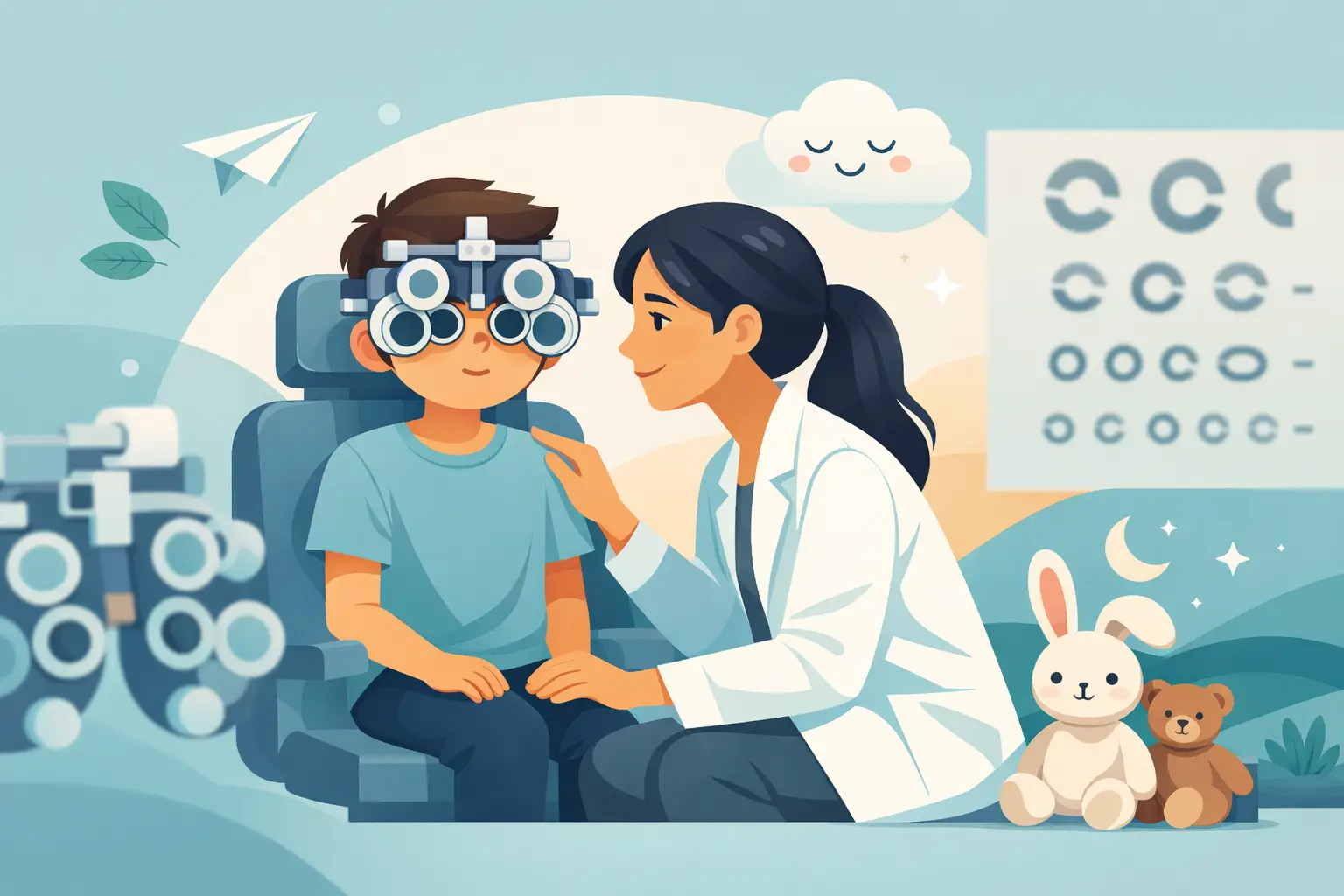
Children need eye exams that go beyond a school screening because learning, tracking, focus, and visual development all play a role in school and confidence. Adults often benefit from comprehensive care when screen use, headaches, contact lens wear, or dry eye symptoms become part of daily life. Seniors need ongoing monitoring because age-related conditions become more common over time.
There are also moments when you should not wait for your next routine visit. Sudden blur, flashes of light, new floaters, eye pain, redness, or a noticeable change in vision should be assessed promptly.
Best comprehensive eye exam expectations for your visit
A great appointment should feel detailed without feeling overwhelming. You should know what is being examined, what was found, and whether anything needs treatment, monitoring, or follow-up.
You should also feel comfortable bringing up concerns that may seem minor. Dryness, watery eyes, trouble with small print, eyestrain after computer work, or discomfort with contact lenses are all worth discussing. These issues can affect quality of life more than people expect, and they often have solutions.
At a patient-centered clinic, the goal is not to hand you a prescription and send you on your way. It is to help you see clearly, protect long-term eye health, and feel cared for in the process. That is the kind of thoughtful, relationship-based approach families in West Kelowna often appreciate at 4 Eyes Optometry.
The best comprehensive eye exam leaves you with more than sharper vision. It gives you clarity about your eye health, confidence in your care, and a plan that fits your life.