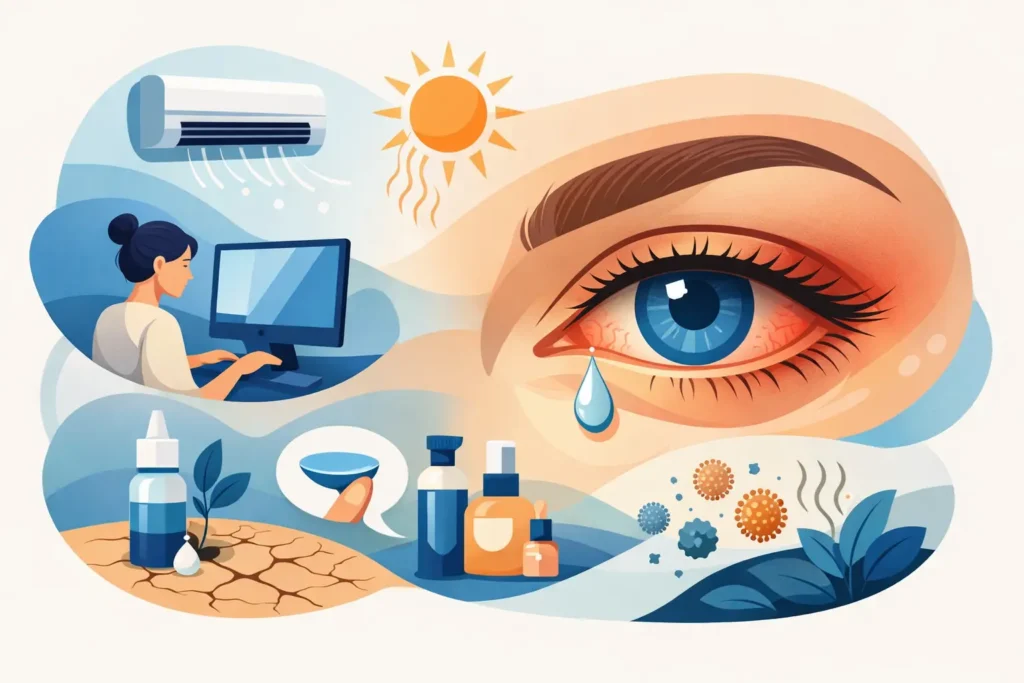
Your eyes can feel tired, gritty, watery, and irritated all at once – and that mix of symptoms often leaves people wondering what causes dry eyes in the first place. Dry eye is common, but it is not always simple. Sometimes the issue is that your eyes do not make enough tears. Sometimes the tears evaporate too quickly. In many cases, both are happening at the same time.
That is why dry eye can show up differently from person to person. For one person, it feels like burning at the end of the workday. For another, it is blurry vision while reading or using a phone. Some people are surprised to learn that excessive tearing can also be part of dry eye, because irritated eyes may overproduce poor-quality tears that do not really soothe the surface.
What causes dry eyes most often?
Healthy tears do more than add moisture. They help keep the eye surface smooth, clear, and comfortable. Your tear film has several layers, including oily, watery, and mucus components, and each part matters. When one layer is missing or out of balance, dryness can start.
One of the most common answers to what causes dry eyes is tear instability. In plain terms, your tears are not staying on the eye long enough to do their job. This often happens when the oil-producing glands in the eyelids, called meibomian glands, are not working well. Without enough oil, tears evaporate too fast.
Another common cause is reduced tear production. This becomes more likely with age, but it can also be related to medications, hormonal changes, or certain health conditions. Dry eye is not a single problem with a single fix. It is a condition with several possible drivers, which is why lasting relief usually starts with figuring out the underlying cause.
Everyday habits that can make eyes dry
Modern life does not do our eyes many favors. Screen time is a major trigger because we tend to blink less when we focus on computers, phones, and tablets. Fewer blinks mean tears spread less effectively across the eye surface, and that can leave eyes feeling dry, strained, or blurry.
Indoor environments also play a role. Heat, air conditioning, fans, and dry climates can increase tear evaporation. If air is moving across your face all day, your eyes may never get a good chance to stay comfortably lubricated. Even car vents aimed upward can make symptoms worse.
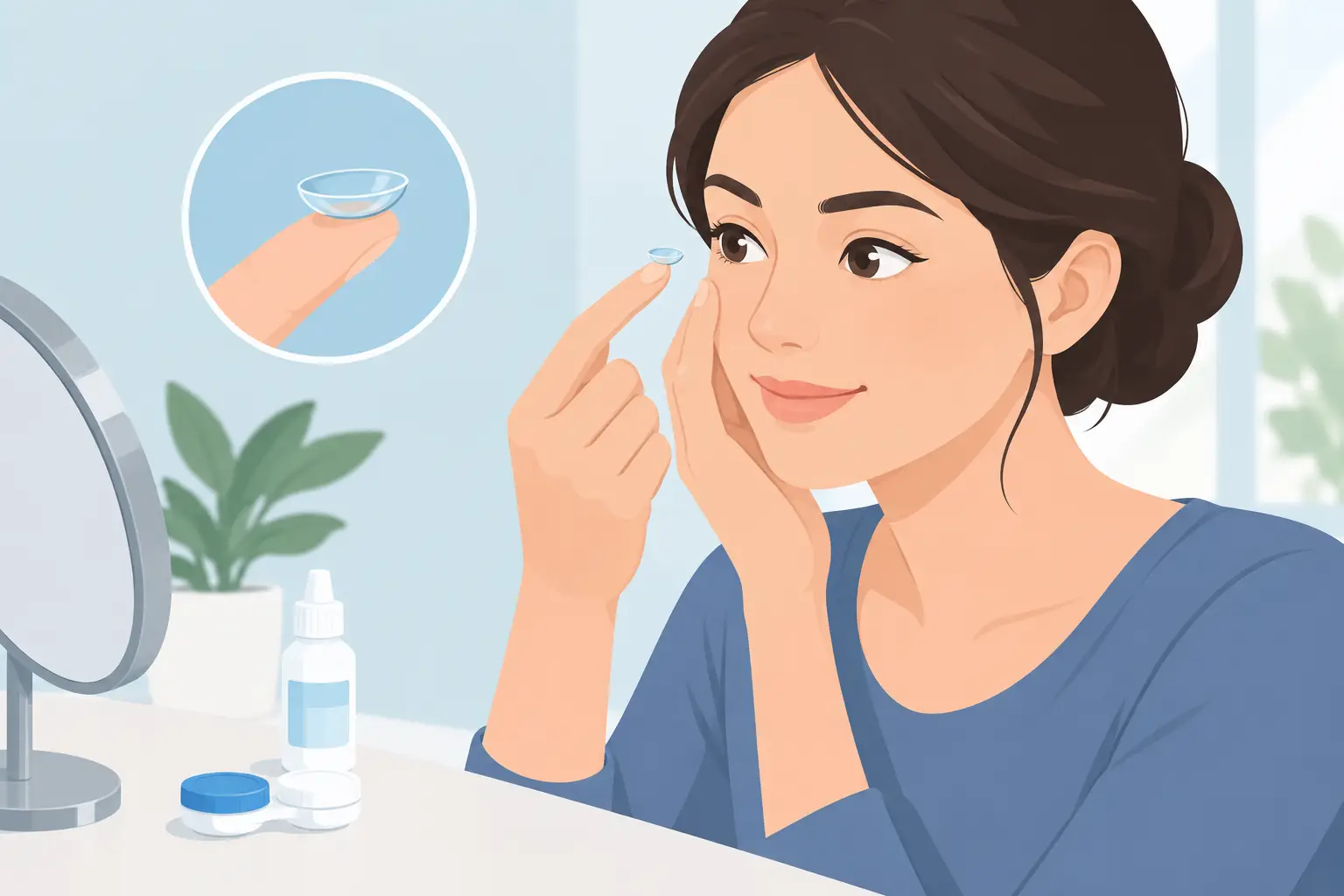
Contact lenses can contribute too, especially if the fit is not ideal, the material is not a good match for your eyes, or you already have mild dry eye that has gone unnoticed. Some people do well with contacts for years and then slowly become less comfortable. That does not always mean they need to give them up, but it does mean the dryness deserves attention.
Lack of sleep, dehydration, and inconsistent eyelid hygiene can also add up. None of these causes dry eye in every case, but together they can push sensitive eyes over the edge.
Age, hormones, and what causes dry eyes over time
Dry eye becomes more common as we get older. Tear production can decrease with age, and the quality of the tear film may change as well. Eyelid glands may become less effective, which leads to faster evaporation and more irritation.
Hormonal changes are another important factor. Many women notice dry eye symptoms during pregnancy, menopause, or other times of hormonal fluctuation. That does not mean men are unaffected, but hormone shifts are a well-recognized reason symptoms can appear or worsen.
This is one of those situations where it depends on the individual. Some people have clear dryness on testing but only mild symptoms. Others feel significant discomfort early on. The eye surface, eyelids, overall health, and daily routine all influence how dry eye shows up.
Medical conditions and medications
Certain health conditions can affect tear production or eye surface health. Autoimmune diseases are a well-known example, particularly conditions that affect moisture-producing glands. Diabetes, thyroid disease, rosacea, and chronic eyelid inflammation can also be associated with dry eye.
Allergies can complicate the picture. Itchy, irritated eyes may seem like a separate issue, but allergy-related inflammation can worsen dryness. To make things trickier, some allergy medications may reduce tear production and leave eyes feeling drier.
Many common medications can contribute as well. Antihistamines, some antidepressants, decongestants, blood pressure medications, acne treatments, and certain sleep aids are all possible examples. That does not mean you should stop a medication on your own. It simply means dry eye symptoms should be looked at in context, especially if they started after a new prescription or routine change.
Eye surgery and some medical treatments can temporarily affect the tear film too. For many people this improves over time, but it is still worth monitoring if symptoms linger.
When the eyelids are part of the problem
Dry eye is often thought of as a tear problem, but the eyelids are frequently involved. If the meibomian glands along the eyelid margins become blocked or inflamed, the oily layer of the tear film becomes weaker. That leads to evaporation, irritation, and fluctuating vision.
Blepharitis, which is inflammation around the eyelids and lashes, is another common contributor. It can cause redness, crusting, irritation, and a feeling that the eyes are never quite comfortable. In children and adults alike, eyelid health can have a real impact on tear quality.
This matters because treatment is not one-size-fits-all. If eyelid gland dysfunction is the main issue, artificial tears alone may not solve it. Warm compresses, lid care, in-office treatment options, or changes in your routine may be more helpful than simply adding more drops.
Why dry eyes can cause watery eyes and blurry vision
This is one of the most confusing parts of dry eye. Many people assume that if their eyes water, dryness cannot be the problem. In reality, irritated eyes may produce reflex tears as a response to surface stress. These tears tend to be poor quality and do not stay on the eye long enough to provide lasting comfort.
Blurry vision is also common, especially if it comes and goes during reading, driving, or screen use. When the tear film is unstable, the front surface of the eye becomes less smooth. That can affect visual clarity, even if your glasses prescription has not changed much.
If your vision clears briefly after blinking, that is another clue the tear film may be involved.
When should you get dry eyes checked?
Occasional dryness after a long day is not unusual. But if symptoms keep coming back, start interfering with work or driving, or make contact lenses hard to wear, it is worth booking an exam. The same goes for burning, redness, light sensitivity, stringy mucus, or the feeling that something is stuck in your eye.
Dry eye can range from mild and annoying to persistent and medically significant. Left untreated, ongoing inflammation can make the eye surface less healthy and harder to manage over time. Early care is often simpler and more effective than waiting until symptoms become constant.
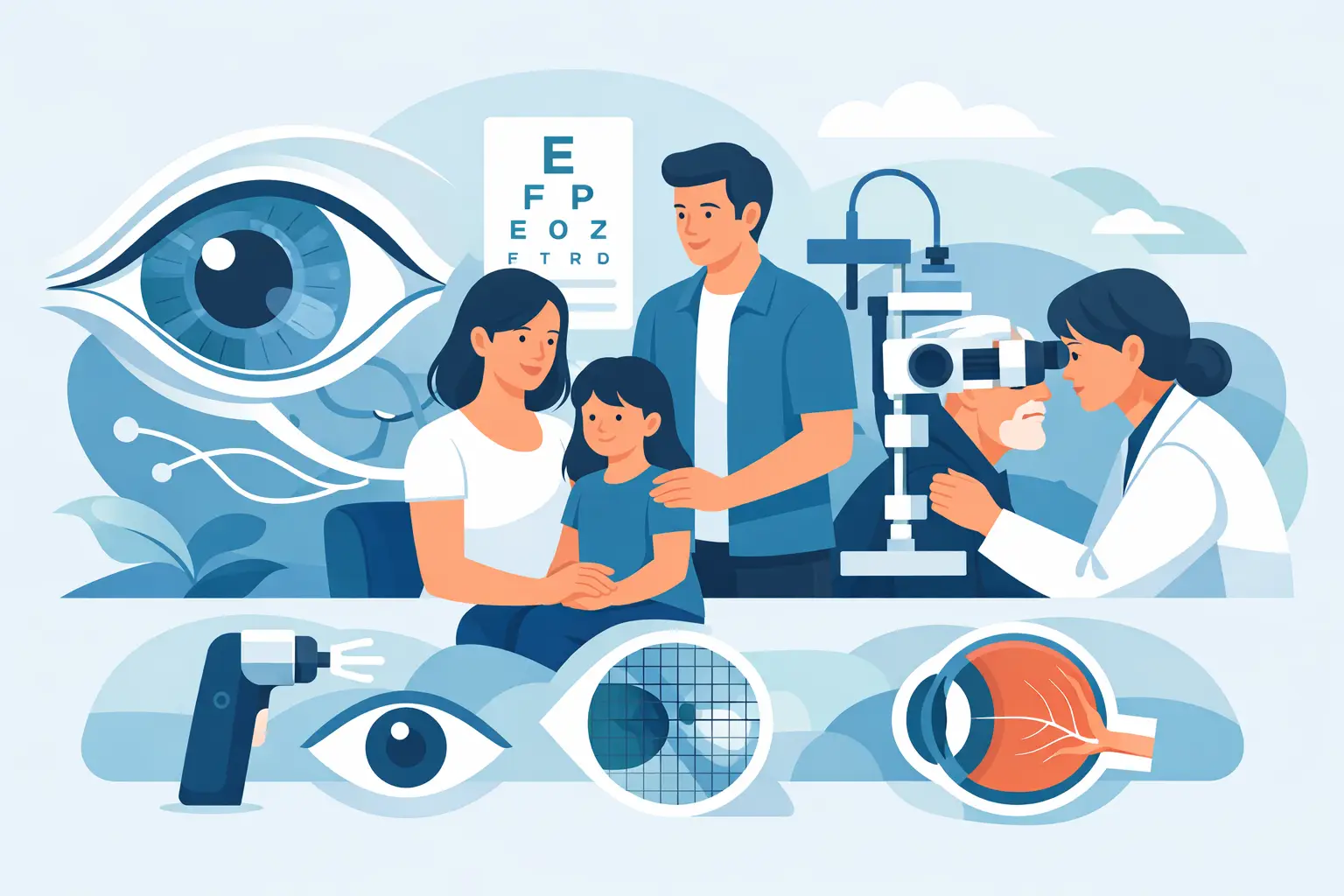
A proper evaluation helps sort out what is actually driving the problem. At 4 Eyes Optometry, that means looking beyond the symptom of dryness to the quality of the tears, the condition of the eyelids, and any health or lifestyle factors that may be contributing.
What helps depends on what causes dry eyes
This is where a personalized approach really matters. Some people do well with preservative-free artificial tears and a few routine changes. Others need treatment focused on the eyelids, better screen habits, medication review, nutritional support, or targeted dry eye management.
There can be some trial and adjustment involved. A product that helps one person may do very little for another, especially if the root cause is different. The goal is not just short-term comfort. It is improving the health and stability of the eye surface so your eyes feel better day to day.
If your eyes have been bothering you for weeks or months, you do not need to guess your way through it. Dry eye is common, but common does not mean you should simply put up with it. A thoughtful exam can often explain the why behind the symptoms, and that is usually the first real step toward relief.
Comfortable eyes make everyday life easier – from reading and driving to school pickup and screen time at work. If something feels off, trust that feeling and get it checked.