You squint at a text message, hold a menu farther away, or feel oddly tired after a day on the computer. Those small frustrations are often the first signs you need new glasses. Vision changes can happen gradually, which is why many people adapt without realizing how much extra work their eyes are doing.
A lot of patients assume they only need to update their glasses when vision becomes obviously blurry. In reality, the clues can be more subtle. Your prescription may have shifted, your lenses may no longer match how you use your eyes day to day, or an eye health issue may be affecting how well you see. A comprehensive eye exam helps sort out the difference.
Common signs you need new glasses
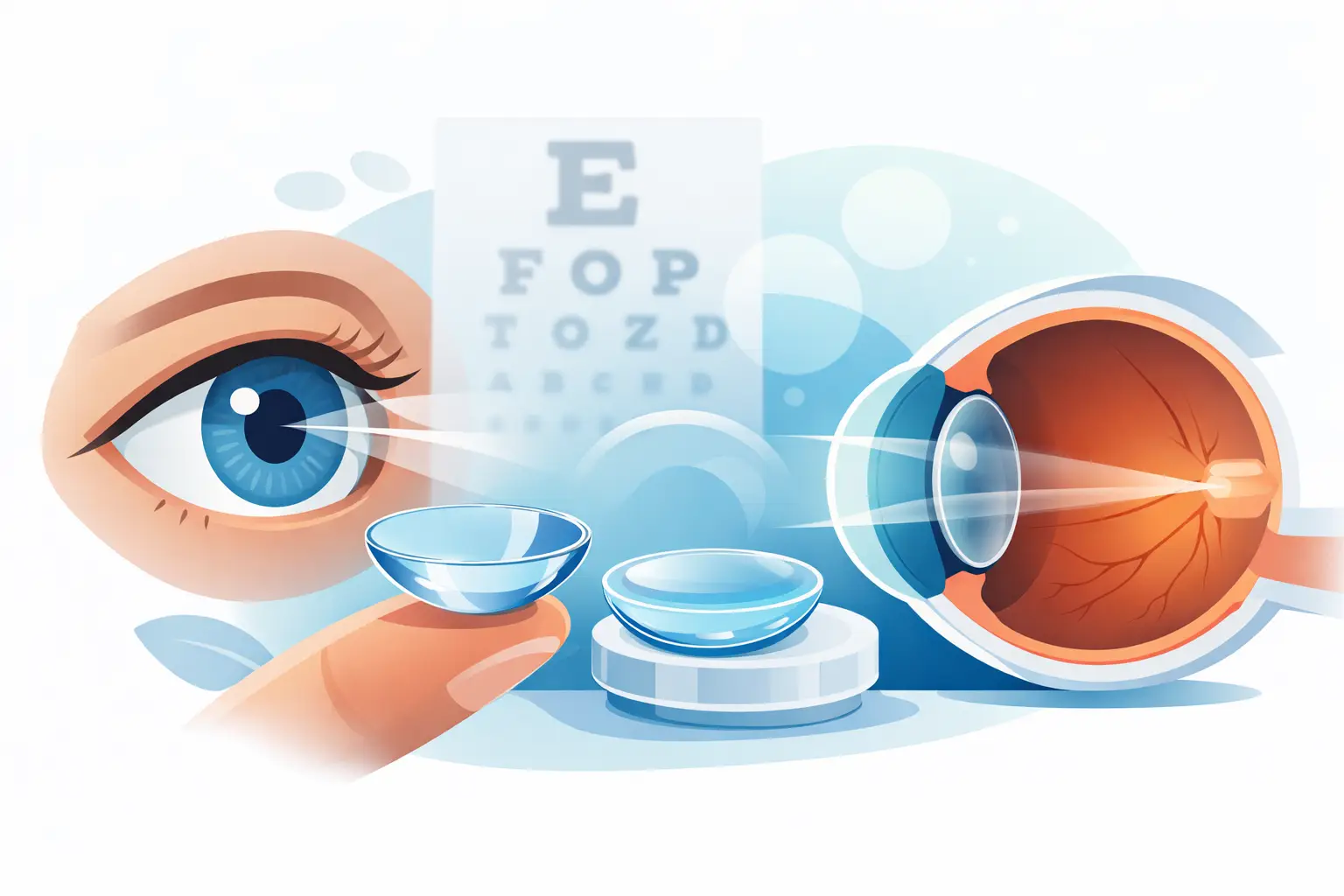
Blurred vision is the most obvious place to start, but it is not the only one. Some people notice distance vision slipping first, like road signs becoming harder to read or faces looking less sharp across a room. Others find near tasks more frustrating, especially reading labels, using a phone, or doing detailed work.
Headaches are another common clue. If your eyes are straining to keep things clear, the muscles involved in focusing can become overworked. That can leave you with tension around the eyes, forehead, or temples, especially after reading, driving, or screen time. Headaches do not always mean you need glasses, but when they show up alongside visual discomfort, it is worth paying attention.
Frequent squinting also matters. Squinting can temporarily sharpen focus by changing how light enters the eye, which is why people often do it without thinking. If you catch yourself narrowing your eyes to watch TV, read signs, or work on a computer, your current prescription may not be doing enough.
Eye fatigue is another sign people often brush off. At the end of the day, your eyes may feel heavy, sore, or simply tired. Some patients describe this as a hard-to-explain sense that seeing takes more effort than it used to. That extra effort can be a meaningful sign that your glasses need to be updated.
When everyday tasks start feeling harder
Sometimes the strongest signs you need new glasses show up in routines that used to feel easy. Night driving is a big one. If headlights seem harsher, road markings look fuzzier, or it feels harder to judge distance after dark, your prescription may no longer be ideal. Night vision can be affected by small prescription changes that are less noticeable during the day.
Reading can change too. You may find yourself moving a book or phone closer, then farther away, trying to find the sweet spot. For adults over 40, this is especially common because the eye gradually loses some focusing flexibility with age. That does not always mean anything is wrong, but it does mean your glasses may need to change to match your current needs.
You might also notice that switching between distances takes longer. Looking up from a laptop to a person across the room should feel fairly natural. If your vision takes extra time to settle, or if that shift feels uncomfortable, your lenses may no longer be giving you the support you need.
Signs your current glasses are not working well enough
Not every problem means your prescription changed a lot. Sometimes your glasses are simply not serving your lifestyle very well anymore. If you spend more time on screens than you did a few years ago, work in different lighting, or split your day between driving and close work, the right lens design matters.
For example, a person who can technically see well enough may still struggle with comfort. They may have glasses that help at one distance but leave them straining at another. They may need computer-specific support, reading help, or lenses that make transitions between distances smoother. In those cases, the issue is not just whether you can see – it is whether your glasses are helping you see comfortably throughout your real day.
Another clue is that you stop wearing your glasses as much because they feel annoying. Maybe they never seem quite right. Maybe you take them off to read, put them back on to drive, and feel caught in between. That pattern often suggests it is time to revisit your prescription and lens options.
Physical wear can affect vision too
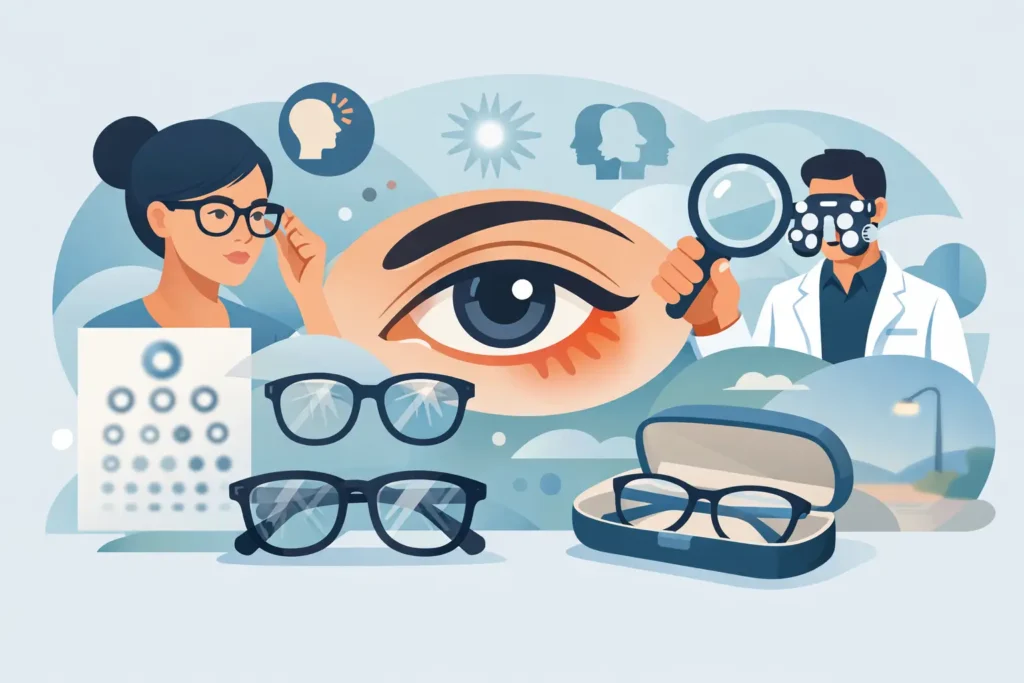
Sometimes the lenses themselves are the problem. Scratches, coating damage, and general wear can reduce clarity even if your prescription is still accurate. If your glasses always seem smudged, catch glare more than they used to, or look cloudy no matter how often you clean them, the material may be breaking down.
Frames matter too. If your glasses slide down your nose, sit crooked, or no longer line up properly with your eyes, vision can feel off even with the right lenses. A poor fit can also cause pressure points behind the ears or on the bridge of the nose, turning something helpful into something you avoid wearing.
This is one reason regular eye care is so helpful. A quick adjustment may solve the problem, but sometimes worn glasses are part of a bigger picture that includes a prescription update.
Changes in children and teens can look different
Kids do not always say, “I think I need new glasses.” More often, changes show up in behavior. A child may sit closer to the TV, lose interest in reading, complain that the board at school looks blurry, or rub their eyes often. Some become frustrated with homework or seem unusually tired after visual tasks.
It can also look like poor attention when the real issue is that seeing clearly takes too much effort. Because children’s eyes can change as they grow, keeping up with exams is an important part of supporting learning and comfort. If a child already wears glasses, sudden complaints or changes in habits should not be ignored.
It is not always just about glasses
One of the most important things to know is that blurred vision, headaches, and eye strain are not always solved with a stronger prescription. Dry eye, eye teaming problems, cataracts, and other eye health concerns can create symptoms that feel a lot like a glasses issue.
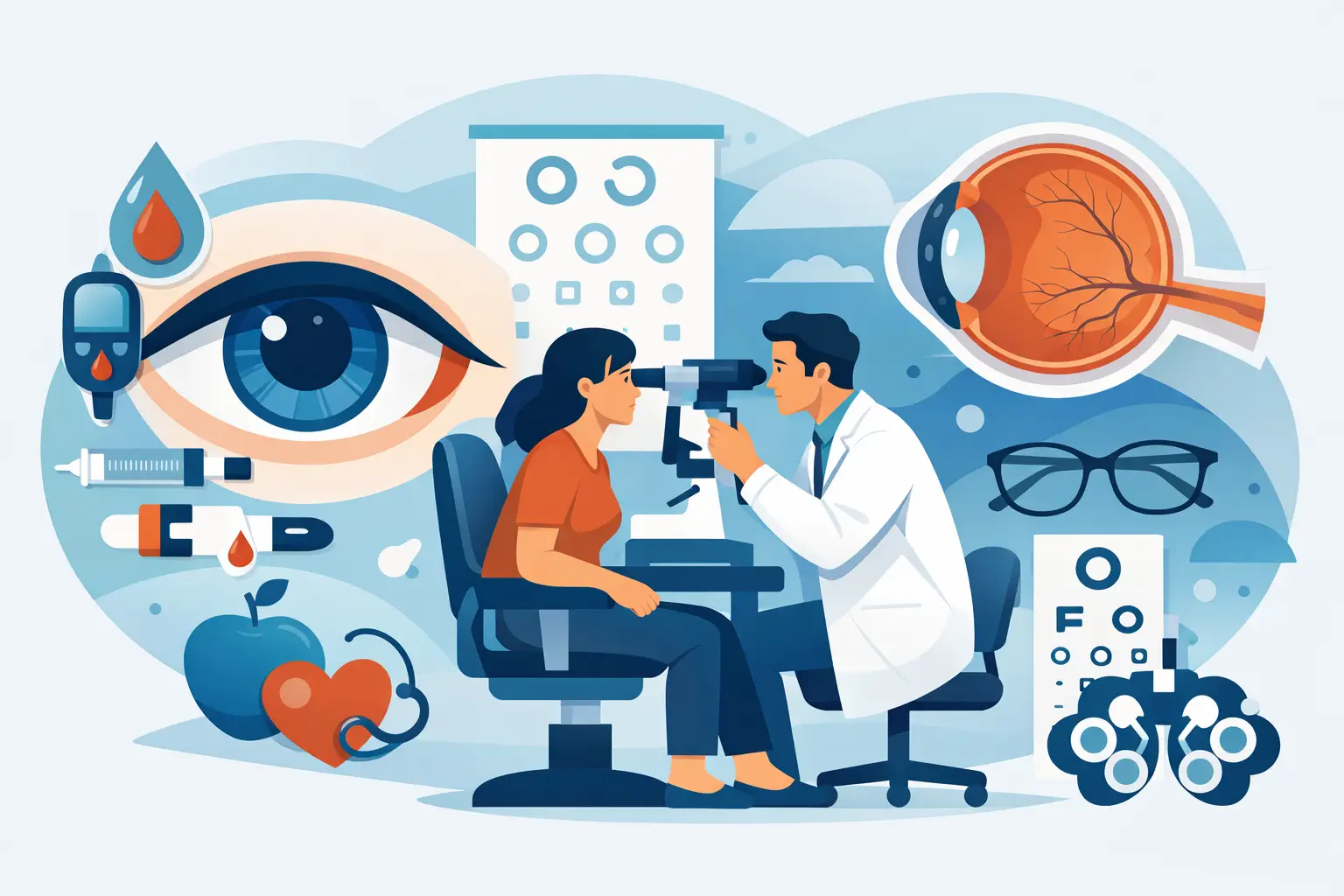
That is why guessing can backfire. Buying over-the-counter readers or pushing through symptoms may seem easier in the short term, but it can delay the right care. An eye exam does more than check whether letters on a chart are clearer with lens one or lens two. It helps identify why your vision feels different and what solution actually fits.
How often should you get your eyes checked?
It depends on your age, health, and visual needs, but waiting until things feel noticeably bad is not the best plan. Many prescription changes happen slowly, and many eye conditions develop with few early warning signs. Regular exams make it easier to catch small shifts before they start affecting work, school, driving, or daily comfort.
If you already wear glasses, a good rule of thumb is to book sooner if something feels off. You do not need to wait for your current pair to become completely unusable. Clear, comfortable vision supports more than convenience – it affects energy, safety, and how easy the day feels.
At 4 Eyes Optometry, that conversation is meant to feel personal, not rushed. The goal is not just to hand you a new prescription. It is to understand what has changed, how you use your eyes, and what will help you feel comfortable and confident in your everyday life.
When to book an appointment sooner rather than later
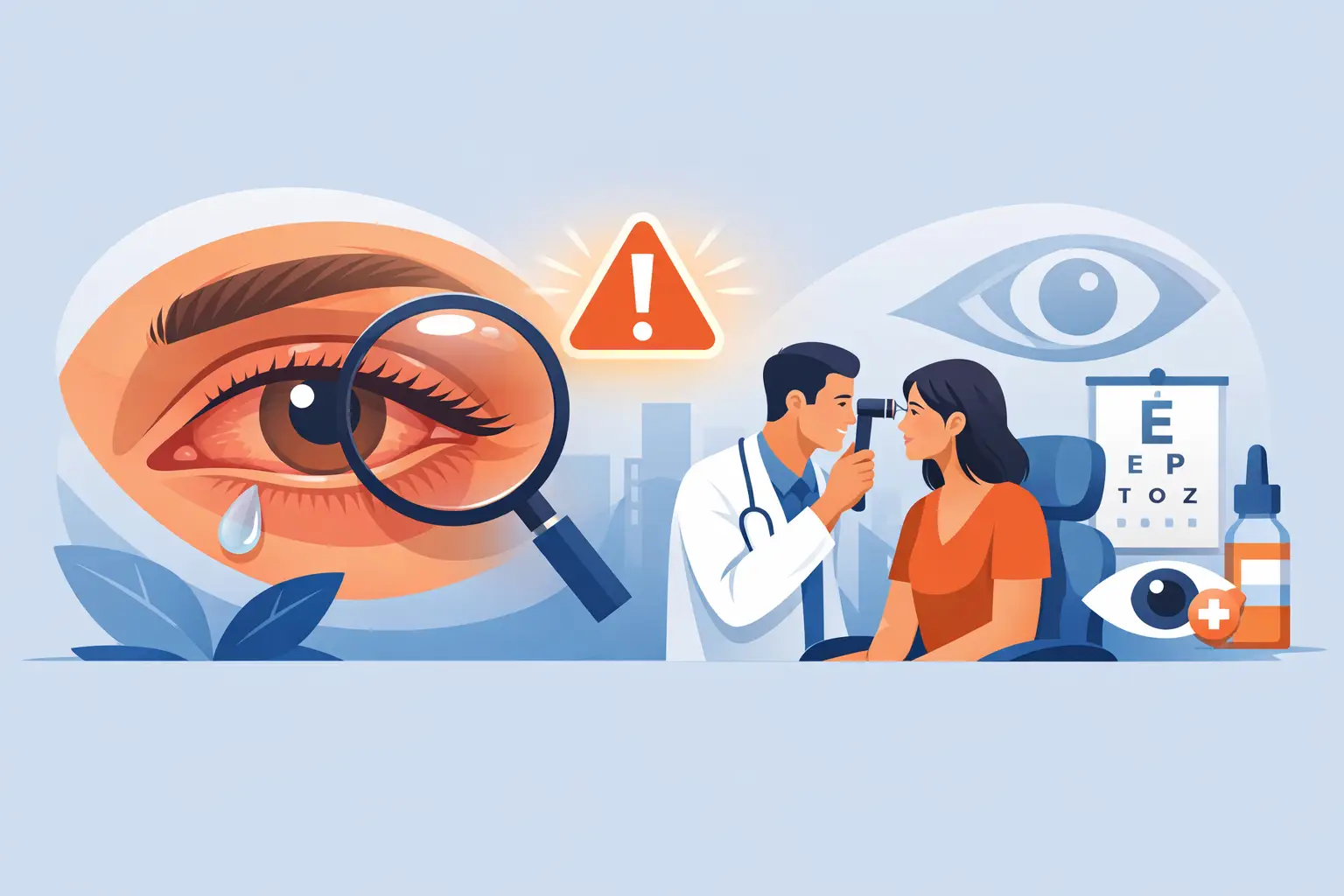
If your vision changes suddenly, if you see flashes or new floaters, if one eye seems much blurrier than the other, or if you have pain or redness, do not assume it is time for new glasses and leave it at that. Those symptoms deserve prompt medical attention.
For more gradual issues like squinting, fatigue, blurry reading, or headaches after screen use, scheduling a comprehensive exam is a smart next step. Often, the answer is straightforward. Sometimes it is a small prescription update, and sometimes it is a different lens style or treatment for another issue affecting comfort.
Clear vision should not feel like a struggle you just work around. If your glasses are no longer keeping up with your life, a fresh look at your eyes can make everyday tasks feel easy again.